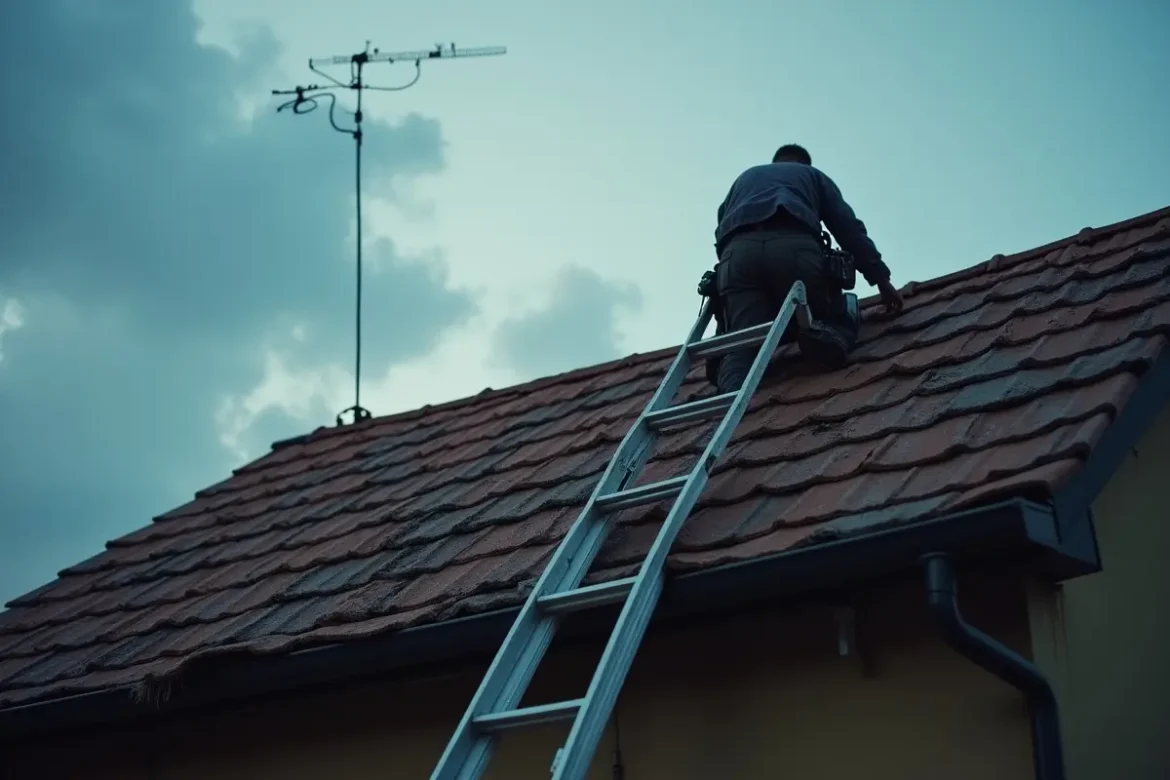
For North Little Rock homeowners, deciding whether to repair or replace a roof often starts with a visible concern, such as a missing shingle, a ceiling stain, or a leak after heavy rain. A closer look at residential roofing can help clarify that the right choice depends on the condition of the entire roofing system, not simply the most noticeable problem.
Roof problems can develop gradually or appear suddenly after strong winds and storms. Water entering through a small opening may, over time, affect insulation, roof decking, ceilings, or wall materials, so documenting the issue early can make it easier to compare repair and replacement options.
A full replacement is not automatically necessary because a roof has one damaged area. Likewise, a patch is not always the economical choice when the surrounding materials are worn or repeated leaks have already occurred. The most useful decision comes from identifying the cause, the extent of the damage, and the roof’s overall condition.
North Little Rock homes experience changing weather conditions throughout the year, including heat, rain, wind, and thunderstorms. Those conditions make regular visual checks from the ground especially useful, particularly after a storm or when a home shows new signs of moisture.
When homeowners need help interpreting visible damage or inspection findings, speaking with a qualified roofer can provide a clearer picture of whether a targeted repair is likely to last. For more information about residential roofing options, visit the residential roofing services page.
Why the Choice Matters
A roof works as a system. Shingles or other exterior materials shed water, while flashing, underlayment, vents, valleys, gutters, and decking each play a role in moving water away from the home. A problem at a vent boot or flashing joint may be isolated. Damage that reaches the decking or appears on several roof slopes may require a broader solution.
Before agreeing to major work, homeowners should ask for evidence. Photos, written findings, and a plain-language explanation of where moisture is entering can make the choice less stressful and reduce the chance of paying for work that does not address the actual cause.
Early Warning Signs to Watch
Many roof concerns are visible without climbing a ladder. Look from the ground for missing, cracked, curled, lifted, or uneven shingles; damaged flashing; loose gutters; and branches resting on the roof. Granules collecting in gutters can also be worth noting on an asphalt-shingle roof, especially when the overall condition of the roof’s surface wear.
Inside the home, check ceilings, upper walls, and attic spaces for fresh stains, damp insulation, musty odors, daylight through the roof deck, or wet wood. Sagging roof lines, soft areas, and active drips deserve prompt attention. Avoid walking on a roof, particularly after rain or wind, because wet or damaged surfaces can be unsafe.
When a Repair May Make Sense
A focused repair can be practical when damage is limited, and the rest of the roof remains sound. Examples include one damaged vent boot, a small area of wind-lifted shingles, localized flashing issues, or a leak associated with a known, repairable detail.
Signs a Targeted Repair May Be Reasonable
- The affected area is small and clearly identified.
- Nearby roofing materials remain secure, flat, and in good condition.
- The decking and underlayment show no evidence of widespread moisture damage.
- Previous repairs have held up without recurring leaks.
- Replacement materials can be integrated without creating obvious weak points.
When Replacement May Be Better
Replacement becomes more reasonable when repairs would address only one symptom of a larger problem. Widespread cracking, curling, brittleness, bare areas, repeated leaks, or several damaged slopes can indicate that the roof materials are no longer performing consistently.
Other concerns include soft or deteriorated decking, recurring interior water stains, and roofing materials that are difficult to match or properly tie into existing sections. A replacement recommendation should be based on the full roof condition, including the structure beneath the visible surface, rather than on a single loose shingle.
How Roof Age and Materials Affect the Decision
Age is an important clue, but it is not a final answer. Installation quality, drainage, attic ventilation, sun exposure, maintenance, and storm history can all affect how a roof performs. Homeowners can review permits, invoices, warranties, or seller disclosures to help establish when the roof was installed.
Different materials also show wear differently. Asphalt shingles may curl, crack, or lose granules. Metal roofs may develop issues around fasteners, seams, or flashing. Tile can crack or shift, while low-slope systems may show seam, membrane, or drainage concerns.
Quick Comparison
- Repair may fit: One isolated damaged section, one known entry point, and dry, solid decking.
- Replacement may be necessary for multiple leak locations, widespread material wear, or soft and stained structural components.
- More inspection is needed: The leak source is unclear, attic moisture is present, or the visible damage does not match the interior symptoms.
What to Do After Storm Damage
Wait until the threat has passed before checking the property. The National Weather Service advises residents to assess damage only after severe weather has ended and to stay away from damaged buildings and downed power lines. From a safe location, photograph fallen branches, missing materials, damaged gutters, ceiling stains, and any active drips.
Do not enter unstable areas or climb onto the roof to inspect damage. If a temporary cover is needed to limit additional water intrusion, keep receipts and take photos before and after the work. Homeowners should also be cautious about anyone demanding an immediate signature, a large upfront payment, or a quick decision after a storm.
What a Roof Inspection Should Cover
A useful inspection should answer practical questions, such as: Where is water entering? How far has moisture traveled? Are the roof materials, flashing, valleys, vents, and edges still sound? Is the decking dry and stable? Could attic ventilation or drainage be contributing to the issue?
Ask for photos and written findings, along with the proposed repair scope or replacement scope. The explanation should distinguish between immediate water-control work and long-term recommendations.
Cost, Insurance, and Written Estimates
Roofing costs can vary because access, material type, flashing work, decking repairs, disposal, ventilation, and permit requirements can differ from one home to another. Compare written estimates by scope, not just the final number. Confirm whether removal, underlayment, flashing, cleanup, and warranty terms are included.
Insurance coverage depends on the policy language, cause of damage, deductible, and other terms. The National Association of Insurance Commissioners recommends documenting damage and contacting the insurer promptly when a homeowner decides to file a claim. Read the policy before assuming a repair or replacement will be covered.
A Simple Repair-or-Replace Checklist
- How old is the roof, and what material is installed?
- Is the damage limited to one area or spread across multiple sections?
- Has the same leak returned after earlier repairs?
- Are the visible materials failing across large areas?
- Is the decking dry, firm, and free from visible decay?
- Does the inspection explain the cause of the problem?
- Would another repair provide a dependable result, or only delay a larger project?
Final Takeaway
For many North Little Rock homeowners, repair is sensible when damage is isolated, and the surrounding roof remains in good condition. Replacement can be the more practical path when wear is widespread, leaks recur, or hidden moisture has affected the roofing system. Clear documentation, a careful inspection, and detailed written estimates can support a decision with fewer surprises. To discuss your specific roof condition, contact a local roofer in North Little Rock.