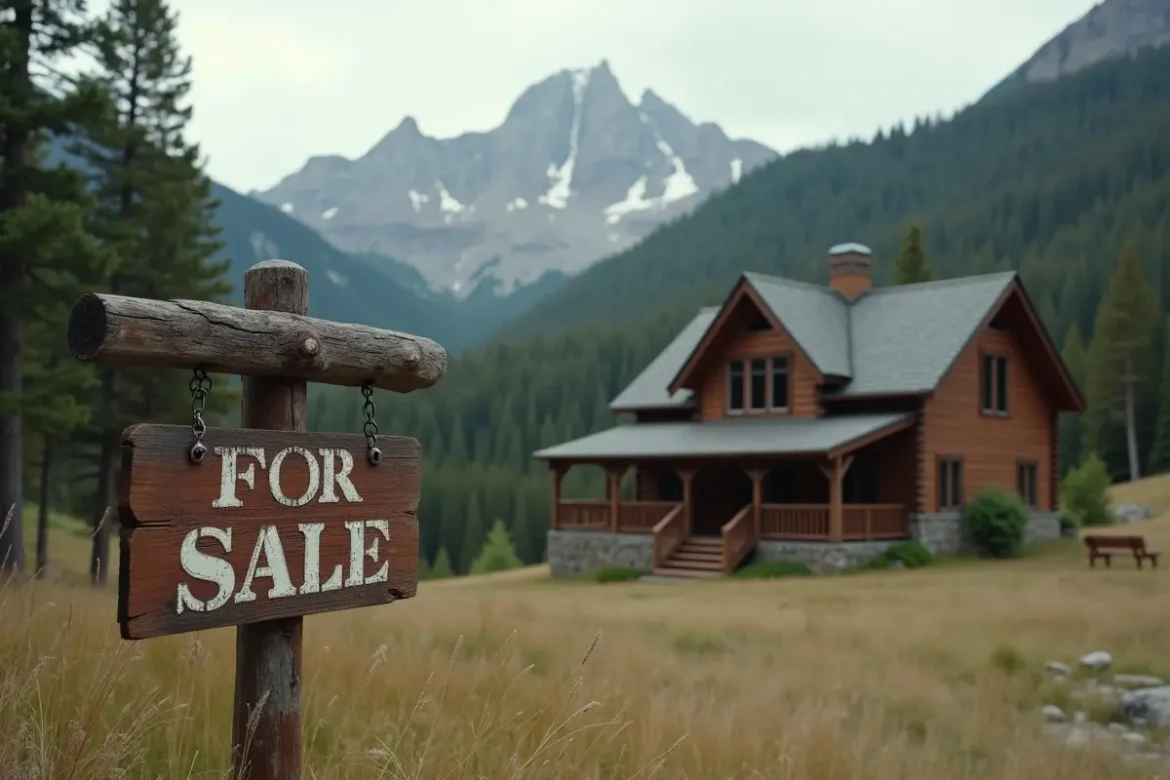
A mountain home near Blairsville can offer wooded privacy, lake access, cooler elevations, and room to slow down. It can also include ownership questions that are easy to miss during a sunny-afternoon showing. The view matters, but dependable roads, drainage, utilities, insurance, and property rules often matter more after closing.
Buyers comparing cabins, lake homes, land, and full-time residences can benefit from a local perspective early in the process. The Blairsville GA real estate agent Lucretia Collins, and the Lucretia Collins Team serve North Georgia and Western North Carolina, with a website that includes property searches, home valuation services, and regional lifestyle information. That area focus can be valuable when comparing access, terrain, and the practical differences between mountain communities that may not be obvious in a listing description.
Start With How You Will Actually Use the Home
Before falling in love with a porch or ridgeline view, define the property’s job. A full-time home may need reliable internet, practical storage, nearby groceries, and manageable winter access. A weekend cabin may need simple systems that can be left unattended. A retirement home may require a gentler driveway grade, fewer stairs, and convenient medical care. A rental property adds questions about permits, parking, occupancy, insurance, and local or HOA restrictions.
The key question is simple: Does this property support your normal routine, or only an imagined vacation routine? An honest answer will help narrow the search quickly.
Test Roads, Driveways, and Year-Round Access
In the Blairsville area, a home’s address does not tell the full access story. Roads may be public, private, shared, gated, or maintained by an owners’ association. Drive the entire route from the nearest main road, preferably more than once. Note steep grades, blind turns, narrow bridges, low-hanging limbs, limited turnaround space, and the condition of gravel or pavement.
- Ask who pays for grading, gravel, culvert repairs, storm cleanup, and tree removal.
- Request any written road-maintenance agreement before the due diligence deadline.
- Ask about prior washouts, fallen trees, flooding, and emergency-vehicle access.
- Consider whether your own vehicle, guests, delivery drivers, and service providers can use the driveway comfortably.
Study the Lot, Slope, Drainage, and View
Mountain terrain affects far more than scenery. A steep lot can influence parking, deck maintenance, landscaping, drainage, foundation work, and the cost of future improvements. Walk beyond the house rather than viewing the property only from the driveway and deck. Look for standing water, exposed roots, soil movement, leaning retaining walls, cracks near paved areas, and downspouts that discharge near the foundation.
Season matters as well. Summer foliage can change both a mountain view and the amount of sunlight reaching the home. If possible, revisit at a different time of day or season. For land, additions, or properties with drainage concerns, soil surveys can identify limitations related to slope, flooding, water tables, foundations, and septic absorption fields. Still, they should not replace property-specific professional review.
Review Water, Septic, Power, Heat, and Internet
Many mountain properties rely on systems that deserve closer review than a typical municipal setup. Confirm whether water comes from a public connection, private well, shared well, spring, or cistern. Request available water test results and ask about shared-system responsibilities. If the home has a septic system, review permits, tank capacity, drainfield location, pumping records, approved bedroom count, and repair options.
Also, verify the heating fuel, propane tank ownership, delivery arrangements, electrical service, generator connection, and backup-power plan. Test cell service and internet inside the house, including likely workspaces. A signal near the road is not the same as dependable service in the home.
Order Inspections That Match the Property
A general home inspection is an important starting point, but it may not answer every question about a mountain property. Match additional inspections to the home’s age, systems, and site conditions.
- Well flow and water-quality testing.
- Septic inspection and review of pumping history.
- Chimney and wood-stove inspection.
- Radon testing.
- Roof, attic, structural, or foundation review.
- Drainage, retaining-wall, or geotechnical evaluation when conditions warrant it.
Check Flood, Fire, and Weather Exposure
Even a home above a creek may have drainage or flood considerations nearby. Review available information through the FEMA Flood Map Service Center and ask the seller about water intrusion, storm damage, fallen trees, and prior insurance claims. Mountain weather can also affect driveways, power reliability, roofs, and emergency travel routes.
Get insurance quotes before your inspection period ends. Compare deductibles, exclusions, replacement-cost terms, and any conditions affecting a second home or rental use. Insurance availability and cost should be part of the purchase decision, not an afterthought.
Read Rules, Easements, and Rental Documents
Never assume a cabin can be used as a short-term rental, guest property, or future expansion site. Review county zoning, permit requirements, occupancy rules, parking standards, and tax obligations. Read HOA covenants for fees, special assessments, architectural controls, rental restrictions, and maintenance duties. Title work should also identify recorded easements for roads, utilities, water access, shared driveways, docks, or neighboring use.
Build a Complete Ownership Budget
The mortgage is only one line item. Include property taxes, insurance, road or HOA fees, driveway upkeep, propane or supplemental heat, well and septic maintenance, tree work, deck care, roof repairs, cleaning, and property management if the home will be vacant or rented.
For example, a lower-priced cabin on a steep private road may require more ongoing spending than a higher-priced home with municipal water, paved access, and easier access to contractors. Compare the annual ownership picture, not only the purchase price.
Use a Simple Mountain Property Scorecard
Rate each home from one to five in these categories to keep emotion from taking over the decision:
- Access: Can you reach it safely in difficult weather?
- Condition: Are the roof, exterior, foundation, and systems well-maintained?
- Utilities: Are water, septic, power, heat, internet, and cell service dependable?
- Rules: Do zoning and HOA documents support your intended use?
- Insurance: Is workable coverage available?
- Resale: Will the property appeal to future buyers beyond one narrow lifestyle?
A Clear Due Diligence Timeline
- Before touring: Set your budget, travel limits, intended use, and nonnegotiable features.
- During the showing, evaluate the road, driveway, sun exposure, drainage, utility setup, and neighboring properties.
- Before making an offer: Investigate insurance, road responsibility, zoning, easements, and HOA concerns.
- During inspections, schedule specialty evaluations that suit the home and site.
- Before closing: Confirm title, permits, utility transfers, insurance, and maintenance agreements.
Common Buyer Questions
Is a mountain home a good second home?
It can be, provided the travel time, upkeep, insurance costs, and access needs align with how often you will realistically visit. Convenience helps turn a second home into a place you use rather than a property you only intend to use.
Should I choose an older cabin or a newer mountain home?
Either can work. Compare total ownership costs, including insulation, roofing, plumbing, electrical updates, heating, drainage, and exterior maintenance, rather than judging solely by age or character.
What should I check first?
Start with access. A remarkable view cannot overcome a road, driveway, utility, insurance, or emergency-access problem that does not fit your needs.
Conclusion
The strongest Blairsville mountain home purchase is not necessarily the property with the best view. It is the one with access you can rely on, systems you understand, insurance you can maintain, rules that support your plans, and upkeep that fits your budget. Careful due diligence turns a beautiful mountain property into a practical long-term home.