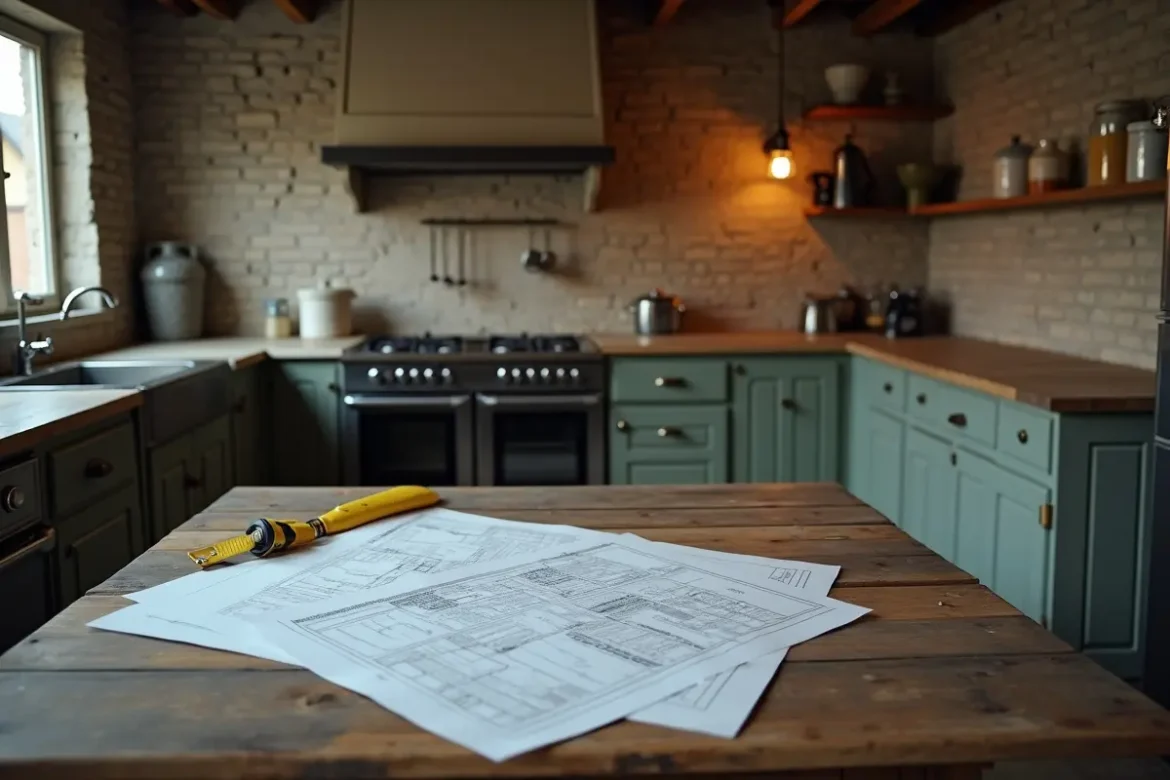
An older Montreal home has charm that a new build cannot copy. Brick exteriors, high ceilings, and layouts shaped by decades of changes give a house character. They also mean that a kitchen renovation rarely goes the way the plan says it will. Walls hide surprises, rooms are rarely square, and the kitchen you want may have to work around a staircase, a chimney, or a structural wall.
The renovations that go smoothly are the ones where the big decisions are made before the first cabinet comes out. Here is how to approach it.
Start With How You Actually Cook
Before you pick finishes, think about what is wrong with the kitchen you have. Is there too little counter space? Does the layout force you to walk around the same obstacle every day? Are guests always standing in the one spot where you need to work? A kitchen that feels chaotic even though you clean it every day usually has a layout or storage problem, not a tidiness problem, and renovating without fixing the cause just produces a prettier version of the same frustration.
Write down the three or four things you most want to change. Use them to judge every decision that follows, from the position of the sink to the depth of the drawers.
Expect the Unexpected Behind the Walls
Older homes in Montreal and nearby areas like Laval carry a long history of repairs. Plumbing may have been redirected, wiring may have been added in stages, and walls and floors may sit differently than they appear. A responsible plan includes a buffer in the budget and the schedule for what turns up once the space is opened.
It also helps to have an early conversation about what can and cannot move. Relocating a sink is usually straightforward. Moving a gas line, removing a wall, or changing the location of a vent can change the scope of the project in a big way. Knowing these limits early keeps the design realistic.
Plan Around the Quebec Calendar
Winters here affect how renovation work is scheduled. Interior work like a kitchen can continue through the cold months, but deliveries, material handling, and any work that touches the exterior need to account for snow and ice. Spring and early summer fill up quickly with contractors, so projects that start in the fall or winter can often be scheduled with more flexibility.
Lead times matter too. Custom cabinets, countertops, and specialty appliances can take weeks to arrive, and an installation that waits on a single missing piece can stall the entire project. Order early, confirm dates in writing, and keep a clear list of what has arrived.
Think About Storage and Flow
Older kitchens are often small, which makes smart storage essential. Consider full-height cabinets, deep drawers for pots, and pull-outs that make corner space usable. Lighting makes a difference as well. A combination of overhead light, under-cabinet task lighting, and a soft evening option makes the room feel larger and easier to work in.
Think about the flow between the kitchen and the rest of the house, too. In many older layouts, the kitchen sits at the back, away from the living areas. Opening up a doorway or widening an entry can change how the whole floor works, but it needs a professional opinion first, particularly in a home with load-bearing walls.
Check Credentials Before You Sign
A renovation is a large investment, and the contractor you choose matters as much as the design. In Quebec, you can ask for a contractor’s licence number and check it in the public repertory, making sure it covers the subclasses required for the work. It takes a few minutes and tells you whether you are dealing with a company that has passed the necessary verifications.
Beyond the licence, look for a clear process, a detailed written estimate, and a team that explains what will happen and when. If you are comparing options for a kitchen renovation in Montreal, choose contractors who are comfortable discussing the details of an older home and who treat the project as a craft, not a quick turnaround.
Keep Communication Simple
Good projects have regular check-ins. Agree on who your main contact is, how changes will be handled, and how decisions about surprises will be made. A short weekly review of progress, upcoming deliveries, and open questions prevents most misunderstandings.
Make the Plan, Then Protect It
A kitchen renovation in an older Montreal home rewards preparation. Define the problems you want to solve, build in room for surprises, confirm the contractor’s credentials, and order materials early. When the groundwork is done, the construction itself becomes the easy part, and you end up with a kitchen that suits the way your household really lives.