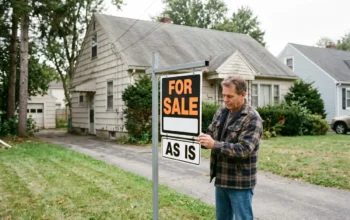
What makes one home sell quickly while another stays on the market for weeks? The answer lies in local conditions that shape how buyers search, compare homes, and make offers. Real Estate prices, the number of homes for sale, and buyer demand can change from one town to the next.
These shifts affect your asking price, how long a sale may take, and which offers make sense. By watching local signs instead of relying on national news, you can make choices. Read on to learn how to judge your market, plan your timing, and approach your home sale with confidence.
Why Local Real Estate Trends Matter
A housing market is shaped by what happens in a town, not national news. When buyers outnumber homes for sale, sellers may get stronger offers. When choices grow, buyers gain power.
These real estate market trends can shift quickly, so old reports may not show today’s value. Check recent sales of homes like yours by size, age, and location. This helps set a fair price.
How Home Supply Shapes Your Asking Price
The number of homes for sale is called inventory, and it guides pricing. Low inventory may help sellers hold firm. High inventory makes it harder to stand out.
Compare your home with nearby listings and sales. Housing market statistics, such as sale prices and days on the market, reveal patterns. A fair price can bring visits and fewer delays.
Buyer Demand Can Change Your Selling Options
Buyer demand may rise when jobs are strong and loan rates feel manageable. More buyers can mean extra showings and several offers. When demand slows, allow more time or help with closing costs.
Home selling tips should match active buyers in your area. Some want a move-in-ready home, while others seek a lower price. An agent can explain what buyers ask for.
When a Faster Sale Makes Sense
A move, new job, or family change may make timing more important than top dollar. To sell house fast, clean each room, use clear photos, and price near recent sales.
Cash home buyers may make offers without loan approval. Their offers may be lower, so check proof of funds, sale terms, and the closing date before you agree.
Use Local Data Before You Choose a Date
Season, building plans, and local jobs can affect buyer activity. Some places see more shoppers in spring, while others stay busy all year. Ask an agent when similar homes sell best.
For a Gulf Coast view, read this update on how local trends are rising. It shows why local data matters when you set a price or list date. Use facts from your town.
Make Your Next Sale a Smarter Move
A successful Real Estate sale starts with understanding the market in your area. Check recent home sales, compare active listings, and see how long similar homes take to find buyers. These facts can help you choose a fair asking price and set clear goals.
Pay attention to changes in buyer demand and the number of homes for sale, as these can affect your options. A trusted real estate agent can also help you review offers, plan your timing, and avoid costly mistakes. With the right information, you can make smart choices throughout the selling process.
Did this guide help you? Browse the rest of this section for more advice on a variety of topics.