Regular HVAC maintenance is essential for ensuring the efficiency and longevity of your heating and cooling systems. Proactive care allows homeowners to catch small issues before they escalate into significant problems or system failures. To simplify this process and increase peace of mind, consider exploring HVAC Maintenance Plans, which help ensure your equipment stays in top shape year-round.
By keeping up with consistent maintenance, you can avoid inconvenient breakdowns and expensive repair bills. Routine checks are not just about preventing emergencies; they also help your system run more efficiently, which saves money on energy bills and can even improve indoor air quality for your family.
Importance of Regular HVAC Maintenance
Keeping up with regular maintenance isn’t just a recommendation; it is a necessity if you want your heating and cooling equipment to last. By proactively dealing with potential trouble spots, you significantly decrease the risk of unexpected malfunctions. According to HVAC industry studies, scheduled service can prevent as much as 95% of common HVAC breakdowns while also adding five to ten years of life to your equipment. These steps also protect your manufacturer’s warranty, which can save you substantial sums if a part fails unexpectedly.
Beyond just the financial savings, maintaining your HVAC system ensures consistent comfort and better air quality in your home. Regular checks and seasonal inspections keep your system performing at peak efficiency, help stabilize indoor temperatures, and can make a noticeable difference in monthly energy bills.
Common Causes of HVAC Breakdowns
Various factors can lead to the failure of HVAC systems, many of which can be prevented with attentive care:
- Dirty or Clogged Filters: A dirty filter restricts airflow, making the system work harder and reducing efficiency.
- Refrigerant Leaks: Low refrigerant levels undermine cooling and can ultimately damage the compressor.
- Electrical Problems: Issues like worn contacts or frayed wires often lead to breakdowns or total system shutdown.
- Thermostat Problems: Faulty thermostats can make the system run inefficiently or not at all.
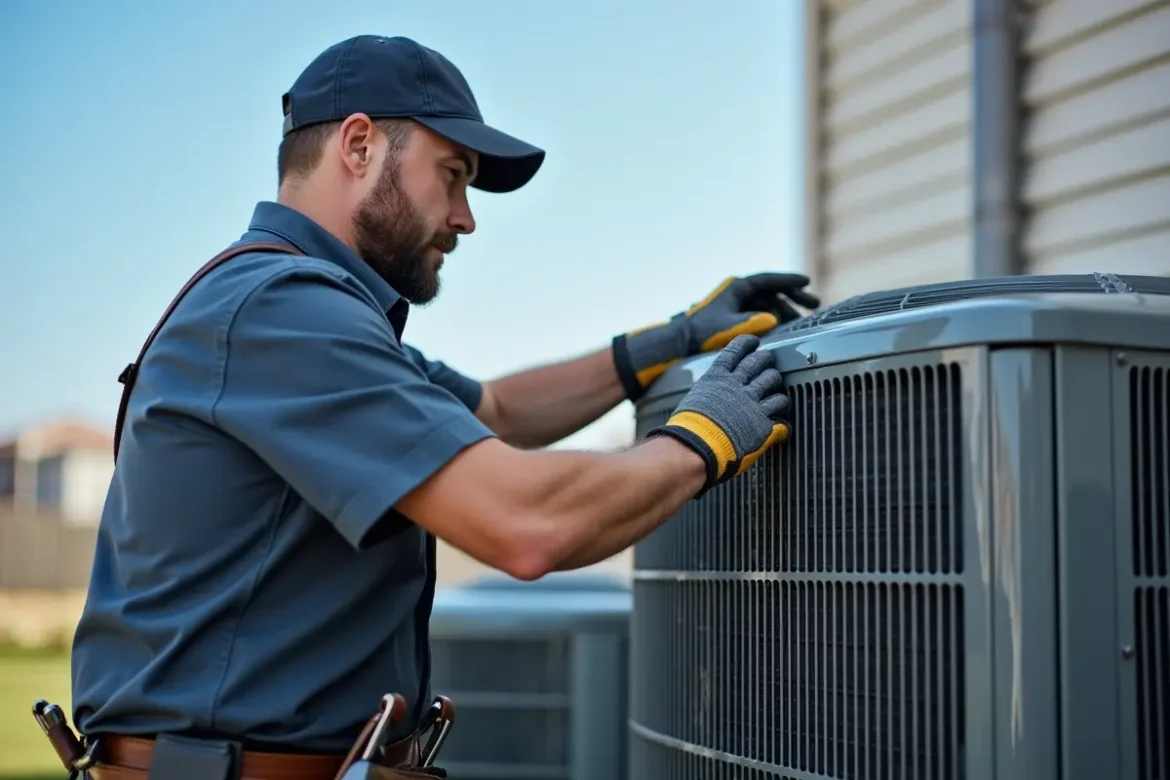
- Neglected Outdoor Units: Debris obstructing the condenser unit can cause overheating and operational problems.
Benefits of Preventive Maintenance
The rewards of consistent HVAC upkeep go far beyond just keeping your system running. Here’s what you stand to gain:
- Higher Efficiency: Clean, well-maintained systems require less energy to maintain desired temperatures, lowering utility bills.
- Longer Lifespan: Minimum wear and tear extends equipment usage, delaying the need for costly replacement.
- Improved Indoor Air Quality: Regularly maintained filters and ductwork minimize dust, allergens, and particulates.
- Peace of Mind and Cost Savings: Preventing major issues through routine care means fewer disruptive and expensive repairs, saving you money and stress in the long run.
For a deeper dive into why regular maintenance is crucial for all home mechanical systems, visit Forbes Home: HVAC Maintenance Tips.
Recommended Maintenance Schedule
Sticking to a scheduled maintenance routine ensures reliable, safe, and efficient HVAC operation:
- Monthly: Inspect and replace air filters as needed. This is especially important during peak usage periods.
- Seasonally: Check around your outdoor unit every spring and fall, clearing away debris, plants, or leaves that could obstruct airflow.
- Annually: Arrange for a professional tune-up before the summer and winter months. These sessions should include a comprehensive inspection of all major system components, refrigerant levels, thermostat calibration, and ductwork.
DIY Maintenance Tips
While some aspects of HVAC care require a trained professional, several tasks can be managed by homeowners between service calls:
- Replace Air Filters: Changing the filter every one to three months keeps airflow clear and the system running efficiently.
- Clear Outdoor Units: Use a hose or soft brush to gently clean accumulated dirt and debris. Keep the area around the condenser unit free from leaves and overgrowth.
- Thermostat Checks: Test your thermostat to ensure it displays accurate readings and replace batteries if needed.
- Inspect Ducts and Vents: Look for visible leaks or disconnects in accessible ducts and vacuum vents to keep them clear of dust and debris.
When to Call a Professional
Some issues are beyond the scope of most DIY efforts and signal the need for expert service:
- Unusual Noises: Clanking, banging, or screeching noises point to a potential mechanical problem.
- Temperature Fluctuations: Inconsistent heating or cooling may indicate thermostat or ductwork issues.
- Spike in Energy Bills: Sudden and unexplained increases in utility costs can be a red flag for underlying system inefficiencies.
- Aging Systems: Units over 10–15 years old are at higher risk for problems and should be inspected by a professional before seasonal changes.
Conclusion
Making HVAC maintenance a regular part of your home’s upkeep routine pays off in continued comfort, increased system life, and meaningful savings. Adhering to a proactive maintenance schedule and knowing when to call in a professional will help keep your system running smoothly and efficiently year after year.