Keeping your home safe and your utilities secure often begins with thoughtful tree management on your property. Neglected or unhealthy trees can pose significant hazards, ranging from physical damage to utility interruptions. Understanding when and how to address potential issues is vital for homeowners, and this comprehensive guide focuses on that. If you have experienced a tree hit power line incident or want to prevent one, you can find help and direction below.
When mature trees grow close to power lines or your property, they can become serious threats during storms or periods of heavy wind. Falling limbs, root pressure, and overgrown branches are common causes of home and utility problems. Safeguarding your family and property means adopting a proactive approach that includes assessment, professional help, and logical maintenance decisions. These steps create a safer environment and minimize the risk of emergencies.
While trees enhance curb appeal and provide shade, overlooked warning signs can quickly escalate into dangerous problems. If your property includes large or aging trees, regular inspections and prompt attention to issues are necessary. Utility companies work to keep public areas clear, but homeowners are responsible for their own lots and the trees on them.
Being informed and prepared not only protects your family but also ensures that potential hazards are handled with minimal risk. Let’s explore how to identify trouble signs, select professional services wisely, and protect overhead and underground utilities.
Identifying trees that could cause harm is the crucial first step toward a safer property. Warning signs of hazardous trees include extensive deadwood, cracked trunks, cavities, visible fungal growth, or root upheaval. These symptoms indicate compromised structural integrity, making the tree more likely to lose limbs or topple during adverse weather. Dead or dying trees are particular threats, especially near homes or power lines. A thorough visual check after high winds or storms helps spot hidden risks before they escalate.
The Importance of Professional Tree Removal
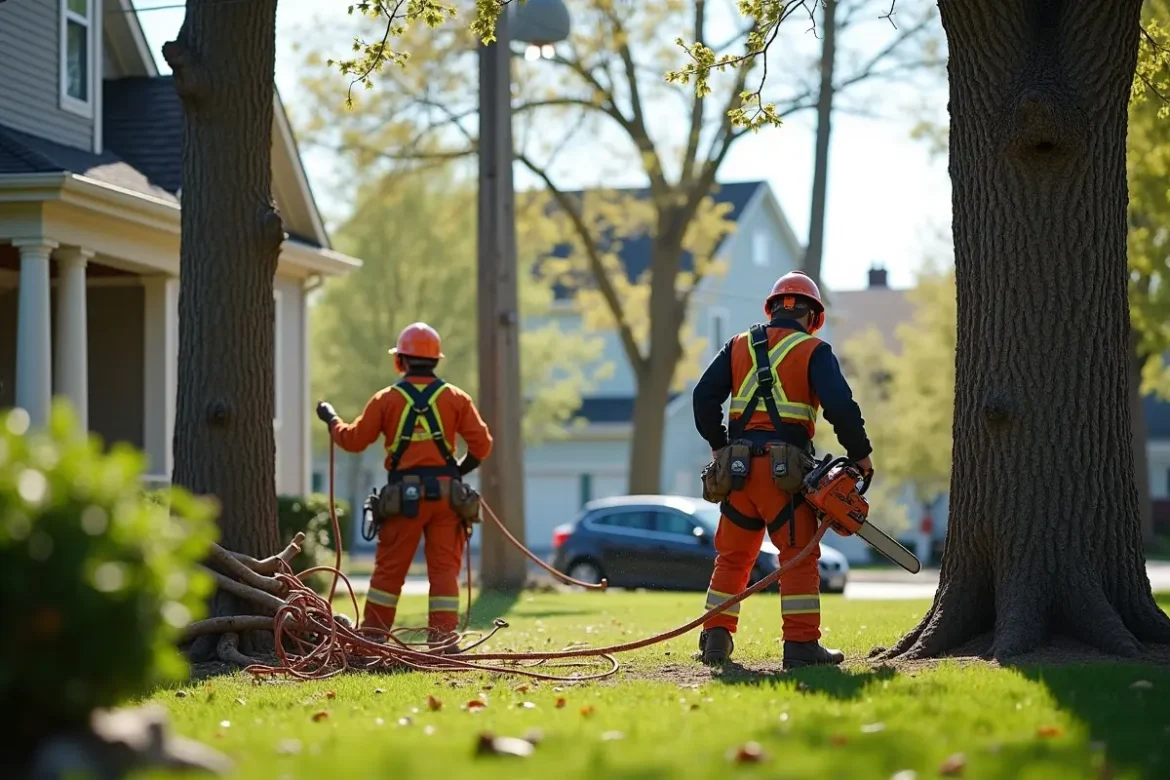
Though do-it-yourself approaches might appear convenient or wallet-friendly, removing hazardous trees without proper training can result in serious injury or accidental property damage. Certified arborists and tree removal experts possess specialized equipment and experience, ensuring that tree felling, pruning, or trimming is performed safely and efficiently.
Professionals assess tree health and stability, make tailored recommendations, and conduct removals while minimizing collateral damage. In many regions, improper DIY removal can also violate local safety ordinances, leading to fines or liability for unforeseen accidents.
Engaging licensed professionals is especially important near structures or live utility lines. If you suspect a tree is dying, diseased, or threatening utilities, schedule a professional inspection as soon as possible.
Protecting Utility Lines
Trees encroaching on power lines pose unique and serious concerns. Overgrown branches may disrupt service, cause fires, or bring down lines during storms. Utility providers often trim trees in public easements, but when private properties are involved, responsibility falls on the homeowner to notice and respond to hazards safely. Never attempt to prune or remove trees near overhead wires yourself. Instead, consult with a local utility company or an arborist trained to work in high-voltage environments to manage the risk appropriately.
Early action is key to preventing outages and avoiding dangerous scenarios. Several media reports underscore the importance of communication between utility companies and homeowners to maintain a clear zone around power infrastructure.
Preventing Property Damage
Expanding tree roots and falling limbs are leading causes of residential property damage. Aggressive roots can invade drainage systems, lift concrete, or crack foundations, while branches overhanging the roof create direct impact and clog gutters with debris. In cities like Dunwoody, GA, homeowners have faced costly repairs after overlooking the impact of large hardwoods near buildings. Removing or relocating problematic trees, or opting for less invasive species, helps safeguard foundations and reduces the likelihood of expensive long-term repairs.
Ensuring Family Safety
The risk to family members extends beyond property damage. Falling branches or whole trees may result in severe or even fatal injuries to residents or visitors. Overgrown foliage can obscure driveways and walkways, increasing the likelihood of vehicle or pedestrian accidents. Prioritizing routine pruning and prompt attention to compromised trees minimizes these risks and creates a more welcoming, secure landscape for all.
Protecting Underground Utilities
Hazards are not limited to what happens above ground. Sprawling tree roots can entangle underground utility systems, including water pipes, gas mains, and communication cables. Before removing or planting trees, locate all underground utilities on your property to reduce the risk of costly and disruptive service interruptions. Licensed removal experts use advanced techniques and detection equipment to map these lines and conduct work without damaging buried infrastructure. This preventive step cannot be overlooked in neighborhoods with aging or densely packed utility networks.
Balancing Tree Preservation and Safety
While tree removal sometimes becomes necessary, homeowners should aim to balance preservation with safety. Trees provide shade, oxygen, and enhance property value, but their location and health must be carefully managed. Many municipalities, like Seattle, require replanting or careful species selection as part of urban development and neighborhood planning.
Consider replacing removed trees with varieties suited to the available space, light, and proximity to both overhead and underground utilities. These decisions promote both safety and sustainability in your landscaping.
Conclusion
Safe tree removal practices are essential for protecting your home and ensuring the reliability of your utility services. Recognizing trouble signs early, relying on qualified tree removal professionals, and being mindful of potential threats above and below ground help prevent emergencies and maintain a secure, attractive property. Regular assessment and proactive planning are fundamental steps all homeowners should take to protect their families, homes, and neighborhoods for years to come.