Starting the process of building your dream home is an exciting opportunity to create a space that reflects your lifestyle and preferences. While it can be complex, thoughtful planning and professional guidance make the journey rewarding. Before beginning, it is vital to thoroughly explore the different steps so you can make informed decisions and avoid unexpected setbacks. If you’re looking for regional expertise, working with a trusted custom home builder Sarasota can make all the difference for a stress-free custom build.
Whether you are building for a growing family, downsizing, or seeking a sustainable solution, planning ahead ensures your home is tailored to you. The right combination of clear budgeting, the perfect location, and a team of experienced professionals is key to turning your vision into reality. Being proactive about styles and energy efficiency not only impacts your daily comfort but also the long-term value and functionality of your property. The more educated you are about the process, the easier it is to make choices that yield a truly customized living experience.
Setting a Realistic Budget
Begin by clarifying your finances before designing your custom home. A comprehensive budget should include land acquisition, architectural and design fees, construction and labor costs, permits, utility connections, landscaping, and a contingency fund. Unexpected expenses can arise, so allocate roughly 10 to 15 percent more than your initial estimate. A detailed budget is essential to prevent cost overruns and uncomfortable compromises later in the project.
Utilizing digital tools or consulting local building cost indices can help you establish a solid budget foundation. According to Forbes Home, keeping extensive records and tracking every update is the best way to avoid unpleasant surprises.
Choosing the Right Location
The site of your custom home determines everything from daily convenience to investment potential. Think beyond just the neighborhood’s style. Proximity to your place of work, schools, healthcare, and essential amenities will strongly affect your daily routines. Additionally, examine factors such as walkability, long-term development plans, and neighborhood reputation.
Do not overlook factors such as soil quality, access to utilities, and lot shape. Topography can impact your construction costs and provide opportunities for unique design elements. Research the local zoning regulations before purchasing land to ensure your plans will be approved and avoid legal challenges as your project progresses.
Assembling Your Dream Team
Your success relies on assembling a skilled and trustworthy group of professionals. These key team members work in concert to transform your ideas into reality:
- Architect: Collaborates with you to create a unique, functional design tailored to your lifestyle and preferences.
- Builder/Contractor: Supervises all construction activities, coordinates schedules, hires subcontractors, and maintains quality standards.
- Interior Designer: Helps integrate aesthetic appeal and functionality in your living spaces by selecting materials, finishes, and fixtures that fit your budget and taste.
Prioritize professionals with local experience and positive references. Arrange in-person meetings, review portfolios, and clarify contractual expectations to maintain open communication and accountability throughout the build.
Designing Your Floor Plan
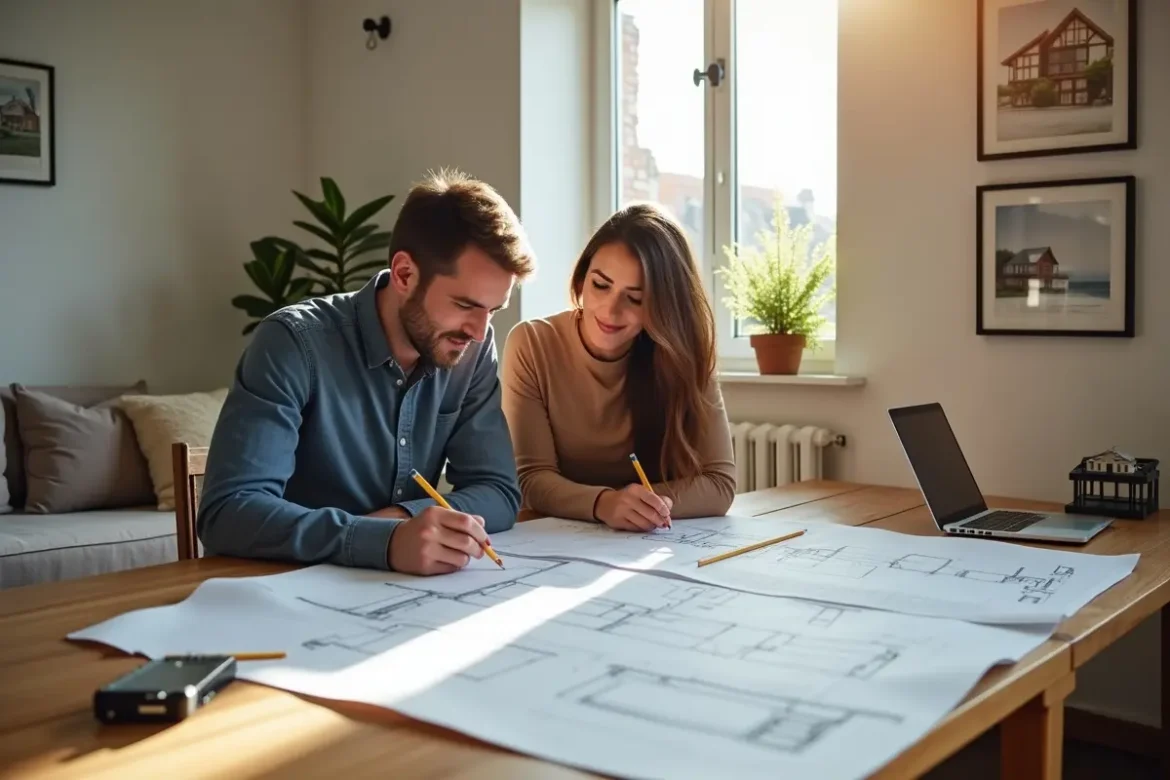
A thoughtful layout increases both daily comfort and resale value. Begin with practical considerations, such as the number of bedrooms and bathrooms, but also consider specialty spaces like home offices, fitness studios, or playrooms. Decide between an open concept and traditionally defined spaces based on your entertaining style and privacy preferences.
- Future-proof your home: Plan for growing families, aging in place, or evolving needs to make your investment last for decades.
- Outdoor Living: Integrate covered patios, balconies, or gardens if the lot and local climate allow.
- Storage: Factor in walk-in closets, pantry space, built-in shelving, and garage organization from the outset, not as an afterthought.
Frequent collaboration with your architect minimizes both design oversights and future regrets.
Incorporating Energy Efficiency
Smart design choices can make your new home comfortable and cost-effective for years to come. Invest in high-quality insulation, dual-paned windows, and a building orientation that maximizes light and airflow. Opt for ENERGY STAR-certified appliances and consider integrating solar panels and smart thermostats for even greater savings and control.
- Install energy-efficient fixtures and LED lighting throughout the home.
- Choose sustainable materials, such as bamboo flooring or reclaimed wood, when possible.
- Evaluate local tax incentives for green building features, which can offset up-front expenses.
These steps not only lower utility bills but also create a healthier living environment and boost long-term property value.
Establishing a Timeline
A detailed and realistic schedule keeps your build on track and minimizes frustration. Work closely with your contractors to define timelines for every phase: design, permitting, construction, and interior finishing. Allocate extra time for weather delays, permitting waits, or material supply shortages. Schedule regular progress meetings with your team to stay organized and catch bottlenecks early.
Finalizing Details and Selections
As your custom home takes shape, you will need to make a series of style and material decisions. Paint colors, cabinetry, lighting fixtures, and hardware can each have significant lead times, so prioritize critical selections and verify supplier timelines. Maintaining a thorough list or binder of your choices, complete with receipts and contact information, ensures nothing slips through the cracks.
- Stay consistent with your original vision. Frequent changes can drive up costs and slow progress.
- Work with your interior designer to establish a cohesive look, from flooring to finishes.
- Stay flexible, but prepare in advance to avoid feeling rushed when making decisions.
Bringing Your Dream Home to Life
From initial dreaming to move-in day, building a custom home presents endless opportunities for creativity and personalization. With thoughtful planning, honest communication, and involvement from knowledgeable professionals, you can avoid pitfalls and enjoy the process. In the end, you will have a truly one-of-a-kind home designed to enhance your lifestyle, personal well-being, and future investment. A well-planned home is more than a place to live; it is a reflection of your unique vision and goals for the years to come.