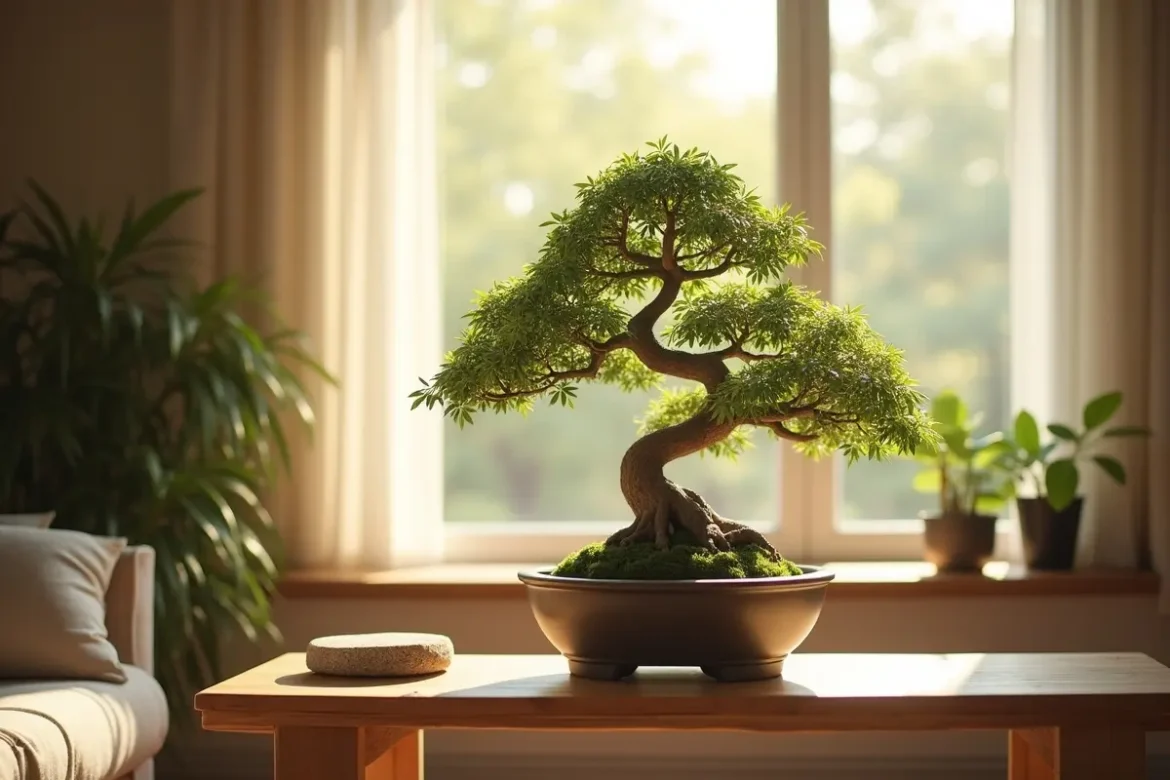
Cultivating bonsai trees is an ancient art form that goes beyond simple gardening. It is a practice that requires attention to detail, patience, and a mindful attitude. Bonsai care demands a steady hand and a keen eye to prune, shape, and nurture these miniature trees into living works of art. This deliberate process naturally guides individuals into the present moment, making bonsai a practical tool for achieving mindfulness and reducing distractions.
Engaging with a Japanese black pine bonsai tree or other species allows you to hone your focus, cultivate patience, and develop a more meaningful connection with nature right in your own home.
The principles of bonsai cultivation mirror those found in many mindfulness practices. Each task, from pruning a leaf to repotting the tree, commands your full attention and encourages a meditative state. This immersion in the present has notable mental health benefits.
According to experts, being present during such activities provides measurable stress relief and can even lower heart rate and anxiety levels. The consistent ritual of tending to a bonsai serves as a quiet anchor in a busy world, providing a sense of calm and clarity amid everyday chaos.
Enhancing Home Balance Through Bonsai
Integrating it into your home not only beautifies your living space but also fosters a sense of harmony and balance. According to Feng Shui philosophy, the way living plants are arranged within your home influences the flow of energy, or Qi. Proper positioning of a bonsai tree is thought to stimulate positive energy in key aspects of life, such as family well-being and financial prosperity.
Placing a bonsai in the east corner of your home supports health and familial bonds, while the southeast corner can attract abundance and prosperity. Conversely, it is advised to avoid placing bonsai in bedrooms or entryways to maintain a balanced energy flow.
These placement considerations are based not only on aesthetic concerns but also on the practical needs of the tree and the well-being of household members. It requires access to natural light, stable temperature, and gentle care, all of which are easier to provide when the tree is thoughtfully positioned.
Adhering to both botanical and Feng Shui best practices ensures that your bonsai thrives while adding positive energy to your environment.
Therapeutic Benefits of Bonsai Care
The process of nurturing a bonsai tree offers therapeutic benefits for mental and emotional wellness. Regular engagement with a bonsai tree provides a purposeful routine that helps users disconnect from digital distractions and stressors. Observing the slow, steady growth of these trees serves as a gentle reminder of nature’s pace, teaching patience and resilience.
Scientific studies have confirmed that interacting with plants can significantly reduce stress and improve overall mood, supporting the view that caring for bonsai tree can be a natural form of therapy. This practice is similar to what many experience during meditation or yoga, reinforcing the link between plant care and personal well-being.
Integrating Bonsai into Your Home
Integrating bonsai into your living space begins with mindful planning and care. Here are practical steps to ensure success:
- Choose the Right Species: Each bonsai tree has unique needs. Select a hardy option that suits the light and humidity levels in your home and matches your experience and time commitment.
- Optimal Placement: Position the it according to Feng Shui principles and the plant’s sunlight requirements, making sure it avoids drafts and severe temperature changes.
- Consistent Care: Develop a routine for watering, pruning, and fertilizing. Monitor closely for signs of stress or disease, and address them promptly to keep the tree healthy and vibrant.
- Mindful Interaction: Treat each care session as an opportunity to practice mindfulness. Allow yourself to focus solely on the bonsai, setting aside other concerns for a few moments each day.
Common Mistakes to Avoid
To fully enjoy the benefits of its cultivation, avoid these common pitfalls:
- Inadequate Lighting: Most bonsai require bright, indirect light for strong, healthy growth. Place your tree where it can receive consistent light without being scorched by the sun.
- Overwatering or Underwatering: Every bonsai species has specific moisture requirements. Learn the optimal watering schedule and check the soil before each watering. Too much or too little water can damage the delicate roots.
- Neglecting Pruning: Consistent pruning not only maintains the tree’s shape but also prevents overcrowded growth and promotes overall vitality.
- Improper Placement: Avoid placing near heating or cooling vents, or in locations with frequent temperature swings. Proper air circulation is also essential to prevent plant stress and disease.
Conclusion
Bringing bonsai into your living space offers far more than decorative satisfaction. The cultivation process facilitates mindfulness, supports mental well-being, and can even harmonize the energy within your home.
By choosing the right bonsai, placing it thoughtfully, and tending it with care, you create a beautiful focal point and a living reminder to pause, reflect, and find balance in daily life. Embrace this ancient art as an ongoing journey toward greater harmony and peace in both your home and your mind.