Choosing the right wood fence can bring new life to your home’s outdoor spaces while providing important benefits such as privacy, security, and an attractive border. With a variety of fence styles available, understanding the options is crucial for homeowners seeking a balance between functionality and beauty. Click here for more information about high-quality wood fencing solutions for your property.
The decision to install a wood fence rests not only on visual preference but also on the unique needs of your home and yard, such as the level of seclusion you desire and any local climate considerations. Considerations such as durability, ease of maintenance, and cost also play a significant role in your choice. The right wood fence does more than outline a property; it enhances the value and personality of your home.
Different fence styles can affect everything from curb appeal to how your landscaping fits together. Some homeowners are drawn to the cozy charm of a picket design, while others seek the full seclusion of tall privacy boards. Each style offers unique advantages, and knowing what to expect can help you install a fence that stands the test of time.
This guide will help you compare wood fence styles, highlight key maintenance tips, and offer guidance on selecting durable, visually appealing materials, all while remaining cost-conscious. Whether you are renovating an older home or building a new property boundary from scratch, this overview can help you make an informed decision.
Popular Wood Fence Styles
Before installing a new fence, it’s important to explore the style options and their suitability for your home’s architecture, budget, and landscape needs. Each wood fence style offers a distinct look and set of benefits.
Picket Fences
Picket fences are recognized for their classic design, characterized by evenly spaced vertical boards or “pickets” attached to horizontal rails. This timeless fence style is especially popular for front yards, charming gardens, and homes with a traditional or cottage character. Picket fences act as gentle boundaries that establish your property lines without blocking views or sunlight, making them a favorite for boosting curb appeal.
Privacy Fences
For homeowners who prioritize seclusion, tall privacy fences are a dependable choice. These fences feature closely placed boards that prevent outsiders from seeing into your backyard or outdoor living spaces. In addition to shielding your property from prying eyes, privacy fences can reduce noise and wind, making your backyard a more comfortable sanctuary. They are ideal for urban and suburban homes in neighborhoods with close neighbors.
Shadowbox Fences
Shadowbox fences offer a visually balanced solution for people seeking privacy and airflow. With alternating pickets attached on either side of the rails, this design provides partial screening and adds texture to both sides of the fence. Shadowbox fences are particularly attractive for dividing properties since they look appealing from both perspectives, reducing neighbor disputes over appearance.
Lattice Fences
Lattice fences introduce an airy, decorative element to your outdoor spaces. The distinctive crisscross pattern allows vines and climbing plants to flourish, creating a living wall effect that can soften the look of more utilitarian installations. Lattice can be used as a standalone panel or integrated into taller fences as a topper, blending visual interest with increased privacy.
Maintenance Tips for Longevity
Wood fences can provide many years of beauty and protection with the right care. Regular maintenance greatly extends your fence’s lifespan, saving you the expense of premature repairs or replacements. For detailed tips on wood fence maintenance and protection, you can visit this resource from Better Homes & Gardens.
- Sealing and Staining: Applying a water-resistant sealant or stain every 2 to 3 years is critical. This protects the wood from moisture damage, warping, and harmful UV rays that can cause fading and cracks.
- Regular Inspections: It’s important to check your fence regularly for loose boards and nails, as well as early signs of rot or insect activity. Promptly addressing these issues keeps your fence structurally sound.
- Cleaning: Periodic cleaning with a power washer or scrub brush helps remove dirt, mold, and algae that may shorten your fence’s lifespan or cause discoloration.
- Vegetation Control: Keep all plants, grass, and shrubs neatly trimmed around your fence. Overgrown vegetation traps moisture, accelerating rot.
Choosing the Right Wood
Material selection plays a major role in how your new fence will perform and look over time. The two most common woods for fencing in the United States are cedar and pine, but several factors should be considered for each.
- Cedar: This wood is known for its natural oils, which protect it from decay and pests, making cedar fences durable and low-maintenance. Its rich hue and pleasant scent provide aesthetic and sensory value, though it comes at a higher price point.
- Pine: A more budget-friendly alternative, especially when pressure-treated for rot resistance. Pressure treatment helps this softwood last longer outdoors, but it may require more frequent maintenance and doesn’t have the same enduring color as cedar.
Evaluating your region’s weather conditions, your willingness to perform maintenance, and your desired appearance will help ensure that your investment stands the test of time. For more guidance on wood types and what to expect, see the HGTV fence material guide.
Cost Considerations
The total cost of a wood fence installation depends on material type, fence style, length, height, site preparation, and labor. Classic picket fences tend to be less expensive than tall privacy or custom lattice fences, and opting for premium wood like cedar can significantly raise the overall price.
On average, installing a 100-foot fence costs $2,500 to $6,500, with complex customizations or challenging terrain increasing the budget further. Be sure to obtain multiple quotes and discuss options with your installer for the best value.
Enhancing Curb Appeal
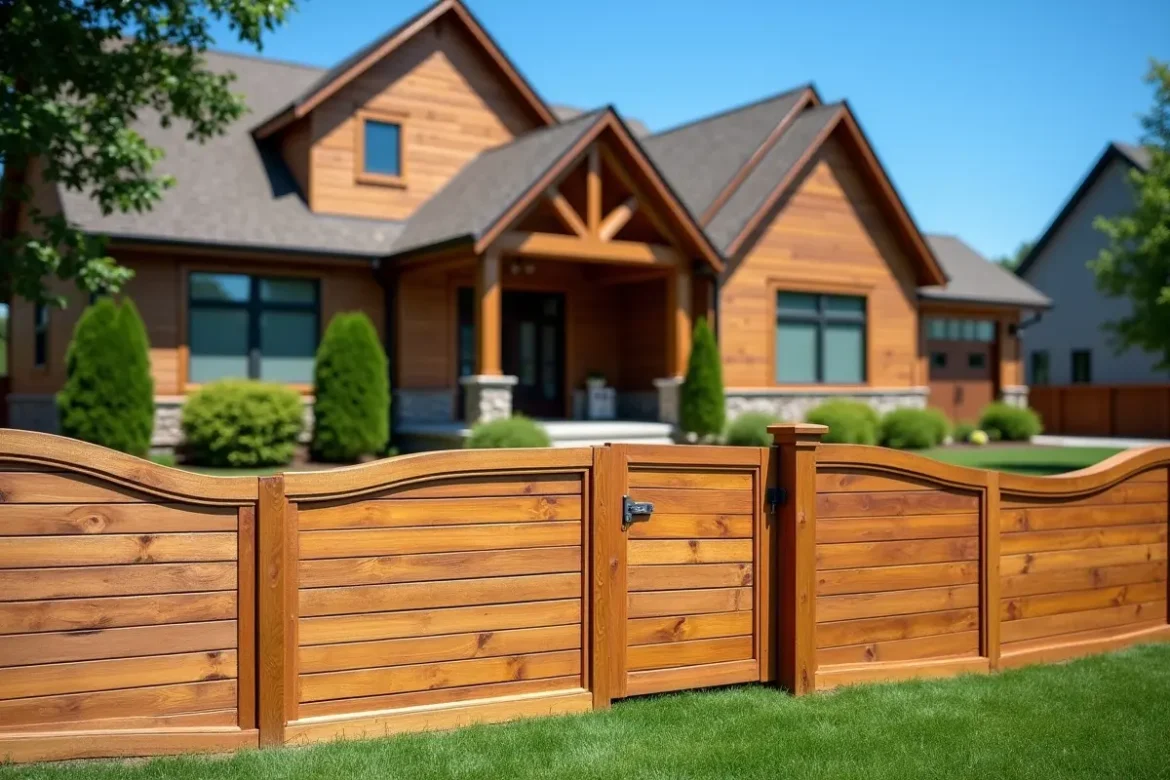
A thoughtfully chosen wood fence can set the tone for your home’s exterior, complementing architectural features and landscaping elements for a seamless look. When paired thoughtfully with shrubs, flowers, and even lighting, wood fences can define pathways, enclose play areas, or create an inviting first impression for visitors and passersby.
Matching paint colors or stains to your house trim, or using unique post caps and latticework, are subtle ways to increase the visual appeal and personalization of your wood fence.
Conclusion
Installing a wood fence is both a practical investment and an opportunity to express your style. Whether you favor a traditional picket design or need the seclusion of a tall privacy option, your attention to fence style, material quality, and regular maintenance will ensure a lasting result. Take the time to compare your options, assess your home’s needs, and find a reputable installer to bring your vision to life for years of enjoyment and added value.