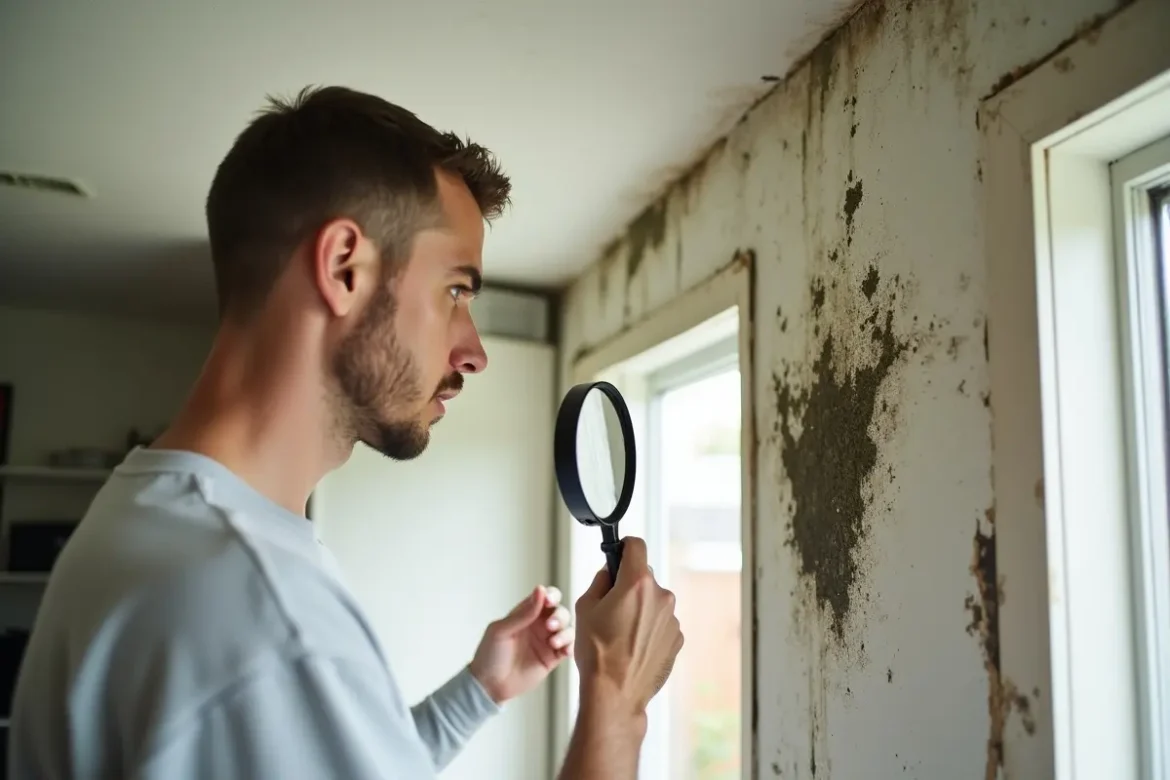
You spot a small patch of mold on your wall. Maybe it’s in the bathroom or near a window. At first, it doesn’t seem like a big deal. You might think you can just wipe it away and move on.
But mold isn’t always that simple. It can grow fast and spread where you can’t see it. This guide will help you figure out how much mold is too much and when it’s time to call a professional.
Is Any Amount of Mold a Problem?
Mold is actually everywhere. It exists both indoors and outdoors, and in small amounts, it’s usually not harmful. You might see a little mold in damp areas like bathrooms, and that’s pretty common.
The real problem starts when mold begins to grow and spread. Once it finds moisture, it can multiply quickly. That’s when it becomes harder to control and starts causing damage.
Why Mold Grows Indoors
Mold grows when there is moisture. This could come from leaks, high humidity, or even condensation on windows. It doesn’t need much to start spreading.
Poor ventilation makes things worse. When air doesn’t circulate well, moisture gets trapped. That creates the perfect environment for mold to grow.
Past water damage is another big cause. Even if the area looks dry, mold can still grow behind walls or under floors. That’s why it often goes unnoticed at first.
How Much Mold Is Considered Too Much?
A small spot of mold might not seem like a big deal. But size isn’t the only thing that matters. Where the mold is and how fast it’s spreading also play a big role.
A common guideline is the 10 square feet rule. If mold covers more than that, it’s usually best to call a professional. Even smaller areas can be a problem if the mold keeps coming back.
Small Mold Less Than 10 Square Feet
Small patches are often manageable. You can clean them using proper safety steps and cleaning solutions. Still, you need to fix the moisture issue or it will return.
Even a small patch can grow if ignored. Mold spreads quickly in the right conditions. So it’s important to keep an eye on it.
Moderate to Large Mold Growth
When mold spreads across walls or ceilings, it’s a bigger issue. This usually means the problem has been there for a while. It may also be hiding in other areas.
Large mold growth can damage your home. It can weaken materials like drywall and wood. At this point, professional help is the safer option.
7 Signs You Need Mold Remediation
Mold problems aren’t always obvious. Sometimes the signs are easy to miss. But if you notice any of these, it’s time to take things seriously.
Watch for patterns and changes in your home. Mold often gives off clues before it gets out of control. Catching it early can save you time and money.
- Mold keeps coming back after cleaning
- A strong, musty smell that doesn’t go away
- Mold showing up in multiple areas
- Recent water damage or flooding
- Walls or ceilings look stained or warped
- You or your family feel sick more often
- Mold is inside vents or hard to reach places
Mold Remediation vs. Mold Removal: What’s the Difference?
People often use these terms the same way. But they’re actually different. Understanding the difference helps you choose the right solution.
Mold removal is usually just surface cleaning. Mold remediation goes deeper. It deals with the cause and helps prevent the mold from coming back.
Health Risks of Too Much Mold
Mold can affect your health, especially if it spreads. Some people are more sensitive than others. But even healthy people can feel symptoms over time.
You might notice coughing, sneezing, or itchy eyes. In some cases, it can lead to breathing problems. That’s why it’s important not to ignore it.
When to Call a Mold Remediation Professional
There are times when cleaning it yourself just isn’t enough. If mold covers a large area, it’s safer to call a professional mold remediation company. They have the tools to handle it properly.
You should also get help if the mold keeps coming back. That usually means there’s a deeper issue. A mold removal contractor can find the source and fix it.
What to Expect During Mold Remediation
The process usually starts with an inspection. Professionals check for visible and hidden mold. They also look for moisture sources.
Next comes containment and cleaning. They remove affected materials and treat the area. After that, they take steps to prevent mold from returning.
How to Prevent Mold from Coming Back
Preventing mold is all about controlling moisture. Fix leaks as soon as you notice them. Even small drips can lead to big problems over time.
Keep humidity levels low in your home. Use fans or dehumidifiers if needed. Good airflow makes a big difference.
Conclusion
Mold might seem small at first, but it can turn into a bigger problem quickly. It spreads fast and can damage both your home and your health. Taking action early is always the better choice.
If you’re unsure, it’s okay to ask for help. A professional can give you a clear answer and peace of mind. It’s better to deal with it now than regret it later.