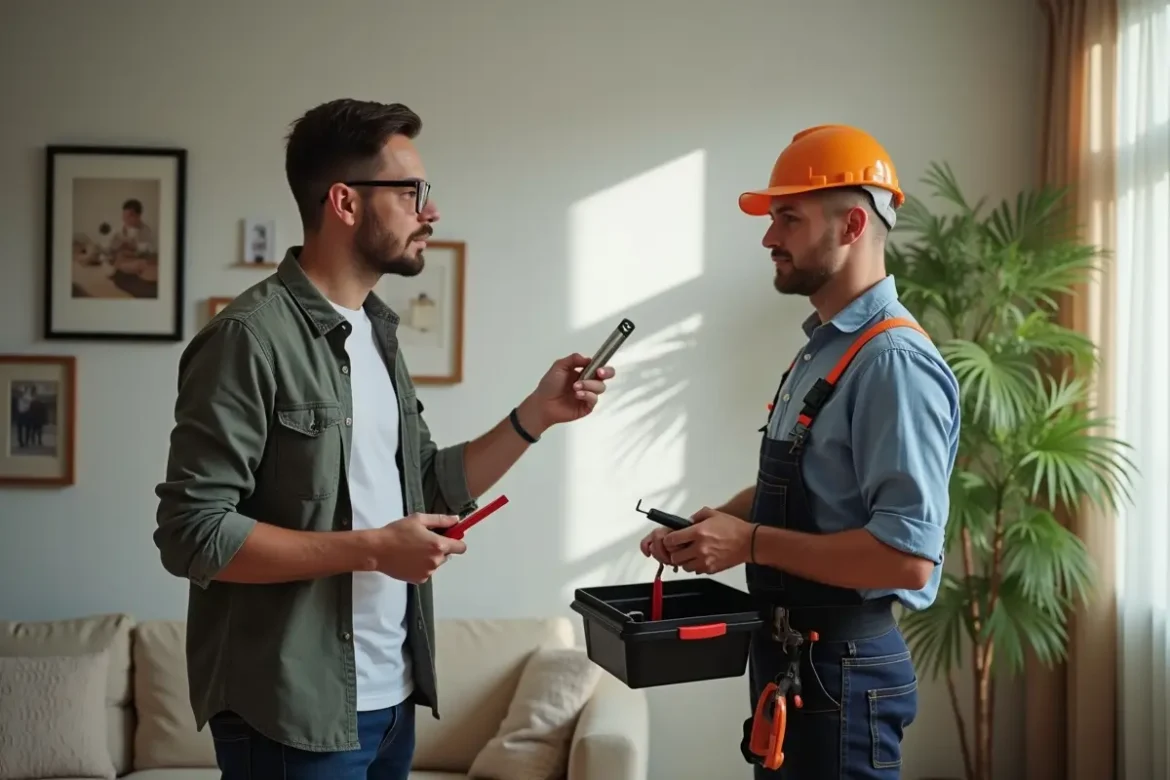
It’s a familiar scene: a leaky faucet, a flickering boiler pilot light, or the urge to knock down a non-load-bearing wall. The immediate thought? “I can probably fix that myself and save some money.” The truth is, tackling home maintenance and renovations can be incredibly rewarding, offering a sense of accomplishment and a lighter wallet.
However, this DIY enthusiasm must be tempered with a healthy dose of realism. Knowing the line between a manageable weekend project and a job that requires a licensed expert is crucial. Crossing that line can lead to costly mistakes, safety hazards, and even structural damage. Choose Blue Bird Roofing for honest service, fast repairs, and long-term protection. From inspections to full replacements, they have your home covered.
This guide will help you confidently assess when to grab your toolbox and when to pick up the phone for a professional in key areas like heating, plumbing, and major renovations.
Contents
Plumbing: The Flow of Savings vs. Flooding Risks
Plumbing issues are perhaps the most common DIY temptation. A dripping tap seems simple, but a burst pipe or a faulty water heater installation can turn a minor inconvenience into an emergency disaster.
When to DIY (Simple Fixes):
- Clogged Drains: Using a plunger, a small hand-auger (snake) for accessible clogs, or commercial drain cleaner (sparingly) is usually fine. For deeper or recurring issues, it may be wise to consider septic system pumping services to prevent more serious blockages.
- Replacing Fixtures: Swapping out a showerhead, a toilet flapper, or a basic faucet is generally straightforward, as long as you can easily access the water shut-off valve.
- Minor Leaks: Tightening a compression fitting or replacing a simple washer in a sink P-trap.
When to Call the Expert (Complex & High-Risk Jobs):
- Water Heater Issues: Problems with a water heater often involve gas lines, electrical components, and pressure relief valves. Incorrect handling can lead to explosions, electrocution, or carbon monoxide leaks. Never attempt to repair or replace a water heater yourself.
- Major Pipe Repairs/Replacements: Anything that involves cutting into walls, soldering copper pipes, or working with the main water supply line requires expertise to ensure proper sealing, prevent future leaks, and maintain water pressure.
- Sewer Line or Septic System Issues: These are messy, complex, and require specialized equipment and knowledge of local codes.
If the job involves connecting or disconnecting major appliances, working with the main water line, or dealing with hidden pipes, it’s safer and more cost-effective in the long run to call in the pros. For reliable, local expertise, companies like 1st American Plumbing have the tools and licensing to handle complex issues correctly the first time.
Heating & Boilers: Keeping Warm Without Getting Burned
Heating, ventilation, and air conditioning (HVAC) systems—especially boilers and furnaces—are complicated machines involving high-pressure gas, electricity, and combustion. The safety risks are significant.
When to DIY (Basic Maintenance):
- Changing Air Filters: This is a crucial, simple task that improves air quality and system efficiency.
- Thermostat Replacement: Upgrading to a modern smart thermostat is often a plug-and-play operation.
- Furnace/Boiler Reset: Following the manufacturer’s instructions for a basic system reset if the pilot light goes out.
When to Call the Expert (System-Critical Work):
- Gas Line Work: Any repair or maintenance involving a gas line is a job for a licensed HVAC technician or plumber. Gas leaks are extremely dangerous and can be lethal.
- Boiler Pressure/Component Repairs: Issues with pressure valves, heat exchangers, or internal boiler components require specialized diagnostic tools and training. Messing with these can lead to system failure or unsafe operation.
- New System Installation: Installing a new furnace, boiler, or heat pump requires precise sizing, venting, and connection to electrical and fuel sources.
The rule of thumb for HVAC is safety first. Unless it’s changing a filter or flipping a clearly marked switch, leave it to the professionals.
Renovations & Structural Work: Building Dreams, Not Disasters
Renovation projects—from minor cosmetic updates to knocking down walls—offer the biggest potential for both savings and catastrophe.
When to DIY (Cosmetic & Non-Structural):
- Painting and Decorating: The classic DIY project!
- Laying Laminate or Vinyl Flooring: These click-and-lock systems are designed for the average homeowner.
- Cabinet Installation: Assembling and hanging new kitchen or bathroom cabinets.
- Minor Drywall Repair: Patching small holes or cracks.
When to Call the Expert (Structural & High-Impact):
- Load-Bearing Wall Removal: Identifying and correctly replacing a load-bearing wall with an engineered beam is a job for a structural engineer and a licensed contractor. Removing the wrong wall can cause your roof or upper floor to collapse.
- Electrical Rewiring: All major electrical work, including replacing a main breaker panel or installing new circuits, must be done by a licensed electrician to ensure code compliance and fire safety. The National Fire Protection Association (NFPA) stresses that only qualified professionals should perform complex electrical installations.
- Masonry and Foundation Repair: Cracks in your foundation, chimney, or brickwork are serious. Masonry is an intricate skill requiring knowledge of mortar, load distribution, and water ingress prevention. A specialist, such as those at Abstract Masonry Repair, can ensure the structural integrity and aesthetic longevity of the repair.
The True Cost of DIY Mistakes
The temptation to save a contractor’s hourly rate often overlooks the true cost of a botched job:
- Safety Risks: This is non-negotiable. Improper electrical, gas, or plumbing work can lead to fires, leaks, carbon monoxide poisoning, or injury.
- Code Violations: Many major repairs and installations (especially electrical and plumbing) require permits and inspections. Unpermitted work may need to be torn out and redone, costing double the original amount, and can complicate selling your home.
- Warranty Voidance: Attempting to fix a malfunctioning new appliance or system yourself will often void the manufacturer’s warranty, leaving you responsible for the full replacement cost.
- Time and Tools: The cost of specialized tools (e.g., pipe threaders, diagnostic meters) and the amount of time required often exceed the cost of professional labor.
Sometimes, even projects that seem non-essential can be complex and require a professional. For example, industrial service work, whether it involves complex machinery or large-scale structural modifications, falls squarely into the expert category. Companies like Blunck Industrial specialize in large, technical projects far beyond the scope of DIY.
Making the Decision: A Simple Checklist
When you’re faced with a home repair, use this simple decision matrix:
| Criterion | DIY (Go For It!) | Call the Expert (Pick up the Phone!) |
| Complexity | Simple, visual adjustments (painting, changing a bulb, clearing a basic clog). | Requires specialty tools, diagnostic meters, or non-visual access (behind walls). |
| Safety Risk | Low-risk (cosmetic changes, minor maintenance). | Involves high-voltage electricity, natural gas, high water pressure, or structural stability. |
| Code/Permit | No permits or inspections are required. | Local building codes or permits are required (e.g., new electrical, moving walls, new water heater). |
| Asset Value | Inexpensive or disposable fixtures/parts. | Main operational systems of the home (furnace, boiler, foundation, main water/sewer lines). |
The Bottom Line
The sweet spot for the savvy homeowner is the informed DIYer. This person knows their limitations, recognizes the serious consequences of structural or system-critical mistakes, and views the contractor’s fee not as an expense, but as insurance against disaster, code violation, and system failure.
For the projects that involve the integrity of your home’s structure or the safe operation of its essential systems (heating, gas, main plumbing), the choice is clear: Call the expert. You’ll save time, reduce stress, ensure safety, and ultimately protect your most valuable investment. For more general advice on home maintenance and repair, you can visit a reputable resource like This Old House for additional guidance.