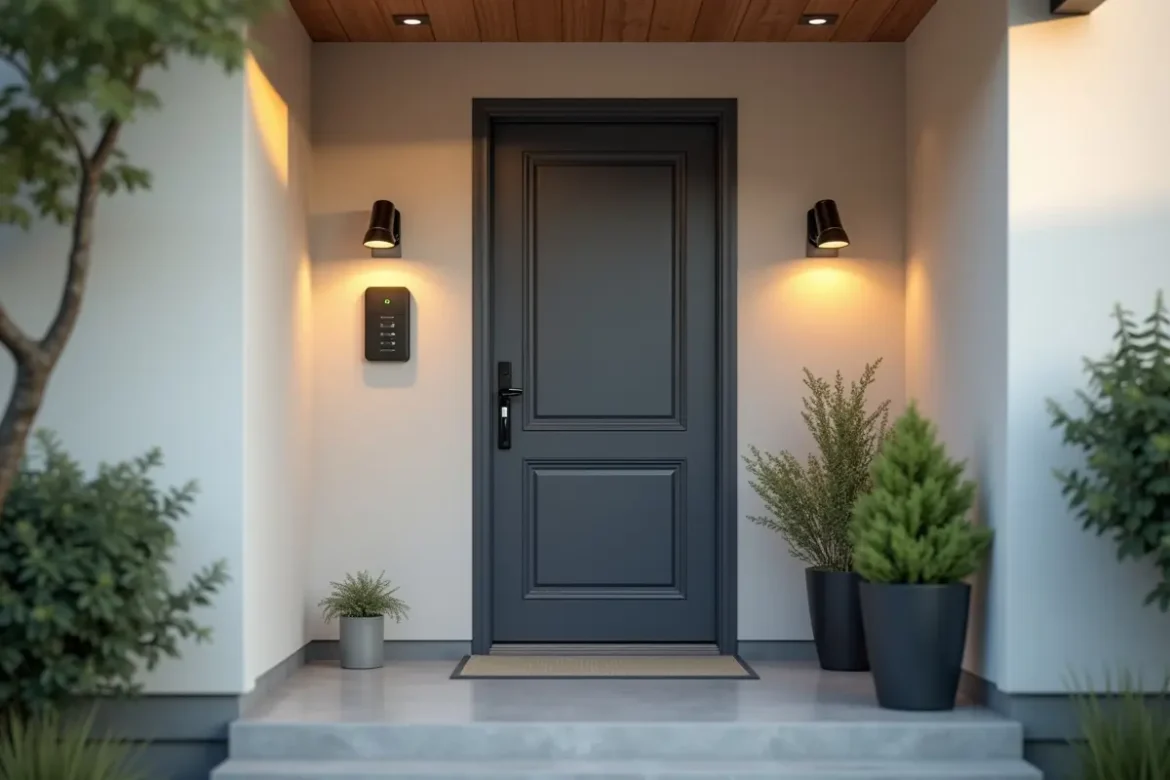
Home security has come a long way since sticking a formidable lock on the front door. Toward 21st century homes are physical and digital threats, from a home invasion to a cyber intrusion. As per FBI (2023), U.S. domestic burglaries reached over 1.2 million, making securing entry points crucial in this country.
At the same time, nearly 60 percent of American homes have more than one internet-connected device, potential vulnerabilities if networks go unprotected. A balanced strategy marries strong physical barriers with digital protections and smart habits. Homeowners who are looking to make upgrades or renovations can also look into mortgage programs offered by LBC Mortgage to help fund security enhancements. Knowing how each layer of security works can enhance the security of your home, devices and family.
Contents
Securing Entry Points: Doors, Windows, and Locks
The most vulnerable point of entry is still the front door. According to the U.S. Department of Justice, 34% of burglars enter through the front door. It is drastically decreased by solid-core doors, backed up frames and quality deadbolts. Contemporary locks even come with bump-resistant and pick-resistant options for an added defense against break-ins.
Windows tend to be overlooked but are particular weaknesses, particularly on the ground floor. Laminated glass or shatter-resistant films can also discourage break-ins. Securing glass doors and sash windows sliding glass doors: These can be protected with bars, pins or track that prevents them being both lifted and slid. Window sensors that sound an alarm when glass is broken or suddenly opened are even helpful in older homes.
The locks and hinges need to be maintained properly. Security can deteriorate over time due to weather and wear and tear. Homeowners should periodically inspect doors and windows, tighten loose screws and replace worn parts. It takes very little effort to maintain the site which stops small issues snowballing into a security catastrophe. Home security is all about physical reinforcement and awareness.
Smart Home Security Systems: Sensors, Cameras, and Automation
Security cameras today are more than just preventative — they offer real-time monitoring. A twenty four ADT study found that homes with outdoor cameras are 60% less likely to be a target. Security cameras with motion sensors can capture suspicious activity and send alerts to homeowners, in real time. Some even have live-streaming and can be watched remotely on a smartphone or other device.
Smart systems can also turn on lights, locks and alarms to give the impression you’re home even when you are not. Automatic alerts tell homeowners when there is unusual activity, such as doors opening late at night. Works with voice activated assistants or smart home hubs for easy control and enhanced security.
Professional Monitoring vs. DIY Systems
Professional monitoring services will respond to emergencies 24/7, while DIY systems are less expensive and more adaptable. Statistics show that a home with any kind of monitored security system is far less likely to be broken into than one without. Which system is right for you depends on level of risk you can tolerate, level of control that’s important to you, and budget. Key security system considerations include:
- Type of monitoring: professional 24/7 vs. DIY self-monitoring for flexibility and cost management.
- Coverage areas: doors, windows, garage, and outdoor spaces to maximize protection.
- Integration: smart home compatibility, cameras, sensors, and alarms for seamless operation.
- Budget and maintenance: installation costs, subscription fees, and equipment upgrades.
- User control: alerts, remote access, and emergency response preferences.
Protecting Your Network: Internet and Connected Devices
Cybersecurity is crucial as more devices are accessing home Wi-Fi. Last year, 43% of American households suffered at least one cyberattack per annum, according to a 2023 Cybersecurity Ventures report. Unsecured routers and passwords of poor quality make smart locks, cameras, and data vulnerable to hackers.
Modifications such as updating default passwords, creating strong credentials and implementing MFA are simple yet effective steps. These are steps that make it significantly more difficult for attackers to access devices without authorization. Continuous firmware and software updates make it harder for attackers to take advantage of loopholes.
By having separate networks for your work devices and entertainment, as well as smart home appliances, if one of them gets owned, the other is relatively safe. An attack against a single device doesn’t directly become an exploit throughout the network. Network segmentation, when used in conjunction with VPNs and firewalls, adds another layer of protection on the digital side of home security.
Practical Habits for Everyday Home Safety
Many security problems could be avoided if simple daily habits were employed. It may sound like a very basic thing, but securing doors and windows, putting on alarms for the nights, to making sure the cameras work are things that often get skipped. Research has also indicated that families with routines have experienced fewer incidents compared to those without.
Reduced risk is achieved by managing access for guests and delivery workers. Video doorbells and secure parcel lockers let homeowners keep an eye on who is coming in and out, so as to avoid theft or unauthorized entry. Civil dialogue with trusted neighbors about concerning activity may also increase watchfulness in the area.
There is more to preparedness than locks and alarms. It is possible that safety first aid knowledge, the presence of fire extinguishers and emergency evacuation plans may reduce injury risk. Preventative measures are enhanced by adding preparedness practices to increase overall home safety and reduce reaction time in the event of trouble.