A garage door is one of the largest moving systems in a home, warehouse, shop, or multifamily property. It may open and close without obvious trouble while its rollers, hinges, cables, springs, or opener are already wearing down. For property owners who need help with larger systems or urgent faults, Commercial Garage Door Repair can be an appropriate service category to consider when the issue goes beyond routine maintenance.
Regular care does not mean taking apart the door or attempting difficult adjustments. It means noticing changes, keeping the operating path clear, and knowing when to stop using the door. A repeating roller noise, for example, may seem minor, but the added friction can force the opener and other moving parts to work harder over time.
Why Garage Door Care Deserves A Regular Schedule
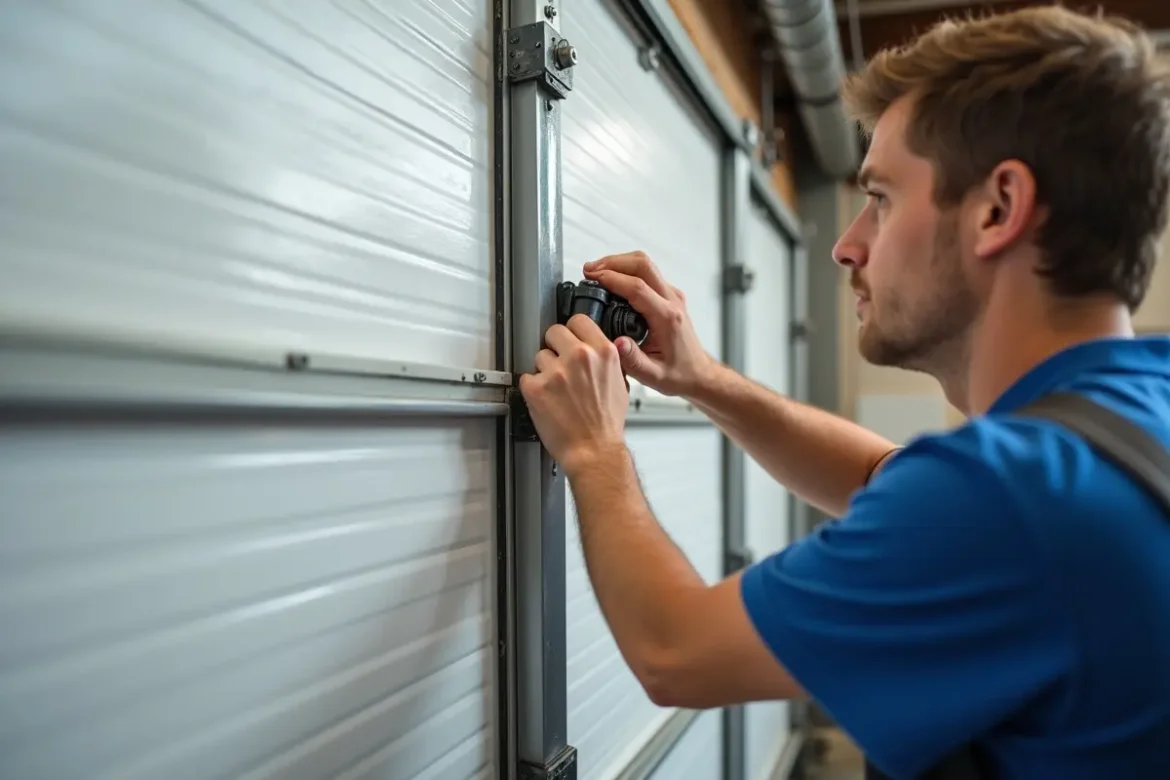
Every opening and closing cycle puts stress on the counterbalance system and hardware. Springs help lift the door; cables work with the springs; rollers guide movement; and tracks keep the door aligned. Hinges allow sectional doors to bend as they travel. The opener provides automatic movement, while safety sensors help detect objects in the path of the closing door. The bottom seal also matters because it helps limit drafts, water, dust, and pests.
Knowing the basic parts makes it easier to describe a problem accurately.
A Simple Monthly Safety Check
- With the door closed, visually inspect the springs, cables, rollers, hinges, brackets, and tracks. Look for fraying, cracks, rust, loose hardware, or anything out of place.
- Remove tools, bicycles, toys, leaves, and other objects from the travel path.
- Wipe the safety sensor lenses with a clean, soft cloth. Make sure both sensors are aligned and their indicator lights appear normal.
- Test the opener’s auto-reverse feature according to the manufacturer’s instructions, using a solid, harmless object placed on the floor beneath the door.
- Watch the full opening and closing cycle. Listen for new grinding, scraping, popping, rattling, or rumbling sounds.
- Stop using the automatic door if it slams, falls, binds, shakes heavily, or moves unevenly.
Never place hands, feet, pets, or children under a moving garage door. Sensors and auto-reverse features are important safeguards, but they do not replace supervision. Pinch points, falling doors, and high-tension components can create serious risks when a system is damaged or improperly adjusted.
How To Reduce Noise And Vibration
Some motor and rolling noise is normal. Sudden scraping, loud pops, metal-on-metal grinding, or a repeating click is not. Start by clearing loose debris from the tracks, but do not coat the inside of the tracks with grease. Grease can collect dirt and interfere with smooth travel.
Use a garage-door-specific lubricant on approved moving metal parts, such as hinges and certain rollers. Tighten visibly loose nuts and bolts if they are accessible and not connected to the spring system. Do not adjust the spring tension to solve the noise. Worn rollers, damaged hinges, loose track hardware, or an unbalanced door often need a professional inspection.
Seasonal Maintenance For 2026
Spring And Summer
- Inspect the bottom seal for cracking, flattening, or heat damage.
- Check the door after heavy wind, hail, or storms for bent tracks, damaged panels, and loose brackets.
- Clean sensor lenses more often when pollen, dust, or yard debris accumulates.
Fall And Winter
- Look for gaps around the bottom and sides that allow cold air, moisture, or pests inside.
- Keep snow, ice, salt, and packed debris away from the bottom edge.
- Do not force a frozen door with the automatic opener. Free the obstruction first or call for service.
- Pay attention to changes in balance, sealing, and movement during temperature swings.
Warning Signs That Need Prompt Attention
Schedule service promptly when the door hangs lower on one side, reverses before reaching the floor, closes only while the wall button is held, or barely moves while the opener runs. Other urgent warning signs include a spring that has separated, a frayed cable, a cable that has slipped from its drum, track binding, burning smells, or severe shaking. Daylight, water, or pests entering through the bottom of the door may indicate a failed bottom seal or an alignment issue.
What Homeowners Can Do And What They Should Not
Reasonable Home Maintenance
- Replace remote-control batteries and keep the door path clear.
- Clean sensor lenses and inspect visible hardware.
- Wash the exterior, check weather seals, and use a suitable lubricant on approved parts.
Work Best Left To A Professional
- Replacing or adjusting torsion and extension springs.
- Repairing loose, frayed, or damaged cables.
- Putting a door back on track or correcting major alignment problems.
- Changing opener force, travel, or counterbalance settings without proper testing.
- Repairing bent supports or severely damaged door panels.
Repair Or Replacement: How To Decide
Replacement is not always necessary. A repair can be sensible when the door panels remain sound and one component, such as a roller, hinge, seal, or opener part, has worn out. Consider replacement when failures keep returning, several major components need work, panels are badly cracked or rusted, weather resistance is poor, or the combined repair cost approaches the cost of a new system.
Budgeting For A Garage Door Tune-Up
A professional tune-up typically includes inspection, lubrication, hardware checks, balance testing, and safety testing of sensors and openers. Request a written list of recommended repairs before approving extras. Door size, access, local labor rates, and replacement parts affect the total. Current consumer cost data from Angi’s garage door tune-up cost guide shows that many professional tune-ups cost between $100 and $240, with additional repairs priced separately.
Questions To Ask Before Hiring A Technician
- What did the inspection find, and which repairs are urgent?
- Which items can safely wait?
- Are labor and replacement parts listed separately?
- Will the safety sensors and auto-reverse function be tested after service?
- Is the work and replacement part covered by a written warranty?
Closing Perspective
Garage door care does not require a complicated routine. A few minutes of monthly observation, seasonal cleaning, and prompt attention to new sounds or changes in operation can help prevent many avoidable disruptions and extend the system’s life. Regularly checking rollers, hinges, weather seals, and safety sensors can also improve performance and identify minor issues before they become expensive repairs.
While homeowners can handle basic maintenance, repairs involving springs, cables, track alignment, or opener adjustments should be left to trained professionals because these components can pose significant safety risks. A consistent maintenance routine, combined with qualified service when needed, helps keep the garage door operating safely, smoothly, and reliably throughout the year.