When it comes to safeguarding your home and enhancing its curb appeal, the roofing material you select makes all the difference. Understanding the different roofing types, along with their benefits and requirements, is essential for any homeowner planning a new roof or a replacement. The wealth of options out there, from traditional shingles to innovative eco-friendly solutions, can seem overwhelming, but careful consideration of your needs streamlines the process.
Each roofing material offers a blend of aesthetics, performance, and cost that can significantly influence your home’s value and comfort. With climate, budget, style, and long-term maintenance in mind, exploring the key attributes of each material is crucial. Whether you are concerned about initial pricing, lifespan, or sustainability, comparing the top choices can help you make an informed decision that protects your home while reflecting your personal taste.
The following guide demystifies the most common roofing materials, outlining their unique strengths and considerations. This overview will help ensure you select a structurally sound, visually appealing, and lasting solution for your property.
Contents
Asphalt Shingles
Asphalt shingles remain the leading choice for residential roofs across the United States, accounting for about 70% of installations. Their broad appeal lies in an economical price point, straightforward installation, and a range of colors and styles to suit virtually any home design. However, asphalt shingles generally have a shorter lifespan, typically lasting 20 to 25 years. Their popularity stems from a balance of affordability and performance, but homeowners should be prepared for eventual replacement sooner than with some other materials.
Metal Roofing
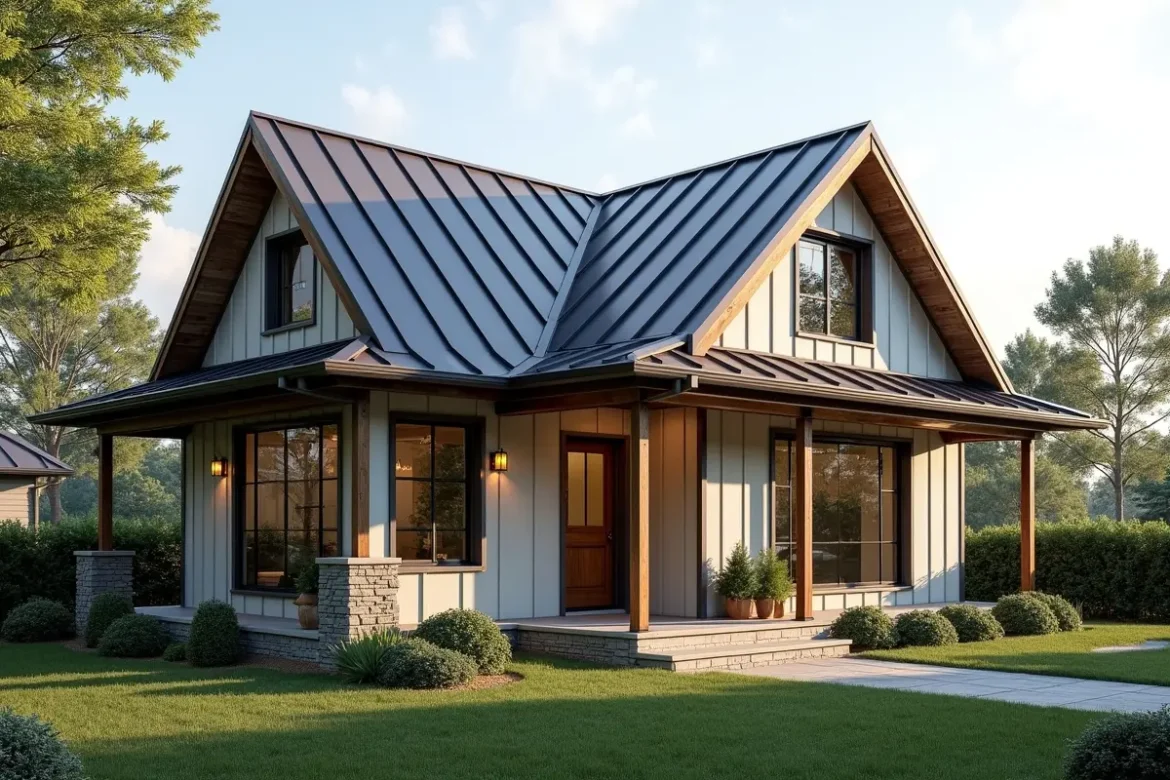
Metal roofing is favored for its remarkable longevity, resilience, and energy efficiency. Made from materials such as aluminum, steel, or copper, metal roofs can last anywhere from 40 to 70 years with minimal maintenance. They excel at reflecting solar heat, helping lower cooling costs during hot weather. While the upfront investment is higher than that of asphalt shingles, the extended lifespan and reduced utility costs make metal a sound investment for many homeowners. For more details on durability and weather performance, see this comprehensive review.
Tile Roofing
Tile roofing, constructed from clay or concrete tiles, is prized for its attractive, Mediterranean-inspired aesthetics and longevity. These roofs can last 50 to 100 years and are highly resistant to fire and heat, making them popular in hot or wildfire-prone regions. Tile is significantly heavier than most other roofing materials, often requiring extra structural support to ensure proper installation, which can increase project costs. Tile roofs are recognized for their durability and classic charm, but are best suited for homes that can accommodate additional weight.
Slate Roofing
Slate roofing is considered the pinnacle of elegance and durability. This natural stone material delivers a refined appearance and stands the test of time, with roofs commonly lasting over 100 years when properly maintained. Slate is naturally fire-resistant and environmentally friendly. However, it is one of the most expensive options available and requires a reinforced roof structure due to its considerable weight. The unmatched longevity and classical style of slate make it a premium choice for those willing to invest in lasting beauty and performance.
Wood Shingles
Wood shingles and shakes add a natural, rustic touch to residential homes and are typically made from cedar or similar decay-resistant woods. They provide good insulation and, if maintained correctly, can last around 25 years. However, wood roofs require regular maintenance to prevent weathering, rot, mold, or insect infestations. They may also be restricted in regions with strict fire codes, as untreated wood is highly flammable. For historically styled homes or those in forested environments, wood offers unmatched charm but with added upkeep.
Composite Roofing
Composite roofing represents a blend of materials such as fiberglass, recycled plastics, paper, and asphalt. These engineered shingles are designed to replicate the appearance of slate or wood while providing increased weather resistance and reduced maintenance needs. Composite materials are lightweight, making them compatible with most roof structures. Their durability and ease of installation provide a happy medium for homeowners seeking classic styles with contemporary advantages.
Eco-Friendly Options
For those prioritizing sustainability, eco-friendly roofing offers innovative solutions such as green roofs and solar shingles. Green roofs involve cultivating vegetation on rooftops, improving insulation, and contributing to stormwater management. Solar shingles feature photovoltaic cells that generate electricity for the household, blending energy generation with roof protection. Although the initial investment for these advanced systems is higher, the long-term energy and environmental savings are noteworthy benefits.
Choosing the Right Material
Deciding on the best roofing material involves weighing factors such as your home’s local climate, overall budget, maintenance preferences, architectural style, and structural requirements. Consulting an experienced roofing contractor can provide insights tailored to your unique situation, ensuring compliance with local building codes and maximizing the return on your investment.
Prioritizing longevity, appearance, and efficiency will result in a roof that enhances comfort and value for many years to come. By selecting the right roofing material, you can achieve a look that fits your vision and a roof that withstands the elements, providing peace of mind for years to come.
Conclusion
Choosing the right roofing material is an important investment that impacts your home’s appearance, durability, energy efficiency, and long-term value. From the affordability and versatility of asphalt shingles to the exceptional lifespan of slate and the energy-saving benefits of metal roofing, each option offers unique advantages depending on your needs and budget. Homeowners should carefully consider factors such as climate, maintenance requirements, structural support, and aesthetic preferences before making a final decision.
Whether you prioritize classic curb appeal, sustainability, low maintenance, or maximum durability, there is a roofing solution that fits your goals. Consulting with an experienced roofing professional can help ensure the material you choose provides reliable protection and complements your home’s architectural style. With the right roofing system in place, you can enhance your property’s comfort and value while gaining long-term peace of mind.