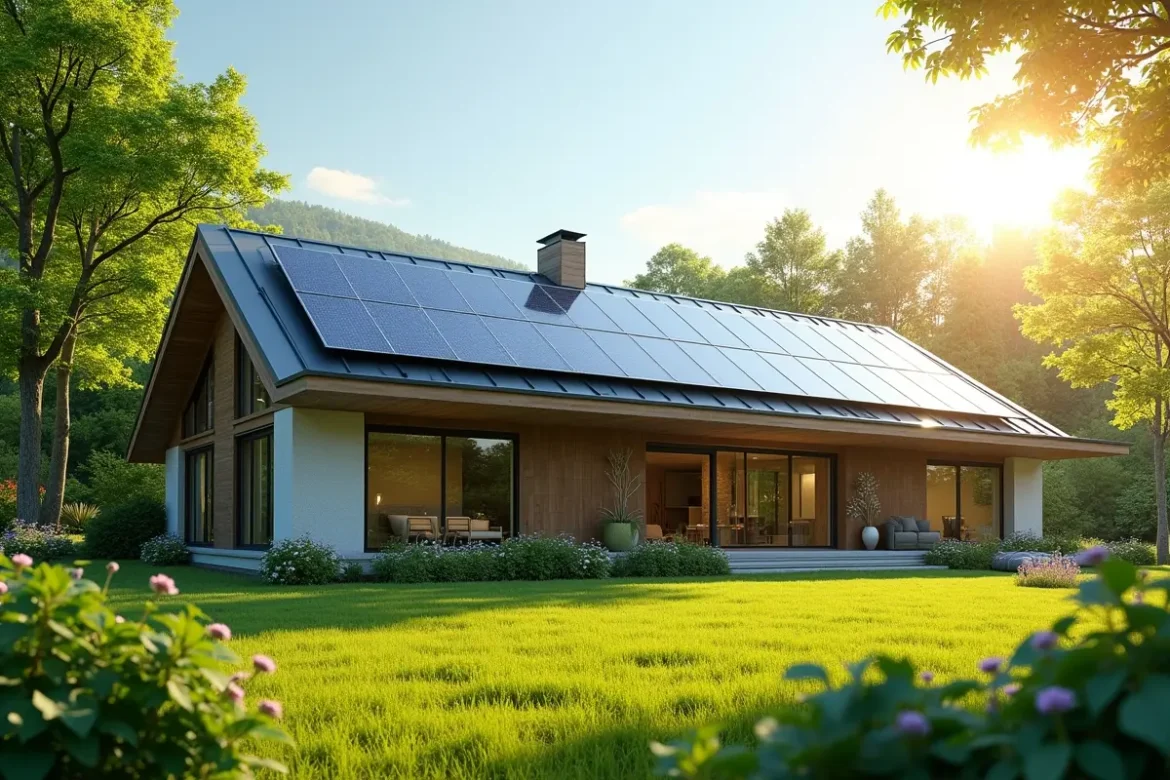
Solar energy is transforming what it means to live sustainably. Homeowners today are not only seeking ways to reduce their carbon footprint but also looking for cost-effective, long-term energy solutions that enhance day-to-day living. Advancements in solar technology have enabled more people to enjoy reliable, clean power right from their rooftops.
As the solar industry evolves, understanding how these innovations apply to modern homes becomes essential for anyone considering this renewable energy source. Learn more about how solar is changing residential living.
Modern solar solutions accommodate diverse residential energy needs, moving beyond traditional rooftop panels to include home batteries, smart energy systems, and efficient inverters, promoting a seamless clean energy experience. The adoption of these technologies is driven by both environmental considerations and economic advantages, supported by expanding solar incentives across various regions.
Evolving building codes and sustainability standards facilitate smoother, cost-effective transitions to solar energy for homeowners and developers. Furthermore, advancements in solar technology enhance efficiency and accessibility, enabling homes in less-than-ideal sun conditions to benefit from improved panel sensitivity and battery storage. As a result, solar power is increasingly becoming a mainstream choice for residential energy solutions.
Solar Energy Basics
Solar technology centers on photovoltaic (PV) panels that convert sunlight into electricity. These panels generate direct current (DC), which is then converted to alternating current (AC) by an inverter, making it suitable for household appliances. The process is not only efficient but also eliminates greenhouse gas emissions associated with fossil fuels. Solar power’s reliability and renewability underpin its growing role in the push for greener, more resilient homes.
Advancements in Solar Technology
Innovations within the solar sector have led to dramatic improvements in panel efficiency, energy storage, and system lifespan. Next-generation panels can now exceed 20 percent efficiency, meaning more energy can be captured even on days with limited sunlight.
In addition, evolving battery storage technology allows homeowners to tap into stored power during evenings or outages, enhancing overall resilience. With battery costs decreasing and incentive programs expanding, solar-plus-storage solutions are becoming commonplace in neighborhoods across the country.
Integrating Solar with Home Energy Systems
Connecting a solar array to a home’s energy system typically involves syncing panels with smart home devices and robust management software. These integrations enable real-time tracking of production and consumption, providing valuable insight into usage patterns and opportunities for additional savings.
For example, modern monitoring applications let users monitor battery health, optimize when appliances run, and sometimes even sell excess energy back to the grid. Smart homes equipped with solar are not only greener but also provide greater energy security and independence.
Economic Benefits of Solar Energy
Solar installations often reduce or eliminate monthly electricity bills, providing long-term savings for homeowners. Many jurisdictions also offer lucrative incentives, such as federal tax credits, state rebates, and net metering policies that make initial investments more accessible. Besides lower bills, solar installations can increase a home’s value and curb appeal.
According to the National Renewable Energy Laboratory, homes with solar panels tend to sell faster and at higher prices than those without, making them a sound financial investment even before factoring in monthly savings on bills.
Environmental Impact of Solar-Powered Homes
By reducing reliance on fossil fuels, solar-powered homes help decrease greenhouse gas emissions, thus playing a crucial role in fighting climate change. The use of decentralized, renewable energy also helps reduce transmission losses and eases pressure on the conventional grid, improving both local and national energy resilience. These benefits amplify the impact that even a single household can have on the broader sustainability effort.
Future Trends in Residential Solar Energy
The next phase of solar adoption is focused on deeper integration with electric vehicles, smarter energy grids, and even peer-to-peer energy sharing between neighbors. Technologies such as advanced home management dashboards are expected to further streamline the process, giving homeowners unprecedented control over their energy usage and sustainability strategies. As smart home adoption grows, so does the scope of what solar energy can accomplish in residential settings.
Challenges and Considerations
While solar technology offers compelling advantages, some barriers remain. Initial installation costs, variations in local incentives, and the physical limitations of certain rooftops may affect a home’s suitability for solar.
Homeowners should discuss feasibility with reputable installers, review local solar maps, and assess potential costs and returns before committing to a system. The Department of Energy advises conducting a site assessment and comparing quotes from multiple installers to ensure the best outcome.
Conclusion
Solar energy stands out as one of the most promising approaches to powering homes of the future. Through continuous innovation, improved affordability, and easier integration with smart technologies, solar is set to become a universal solution for homeowners seeking independence and sustainability. As more households make the switch, the combined impact on cost savings, property value, and environmental stewardship will continue to be transformative for communities everywhere.