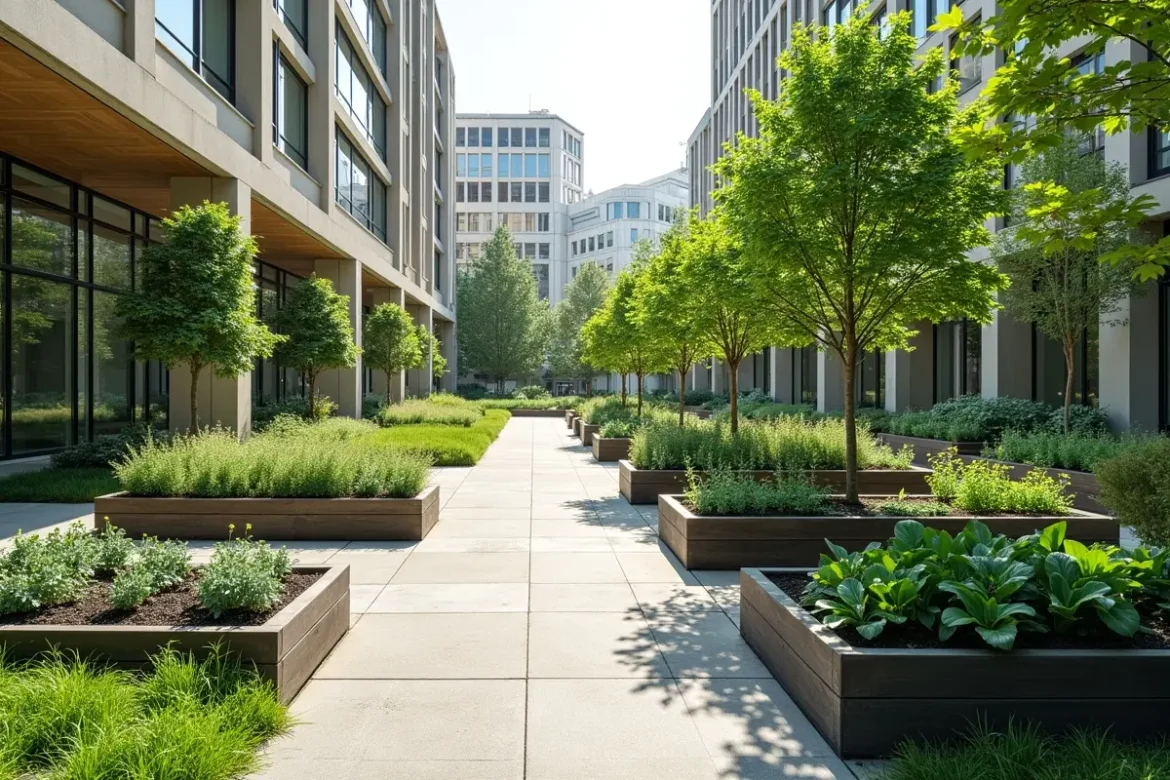
The landscape of modern commercial spaces is rapidly transforming as property managers and business owners seek inventive ways to blend beauty, efficiency, and environmental responsibility. By adopting new design philosophies and embracing advancements in horticulture and technology, businesses are not only boosting curb appeal but also reinforcing their commitment to greener practices. For organizations seeking to enhance their outdoor environments, landscaping Ponte Vedra Beach FL, combines expertise in innovation and sustainability to address the unique needs of today’s commercial landscapes.
These innovative approaches extend far beyond visual improvements; they serve practical purposes such as improving employee wellness, enhancing customer perceptions, and reducing maintenance costs through smarter resource use. As the industry evolves, so do the ways companies design and manage their green spaces, with a strong focus on environmental stewardship, technology integration, and the creation of multifunctional areas. Commercial landscaping is now seen as a vital element of a brand’s public image and overall business strategy.
Contents
Smart Technology Integration
Integrating advanced technology into landscape design and maintenance has become a game-changer for commercial properties. Smart irrigation systems, for example, use real-time weather data and soil moisture sensors to dynamically adjust watering schedules, drastically reducing water waste and costs while supporting lush, healthy plant growth.
Additionally, energy-efficient outdoor LED lighting can automatically adjust to changing light levels via motion sensors, providing security and ambiance while achieving significant energy savings. By implementing these tools, property managers gain remote control over essential landscape operations, ensuring optimal results with minimal environmental impact.
The adoption of green technologies not only offers direct benefits to businesses but also contributes to wider sustainability goals set by municipalities and regulatory agencies. Enhanced efficiency and lower resource consumption position organizations as community leaders in environmental stewardship.
Designing for All Seasons
Ensuring that commercial landscapes maintain their charm year-round is essential for lasting visual impact. Thoughtful inclusion of evergreens offers structure and greenery in winter, while deciduous trees and perennials provide dynamic color changes throughout spring, summer, and fall.
Seasonal rotation beds, where flowering annuals are swapped out based on bloom times, can keep landscapes vibrant and fresh, inviting customers and visitors year-round. Non-plant elements such as sculptural boulders, architecturally interesting planters, and rotating art installations help maintain visual interest even in dormant seasons.
Strategic planning for all seasons demonstrates attention to detail and dedication to creating a welcoming atmosphere, no matter the time of year, thereby positively influencing both client satisfaction and property value.
Edible Landscaping
Edible landscaping is a growing trend that combines aesthetic pleasure with practical utility. By incorporating edible plants into the landscape, commercial spaces can foster community engagement and promote sustainability. This ‘foodscaping’ practice appeals to eco-conscious tenants and employees, who appreciate access to fresh ingredients and the educational opportunities these landscapes provide. For instance, raised beds of kale, basil, or cherry tomatoes double as visually interesting features and healthy amenities.
Edible landscaping can also support on-site wellness initiatives and sustainable sourcing, aligning with the increasing demand for transparency and green business practices.
Vertical Gardens and Living Walls
The rise in urban density has pushed landscape designers to think vertically, leading to an explosion of green walls and living façades in city settings. These structures pack plant life into underutilized spaces, turning bland walls into focal points that purify air, dampen noise, and insulate buildings. Living walls have proven benefits such as lowering indoor temperatures and improving occupant well-being. They also serve as high-impact branding assets for companies seeking to highlight their sustainability efforts.
Outdoor Workspaces and Wellness Areas
The post-pandemic move towards hybrid work has driven demand for versatile outdoor environments. Modern commercial landscapes are now designed with flexible outdoor offices, communal gardens, and wellness areas that prioritize comfort, connectivity, and productivity. Shaded seating areas offer protection from the elements while integrated Wi-Fi and charging stations enable seamless workflow. Design features like pergolas, acoustic plant screens, and interactive gardens create inviting, peaceful refuges for both work and relaxation.
Prioritizing wellness in commercial environments has a measurable impact on employee satisfaction and performance, turning outdoor spaces into true business assets.
Sustainable and Water-Efficient Solutions
Sustainability is at the heart of modern commercial landscaping. With water scarcity concerns growing in many regions, contemporary irrigation systems now use predictive data and moisture sensors to avoid waste, delivering just the right amount of water at the right times. Selecting drought-tolerant plants and minimizing turf areas further decrease water consumption, while implementing mulches and rain gardens fosters resilience. These practices lower maintenance requirements, reduce operating costs, and foster positive community relationships.
Companies adopting sustainable landscape solutions align with best practices advocated by leading environmental organizations and improve their standing with stakeholders who prioritize social responsibility.
Biodiversity and Native Plantings
Planting combinations that emphasize biodiversity and native species grant landscapes ecological resilience and low-maintenance beauty. Native plants are adapted to local conditions, needing fewer resources and less care than exotics. By including pollinator-friendly species such as milkweed, coneflower, and bee balm, commercial spaces provide vital habitats for bees, butterflies, and birds. This supports broader ecosystem health while adding life and motion to the property.
Prioritizing biodiversity ensures the landscape can withstand pests and climate change, contributing to long-term sustainability.
Conclusion
Today’s commercial landscapes are a dynamic blend of form, function, and environmental responsibility. By adopting technology, implementing all-season plantings, edible and vertical gardens, and committing to sustainability and biodiversity, businesses create outdoor environments that benefit both people and the planet. By partnering with knowledgeable providers and staying on top of industry trends, organizations can transform their properties into vibrant, productive, and future-ready spaces.