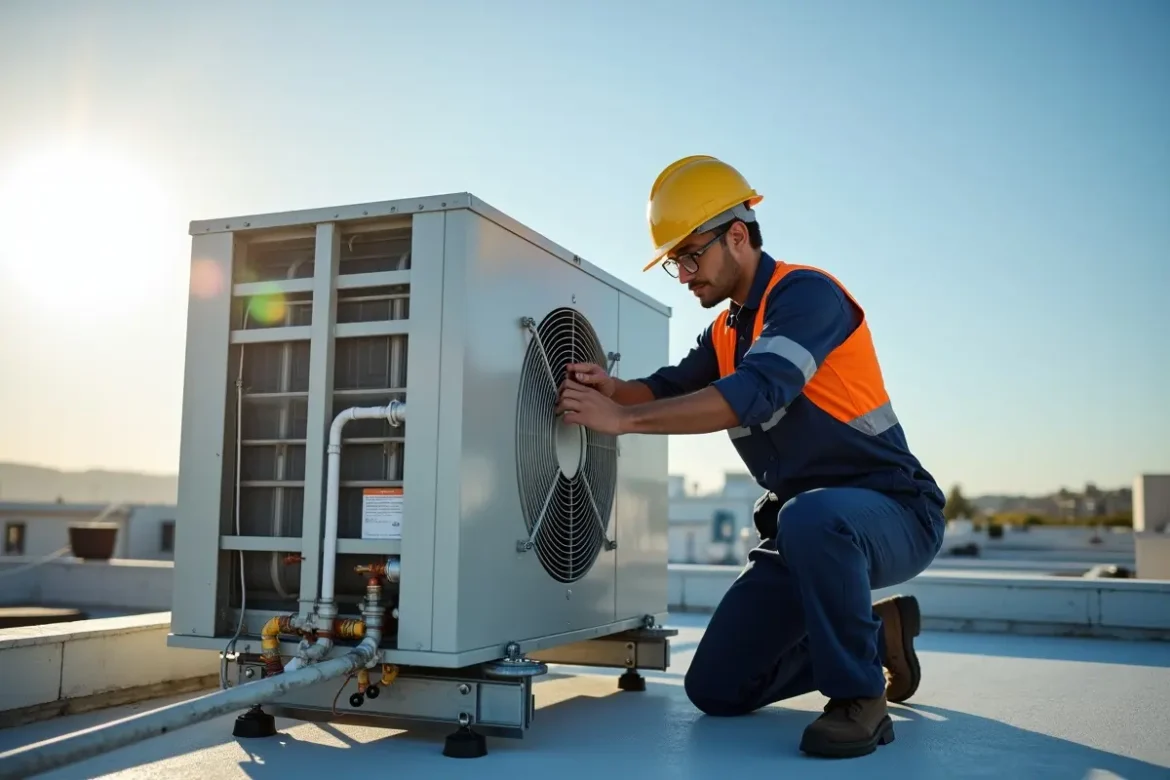
Consistent, professional maintenance is one of the best investments you can make to prolong your HVAC system’s life. By scheduling annual tune-ups, you allow technicians to catch minor problems early, adjust system components, and keep everything running smoothly. These tune-ups help your system operate efficiently, reduce the risk of unexpected breakdowns, and ensure comfort year-round. When searching for a qualified HVAC contractor North Carolina, look for professionals with strong reviews and certifications.
Not only does regular maintenance boost performance, but it also supports indoor air quality by keeping components clean and calibrated. During these visits, technicians clean coils, check refrigerant levels, and inspect electrical connections, preventing minor issues from becoming costly repairs.
Timely Filter Replacements: Ensuring Optimal Airflow
Replacing your HVAC filter regularly is another practical step for system longevity. Dirty filters restrict airflow, forcing your equipment to work harder and increasing energy consumption. For most households, inspecting filters every month and changing them every one to three months is optimal, especially in homes with pets, smokers, or anyone sensitive to allergens. Clean filters prevent dust buildup on internal parts, helping ensure a consistent temperature and reducing the likelihood of malfunctions.
In addition to comfort, regular filter changes support your respiratory health. According to the U.S. Environmental Protection Agency, using high-quality filters can effectively remove pollutants that trigger allergies and asthma, making your living environment healthier.
Keeping Outdoor Units Clear: Promoting Efficient Operation
The outdoor unit of your HVAC system requires consistent airflow for peak efficiency. Inspect the area around your unit, ensuring there is at least two feet of clearance on all sides. Regularly remove leaves, branches, grass clippings, and other debris that can block vents and restrict airflow. Routine attention protects your system from overworking, helps prevent overheating, and allows your system to cool your home more efficiently year-round.
Neglecting the outdoor unit can cause your entire HVAC system to struggle, resulting in higher electricity bills and more frequent service calls. Covering these basics creates a foundation for years of efficient operation.
Utilizing Smart Thermostats: Enhancing System Efficiency
Modern smart thermostats offer significant advantages for both comfort and energy savings. These devices allow you to program temperature settings based on your daily routine, reducing system cycling when you’re asleep or away. Some smart thermostats even provide maintenance reminders and data reports, and they integrate with your smartphone for remote control. Consistently using a smart thermostat can reduce the load on your HVAC system and improve efficiency, ultimately extending its service life.
According to recent findings from Wirecutter at The New York Times, smart thermostats can deliver significant energy savings for households that use them properly, especially during peak heating and cooling seasons.
Improving Home Insulation: Reducing System Strain
Proper insulation makes it easier for your heating and air conditioning to maintain comfortable temperatures. Evaluate insulation in attics, crawl spaces, and walls to reduce heat transfer and minimize climate loss. Effective insulation means your HVAC system will run less often and for shorter periods, thereby extending its usable life. Additionally, sealing gaps and cracks around windows, doors, and entry points prevents drafts and keeps conditioned air inside.
Managing Indoor Humidity: Maintaining Comfort and Efficiency
Balanced humidity is crucial for comfort and protecting HVAC components. High humidity makes cooling harder, while extremely dry air increases demand on your heating system. In summer, consider using dehumidifiers to manage moisture, and in winter, a humidifier can prevent your furnace from running excessively. Both methods lighten the workload on your HVAC system and contribute to a healthier indoor environment.
Using Ceiling Fans: Assisting Air Circulation
Ceiling fans are a simple yet effective way to support your HVAC system. In warm months, set fans to spin counterclockwise to create a cooling effect, allowing you to raise your thermostat a few degrees without sacrificing comfort. During winter, switch the rotation direction to push warm air downward, keeping rooms more evenly heated. Using fans to circulate air helps your main HVAC system maintain ideal temperatures with less effort.
Installing Surge Protectors: Safeguarding Electrical Components
Unexpected power surges can damage sensitive electrical components in your HVAC system. Installing a whole-home surge protector is a wise investment that offers protection not just for your HVAC system, but also for all the appliances and devices in your home. These devices minimize the risk of costly electrical damage, prolonging the lifespan of your most essential equipment.
Final Thoughts
Implementing the right strategies can significantly extend your HVAC system’s lifespan, allowing you to enjoy efficient climate control for years to come. By focusing on regular maintenance, keeping filters clean, managing airflow both outdoors and indoors, and investing in smart technology, you protect your system and your investment. In addition, proper insulation, balanced humidity, the use of ceiling fans, and electrical surge protection work together to improve performance and save money over time. These practical steps help ensure your home remains comfortable and your HVAC system remains reliable.