As modern residential architecture constantly adapts to new lifestyles and technologies, it’s clear that today’s homes are about more than shelter. Homeowners are seeking personalized comfort, sustainable features, and intuitive layouts that make life easier and more enjoyable. Whether you’re planning a renovation, building new, or simply updating your interior, emerging design trends help create appealing spaces that stand the test of time. Local expertise from an architects Merion, PA, ensures that these trends are implemented beautifully and functionally.
These innovations blend creativity with convenience, offering solutions that are both stylish and practical. From the warmth of natural materials to the convenience of smart technologies and the vitality of biophilic touches, each trend plays a crucial role. As homes evolve into flexible, functional spaces tailored to their residents, thoughtful design now shapes not just how homes look, but how they feel and function every day.
Contents
Embracing Natural Materials and Textures
Today’s residential design gravitates toward authentic materials, creating homes that feel warm, inviting, and grounded. High-quality woods, natural stones, and even hand-crafted ceramics are replacing synthetic, mass-produced surfaces. Designers are turning to materials like bouclé—a nubby, tactile fabric—for accent pieces, lending both visual and sensory appeal to modern interiors.
Velvet furnishings continue to make a statement, especially in jewel tones such as emerald and sapphire, bringing a level of luxury and richness. These choices exemplify the move toward “warm minimalism,” where sleek lines meet the depth and variation of natural surfaces. This mix brings a soothing, comfortable character that stands apart from colder, sterile spaces often seen in past decades.
Natural elements also minimize environmental impact when chosen responsibly, contributing to sustainability and supporting healthier indoor air quality. The textural variation—think exposed beams, stone accent walls, or layered textiles—adds subtle sophistication without overwhelming a space.
Flexible and Open-Concept Layouts
The open floor plan has become a signature feature of the modern home, seamlessly connecting living, dining, and kitchen spaces. This shift away from closed-off rooms reflects today’s busy, interactive lifestyles, where entertaining, relaxing, and working can all flow together. Flexible designs enable homeowners to transform spaces on demand, allowing areas to serve as playrooms during the day, workspaces in the evening, or gathering spots for guests on weekends.
It’s not just about removing walls but about rethinking how spaces interact—with design solutions like movable dividers, convertible furniture, and integrated storage, ensuring each zone can adapt to changing needs. Flexible layouts also cater to multi-generational living, accessibility, and future-proofing homes. Such adaptability is cited as a major selling point for homes in 2025.
Integration of Smart Home Technologies
No longer reserved for tech enthusiasts, smart home integrations are now a staple in residential design. From app-controlled lighting systems to intuitive climate regulation, today’s automated features deliver convenience and savings. Smart locks, advanced surveillance, and energy-efficient appliances empower homeowners to control their environment from anywhere, improving security and peace of mind.
Furthermore, many systems utilize artificial intelligence, learning from daily routines and automating tasks such as adjusting blinds or preparing morning coffee. Voice-controlled assistants and interconnected smart sensors are moving these innovations from luxury features to new standards of modern living.
Biophilic Design: Connecting with Nature
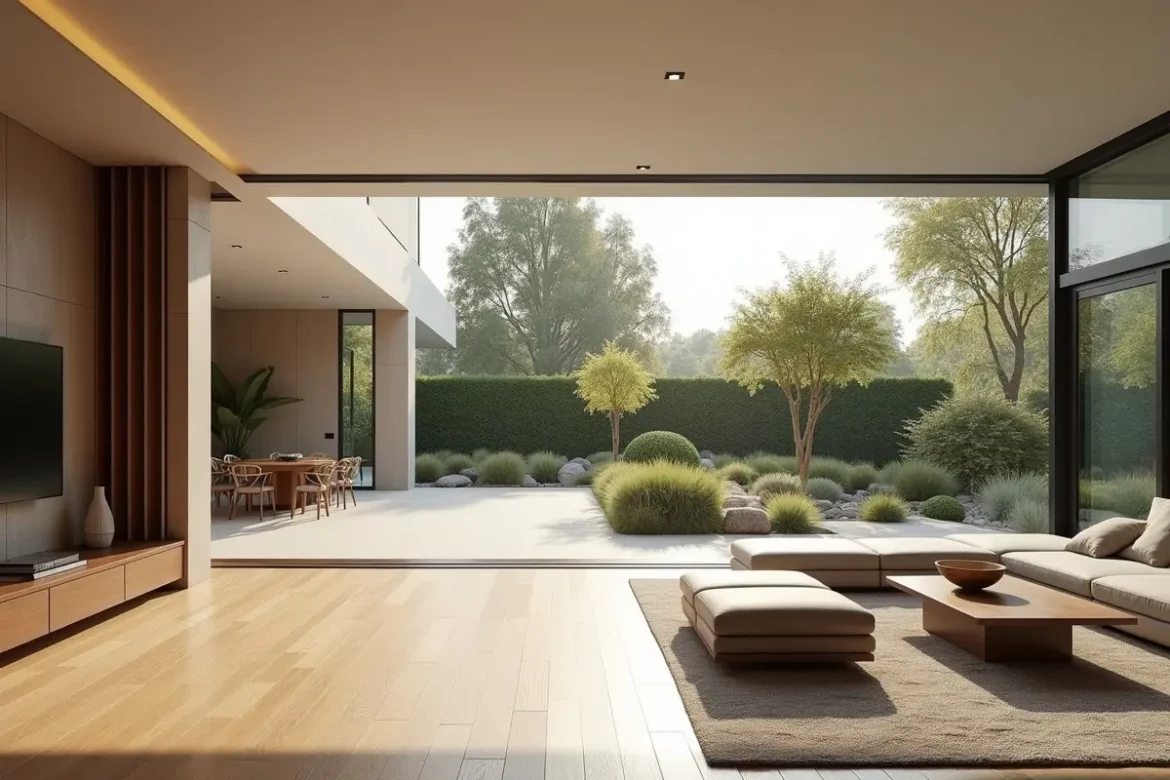
Biophilic design brings nature’s restorative benefits indoors, helping to reduce stress and enhance well-being. It’s more than simply adding plants; it’s about meaningful connections to the outside world through design. Living green walls, indoor gardens, and expansive window views invite nature into the heart of the home, creating a serene and inviting atmosphere. Floor-to-ceiling glass, natural woods, running water features, and organic forms help create a calming, human-centered environment.
The popularity of outdoor living spaces, such as decks and patios, reflects a growing desire for seamless transitions between interiors and natural landscapes. Elements such as bi-fold doors and large terraces further blur the lines between inside and out, making it easy to enjoy the best of both worlds.
Personalization Through Bold Colors and Patterns
While neutrals offer timelessness, there’s a growing appetite for vibrant color and expressive pattern. Today’s homeowners aren’t afraid to introduce bold accent walls, wallpaper with personality, or upholstery that makes a statement. Rich blues, greens, and earthy reds inject warmth, energy, and depth into once-monochromatic spaces. Unconventional finishes—think graphic rugs, artisanal tiles, and dramatic lighting—transform homes into creative canvases that reflect unique tastes and stories.
Curating Your Own Signature Style
Personalization is about authenticity. Layering colors, mixing materials, and displaying meaningful art let homeowners break from trends and tell their own stories. This celebration of individuality—whether through one-of-a-kind vintage finds or handcrafted décor—ensures each space feels unique and inspired.
Conclusion
The most compelling residential designs today strike a careful balance between sophistication and livability. As trends move toward natural, flexible, and smart environments, the focus remains on creating homes that nurture, inspire, and adapt.
By embracing biophilic touches, integrating next-generation technologies, and daring to bring color and personality to interiors, homeowners achieve spaces that not only impress visually but also elevate everyday experiences. The future of home design is innovative, thoughtful, and, most importantly, attuned to the lives of those who inhabit these spaces.