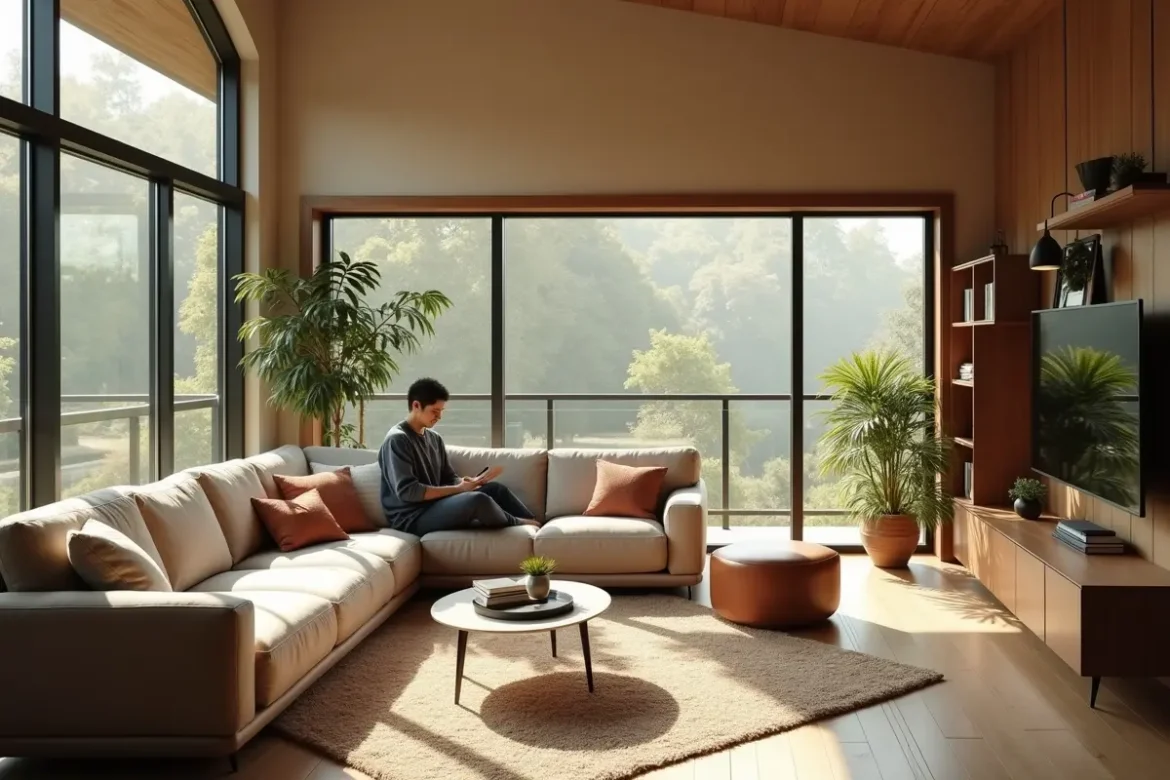
A new home brings fresh ideas and invites change. You begin by studying each corner, wall, and window before shaping your plans. Space feels open to new habits and fresh design choices. You adjust your layout, store items with care, and update your daily flow.
Each choice matters because moving to a different-shaped space changes how you think about rooms and how you move through them. You can use this shift to improve comfort and bring a strong sense of identity to every detail. Good design helps you feel steady during change and makes the space easier to understand from the first day.
Contents
- 1 Small Moves That Build Connection
- 2 How Purpose Turns a House Into Home
- 3 Use Shape as an Advantage
- 4 Create a Daily Escape While Moving to a Different-Shaped Space
- 5 Zones Create Clear Purpose
- 6 Use Storage to Support Openness
- 7 Add Warmth With Simple Material Choices
- 8 Fresh Layouts With Innovative Ideas
- 9 How Light and Design Shape Well-Being
- 10 Experiment With Light and Color
- 11 Give Shape Meaning When Moving to a Different-Shaped Space
Small Moves That Build Connection
A strong plan brings ease and helps you settle with less stress. You build that plan by staying simple. You walk through each room and picture your day from start to finish. Keep surfaces clear so you can adjust items over time.
Add personal objects where you spend the most time. These small details can make a space feel like it’s always been yours and help the house gain warmth faster. You shape comfort through honest choices that match your habits rather than trends.
How Purpose Turns a House Into Home
You give a new room purpose by filling it with actions that matter to you. Sit near the window if you enjoy morning light. Place books near a chair to encourage reading. Add warm fabric to the seats you use most. These choices turn it into a home.
You do not need large moves to create a feeling. The room responds to your actions and gains meaning with each day of use. A clear approach helps you avoid clutter and gives you a steady start.
Use Shape as an Advantage
Many homes offer unusual corners, curves, or long walls. Treat each feature as a chance to improve daily flow. A long hallway can hold art and storage. A curved wall can hold soft seating. A narrow section can become a work spot. Moving to a different-shaped space invites this type of thinking because shape guides your habits. You plan with the shape in mind rather than forcing a standard layout in a space that does not support it.
Create a Daily Escape While Moving to a Different-Shaped Space
Design can change your mood, especially during the early days in a new place. Light choices improve calm and help you rest. Warm lamps help nights feel gentle. Smooth fabrics reduce noise and draw the room together. These details make your home feel like a daily escape after busy days. Focus on small improvements rather than full room changes. This gives you time to learn what the space needs and prevents stress.
Zones Create Clear Purpose
A zone gives the brain a signal. You sit at a table, so you eat or write there. You place a mat near the door, so shoes stay in that spot. These signals help you start habits faster. When moving to a differently shaped space, zones help rooms make sense. You separate actions by placing key tools in the right area. A wall shelf near a chair gives you a reading zone, even if the room shape feels unusual. This helps you stay focused and reduces wasted time.
Use Storage to Support Openness
A room gains calm when surfaces stay clear. Storage helps you reach this point. Use boxes that match the tone of the room. Store items you use often in easy spots. Place heavy items lower so the space feels lighter. When moving to a differently shaped space, storage helps you adapt. You gain space in tight sections and make large rooms feel organized. These steps improve balance and support your daily routine.
Add Warmth With Simple Material Choices
Material choices change how a room feels. Soft cotton gives calm. Wood adds depth. Glass reflects and spreads light. You do not need many pieces to build warmth. A smooth rug can define a sitting area. A wood stool can add balance to a room full of clean lines. Small details work together and give the space a gentle tone. These choices stay useful over time because they do not rely on trends.
Fresh Layouts With Innovative Ideas
Change invites fresh design ideas. Try new layouts before buying new furniture. Move a chair to the window and test how it feels in the morning. Shift the sofa to open space near the center of the room.
Explore innovative home decor ideas by using what you have before seeking new pieces. The room may surprise you. You find new uses for old items and learn how to support comfort with simple moves. This builds design confidence and saves money.
How Light and Design Shape Well-Being
Where you place light and how you design a room can deeply affect mood, comfort, and mental well-being. In fact, improving daylight, window size, and lighting design in homes offers real emotional benefits because natural light in interior architecture helps lift mood, reduce stress, and support better mental health by regulating sleep cycles and boosting visual comfort.
That insight supports a simple design rule: maximize light, choose calm colors, and shape each room to suit how you live. These changes help your space feel more restful, balanced, and supportive in daily life.
Experiment With Light and Color
Light tells the eye where to rest. If a corner feels dark, add a soft lamp. If a wall feels empty, try a warm piece of art. Color helps build mood. Soft colors support calm. Bright tones add energy. Balance helps the room feel steady.
Test ideas without rushing. Spend a day with each change and sense how it affects your routine. Use the outdoor area as an extension of your living room. Add a small chair, one plant, and gentle lights to see how it changes your evenings. Moving to a different-shaped space helps you see light from new angles, and that can shape your next round of edits.
Give Shape Meaning When Moving to a Different-Shaped Space
You gain freedom when you adapt the design to shape, then plan around your habits. You start small so the house can grow with time. Each step builds a clear path from room to room. Simple actions create comfort and make a space easier to understand.
Moving to a different-shaped space opens ideas that support comfort, routine, and identity. You take control by making honest choices, using what you have, and letting each room guide your next move.