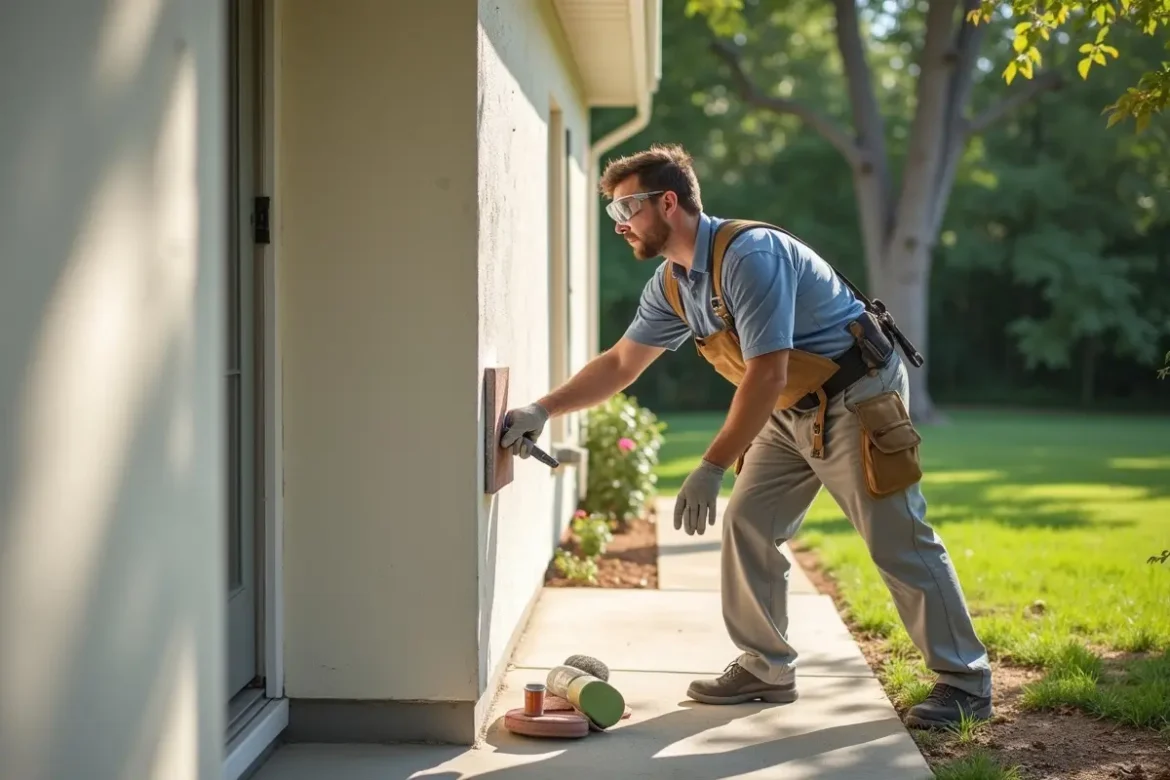
Every 5 to 15 years or so, the exterior of your home may need to be repaired, depending on the paint you originally used to paint it. When you get to this point, you need to know how to repaint the exterior of your home, including what paint to choose, how to prepare the walls, and how to paint to get the desired results correctly. Here are some tips that should help you paint your home correctly.
Contents
- 1 1. Check the forecast before you pick up a brush
- 2 2. Look out for lead paint
- 3 3. Repair cracks and rot before painting
- 4 4. Wash away dirt, mould, and mildew
- 5 5. Don’t skip the primer step
- 6 7. Invest in high-quality paint
- 7 8. Buy the right tools
- 8 10. Get your painting technique right
- 9 Get a professional involved
- 10 Final thoughts
1. Check the forecast before you pick up a brush
Have you ever tried to paint in the rain before? Trust us, it doesn’t work! The easiest way to avoid this is to simply check the forecast before you pick up your paintbrush. If the forecast says there is a 90% chance of rain, then maybe it’s best to put off painting your house until another day. The easiest way to check the weather is to simply look online with your phone.
2. Look out for lead paint
If your home was built before the late 1970s, there’s a chance that old layers of lead-based paint are still hiding underneath. Lead is toxic, so it’s essential to handle it safely. You can buy test kits at most hardware stores to check for lead. If you do find it, avoid sanding or dry scraping. Instead, use wet methods or hire a professional trained in safe removal. Wear a proper mask, gloves, and goggles, and collect and dispose of any lead waste according to your local council’s guidelines.
3. Repair cracks and rot before painting
Before painting, take a close look at your siding, trim, and window frames. Cracks and gaps let in moisture and should be fixed before painting begins. Use an exterior-grade filler or patching compound for small cracks, then sand it smooth once dry. For bigger problems, like rotten wood, replacement might be the best option. Repairing early helps your new paint stick better and last longer.
4. Wash away dirt, mould, and mildew
Dirt, mould, and mildew can stop paint from adhering properly, so start with a clean surface. A good wash makes a big difference. You can use a pressure washer, but be gentle; too much pressure can damage the surface. Alternatively, use a garden hose, a soft brush, and a mild detergent mixed with water. For stubborn mould, a mix of water and white vinegar works well. Let everything dry completely before you move on to priming or painting.
5. Don’t skip the primer step
Primer is like the foundation for your paint; it helps the colour go on smoothly and last longer. It also seals porous surfaces and improves coverage, especially if you’re painting over bare wood or a darker colour. Oil-based primers work best on older, weathered surfaces, while latex primers are great for newer materials.
Sometimes, you can skip priming if you’re repainting with the same type and colour of paint, but when in doubt, prime. Apply it evenly and don’t rush; it’s worth taking the time for a better finish.
7. Invest in high-quality paint
Cheap paint might look fine at first, but it won’t hold up against Australia’s harsh sun and weather. Premium paints have better pigments and binders, which means richer colour and stronger protection. Latex (water-based) paints are usually best for exteriors because they’re flexible and resist fading. Oil-based paints can still be useful for trim or metalwork. Think of quality paint as an investment; it costs more now but saves money and effort in the long run.
8. Buy the right tools
The tools you use can affect both the look and the speed of your work. Brushes are perfect for cutting in edges and painting trim, rollers are great for larger flat areas, and sprayers can cover big surfaces quickly if you know how to use them. Whatever you choose to use, try your best to keep them clean so they can be used again at a later stage.
10. Get your painting technique right
The final trick to a professional finish is your technique. Dip your brush about a third of the way into the paint, tap off the excess, and apply with steady, smooth strokes. Rollers should be used in a “W” pattern to spread the paint evenly. If you’re painting overlapping boards, try to paint along the grain and work from the top to the bottom and keep a wet edge, avoiding letting the previous layer dry before strokes to avoid streaks.
Get a professional involved
There’s no harm in saying that you aren’t the person for the job. Maybe you don’t have the time or the know-how to do the painting. If this is the case, hire a professional like DC Decorators & Painters who can get the job done faster and more efficiently. Plus, you don’t have to worry about making any costly mistakes then.
Final thoughts
Painting your home’s exterior can seem like a big task, but with the right preparation, materials, and a bit of patience, it’s definitely doable. Whether you decide to tackle it yourself or bring in the professionals, these tips will help you get the best possible finish and protect your home for years to come. A fresh coat of paint not only boosts your home’s curb appeal but also adds a layer of protection against Australia’s weather.