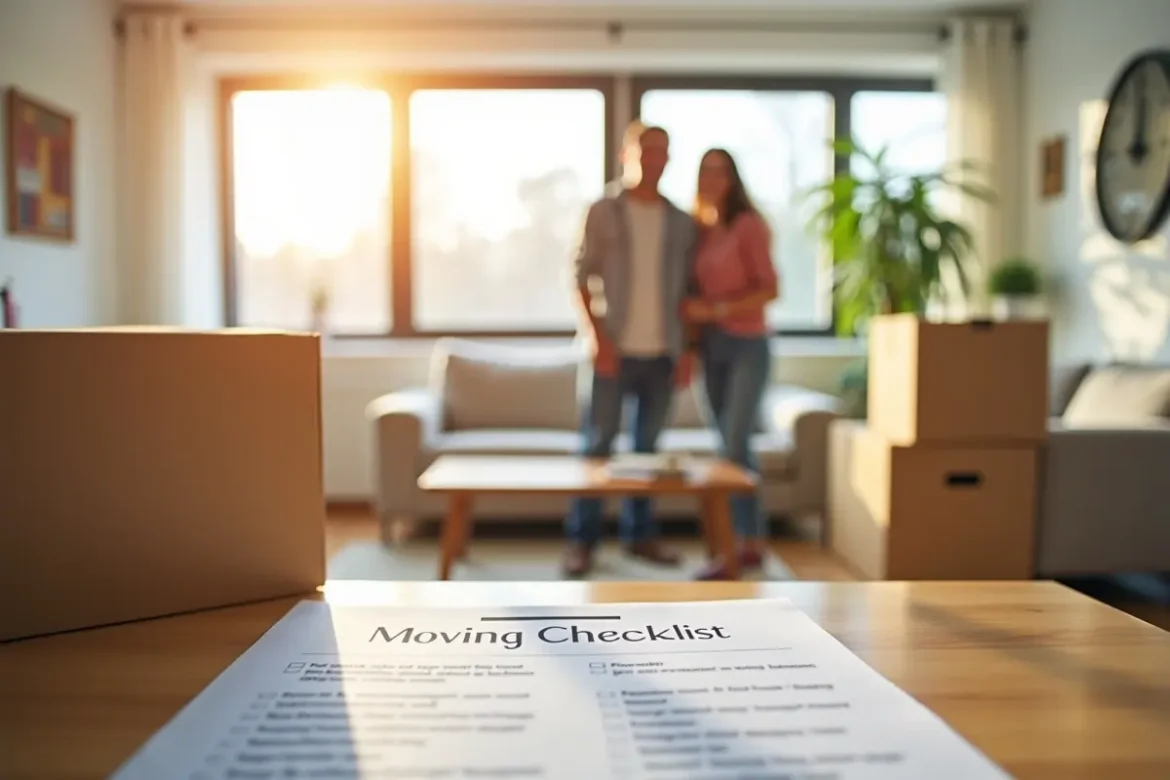
Moving into a new home is one of life’s most significant milestones. It is a period filled with excitement and the promise of a fresh start, but as anyone who has navigated a move knows, it is also a marathon of logistics. The transition from “buyer” to “resident” involves a mountain of cardboard boxes, endless phone calls to utility companies, and the inevitable realization that you can’t find the coffee maker on your first morning.
Whether you are relocating across the country or moving into a new build just a few miles away, success lies in the details. To help you transition from the chaos of moving day to the comfort of your first night, we have compiled this comprehensive guide. This checklist covers everything from the weeks before your move to the long-term maintenance tasks that protect your investment.
Contents
- 1 Phase 1: The Pre-Move Preparation (4-6 Weeks Out)
- 2 Phase 2: Interior Systems and Safety
- 3 Phase 3: The Deep Clean and Minor Repairs
- 4 Phase 4: Outdoor Living and Curb Appeal
- 5 Phase 5: The “First Night” Essentials
- 6 Phase 6: Long-Term Security and Peace of Mind
- 7 Room-by-Room Checklist
- 8 Making it Your Own
Phase 1: The Pre-Move Preparation (4-6 Weeks Out)
The secret to a stress-free move is starting before the first box is even taped. Preparation at this stage prevents the “moving day panic” that often leads to lost items and frayed nerves.
As you sort items into keep, donate, and discard piles, it helps to have a place for belongings you don’t need immediately. Using storage units Greensboro allows you to store extra furniture, seasonal items, and packed boxes safely, making the move-in process more organized and less overwhelming.
Declutter and Inventory
Before you pay to move items you don’t need, go room-by-room. Sort items into three categories: Keep, Donate, and Trash. For the items you keep, create a digital inventory. This is particularly helpful for insurance purposes and for tracking boxes during the unloading process.
Secure Your Movers or Rental
If you are hiring a professional moving company, book them at least a month in advance. If you prefer the DIY route, reserve your truck early, especially if your move falls on a weekend or at the end of the month.
Update Your Address and Utilities
Notify the USPS of your move. Beyond the mail, you must ensure your new home is habitable the moment you arrive.
- Electricity and Gas: Schedule the transfer at least two weeks before move-in.
- Water and Sewer: Often handled through the local municipality.
- Internet and Cable: Schedule installation for the day after move-in so you aren’t stuck without a connection.
Phase 2: Interior Systems and Safety
Before you fill your home with furniture and boxes, you need to ensure the “bones” of the house are functioning and secure. It is much easier to fix a pipe or service a furnace when the rooms are empty.
Plumbing and Climate Control
There is nothing worse than moving in and realizing the hot water heater is failing or the AC isn’t pushing cold air during a heatwave. Before the moving truck arrives, have a professional inspect your HVAC and plumbing systems. A quick tune-up can prevent a literal flood of problems later.
Change the Locks
You never know how many copies of the old keys are floating around with former owners, Realtors, or contractors.
- Replace all exterior deadbolts.
- Reprogram garage door openers and gate codes.
- Ensure all window locks are functional.
Safety Detectors
Test every smoke detector and carbon monoxide alarm. Replace batteries regardless of how “new” they look. If the home is older, consider upgrading to interconnected smart detectors that alert your phone if an alarm goes off while you are away.
Phase 3: The Deep Clean and Minor Repairs
It is significantly easier to clean a house when it is empty. Once the furniture is in place, those baseboards and corners become much harder to reach.
The “Empty House” Clean
Even if the previous owners “cleaned,” you’ll want to do a deep dive. Focus on:
- Inside Cabinets and Drawers: Wipe out dust and crumbs before lining them with shelf paper.
- Appliances: Clean the coils behind the refrigerator and the lint trap in the dryer vent.
- Floors: Steam clean carpets and polish hardwoods while the floor space is clear.
Painting and Flooring
If you plan to repaint the walls or refinish the floors, do it now. Once the furniture is in place, these tasks become ten times more difficult and twice as expensive due to the labor of moving items.
Phase 4: Outdoor Living and Curb Appeal
Your home doesn’t end at the front door. The exterior of your property requires immediate attention to prevent long-term damage and to make the house truly feel like yours.
Landscaping and Hardscaping
If your new home is a new construction, you might be starting with a dirt lot. If it’s an existing home, the yard may need a refresh to match your style. From laying sod and mulch to installing functional retaining walls, having a plan for your outdoor space is essential for curb appeal.
Pest Control and Fertilization
Preventing an infestation is much easier than treating one. Before you move in, consider a perimeter pest treatment. Additionally, if you have a lawn or garden, using the right nutrients is key to keeping your property lush and healthy.
Phase 5: The “First Night” Essentials
When the moving truck finally pulls away, you will be exhausted. The last thing you want to do is hunt through 50 boxes for a toothbrush or a phone charger. Pack a “First Night Box” to keep in your car rather than on the truck:
- Bedding: Sheets, pillows, and blankets for every bed.
- Toiletries: Toilet paper (buy a bulk pack!), soap, shampoo, and towels.
- Basic Tools: A box cutter, screwdriver, and hammer.
- Electronics: Phone chargers and a power strip.
- Kitchen Basics: A coffee maker, paper plates, and plastic utensils.
Phase 6: Long-Term Security and Peace of Mind
Once you are settled, it’s time to think about long-term protection.
Home Security Systems
In 2025, home security is about more than just an alarm. Modern systems integrate smart cameras, doorbell monitors, and leak sensors. According to SafeHome.org, many homeowners are now opting for DIY-friendly systems that offer professional monitoring without long-term contracts. Installing a video doorbell is a great first step to monitor deliveries while you are busy unpacking.
Establish a Maintenance Schedule
Owning a home is a continuous process. Create a digital calendar for:
- Quarterly: Change HVAC filters and check water softener salt levels.
- Bi-Annually: Clean gutters and test the sump pump.
- Annually: Schedule a professional roof inspection and flush the water heater.
Room-by-Room Checklist
To ensure nothing is missed, use this quick-reference list as you move through the house:
| Room | Priority Tasks |
| Kitchen | Sanitize counters, check fridge temp, organize pantry. |
| Bathrooms | Replace toilet seats, check for leaks under sinks, hang shower curtains. |
| Bedrooms | Assemble bed frames first, hang window treatments for privacy. |
| Living Room | Map out furniture placement before heavy lifting, set up Wi-Fi. |
| Garage/Basement | Locate the main water shut-off valve and the electrical breaker box. |
Making it Your Own
Moving is a journey, not a single-day event. It takes time for a house to feel like a home. By following this checklist, you ensure that the transition is handled with precision, protecting your family, your sanity, and your investment.
Start with the essentials—the plumbing, the locks, and the cleaning—and then move toward the fun parts like landscaping and interior design. Before you know it, the boxes will be gone, and you’ll be sitting back, enjoying your new space.