Home painting is often seen as a simple way to refresh a space, yet many homeowners underestimate how easily small missteps can lead to disappointing results. A rushed decision, poor preparation, or overlooked detail can quickly turn a painting project into an unnecessary expense. In some cases, fixing these issues costs more than doing the job correctly from the start.
What makes painting particularly tricky is that mistakes are not always obvious right away. Problems like uneven coverage, premature peeling, or mismatched colors often reveal themselves weeks or months later. Understanding where things commonly go wrong—and how to prevent those errors—can help homeowners protect both their time and budget.
Contents
- 1 Rushing the Process Before Understanding the Space
- 2 Underestimating the Importance of Color Testing
- 3 Overlooking Surface Preparation
- 4 Choosing Paint Without Considering Room Function
- 5 Using Inadequate Tools and Techniques
- 6 Ignoring Drying and Curing Times
- 7 Overlooking the Details That Define the Finish
- 8 Knowing When Experience Adds Value
- 9 Thinking Beyond the Final Coat
- 10 Final Thoughts
Rushing the Process Before Understanding the Space
One of the most frequent mistakes in home painting is moving too quickly from idea to execution. Every space has unique characteristics that affect how paint performs, including lighting, surface condition, and room usage. Ignoring these factors often leads to unsatisfactory outcomes.
Taking time to assess the room beforehand allows for better decisions. Observing how light changes throughout the day, identifying imperfections on the walls, and considering how the space is used all influence paint selection and application. A thoughtful approach at the beginning helps eliminate guesswork later.
Underestimating the Importance of Color Testing
Color selection is one of the most emotionally driven parts of painting, yet it’s also one of the easiest places to make an expensive mistake. Colors viewed in isolation or under store lighting rarely behave the same way on full walls at home.
Testing paint directly on the wall provides clarity. Seeing how a color interacts with furnishings, flooring, and natural light over time helps avoid repainting entire rooms. This step may feel minor, but it often determines whether a homeowner feels satisfied or frustrated once the project is complete.
Overlooking Surface Preparation
Paint cannot compensate for poor surfaces. Walls that are dirty, cracked, or uneven will compromise even the highest-quality paint. Skipping preparation is one of the leading causes of peeling, bubbling, and uneven finishes.
Proper preparation includes cleaning surfaces thoroughly, repairing imperfections, sanding where needed, and applying primer when appropriate. While this stage doesn’t offer immediate visual rewards, it directly affects how long the paint lasts and how polished it looks. Preparation is not an optional step—it’s the foundation of a successful paint job.
Choosing Paint Without Considering Room Function
Not all paint performs the same way, and selecting the wrong type for a space often leads to early wear. Each room places different demands on painted surfaces, and paint should be chosen accordingly.
High-moisture areas such as kitchens and bathrooms require finishes designed to resist humidity and stains. Hallways and living spaces benefit from durable, washable paints that can handle daily activity. Matching paint characteristics to room function helps extend the life of the work and reduces maintenance costs over time.
Using Inadequate Tools and Techniques
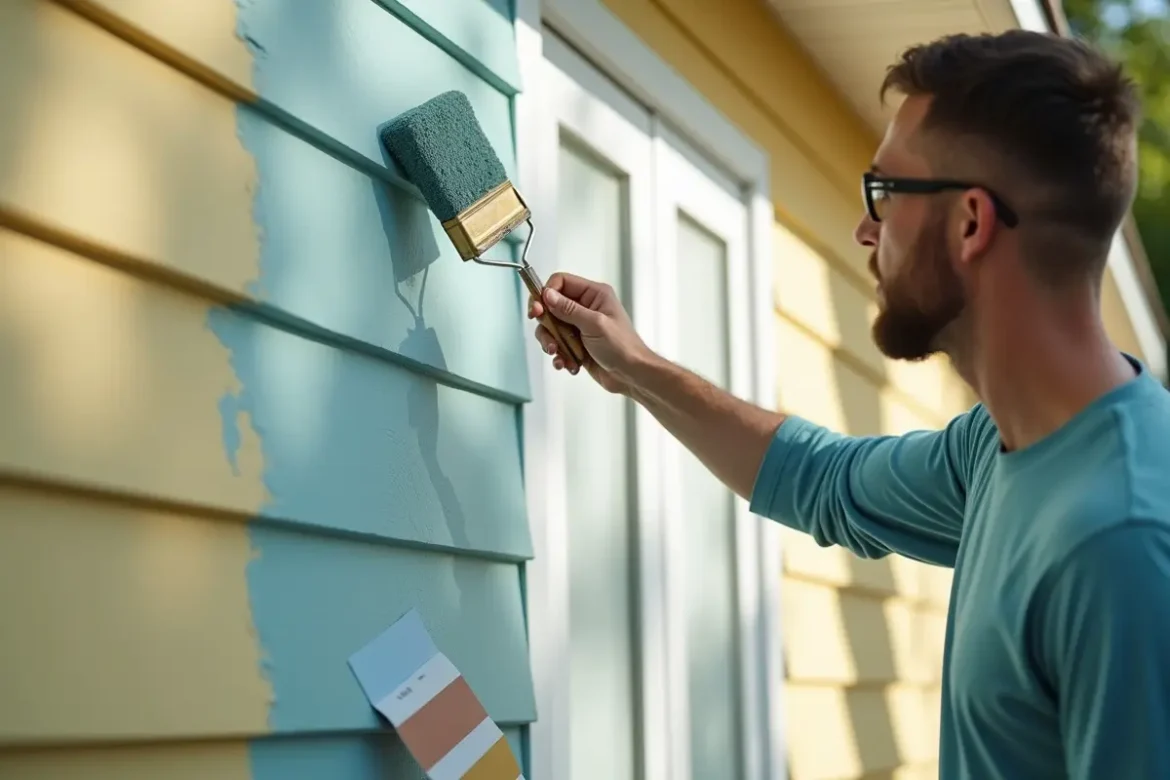
Even well-prepared surfaces and quality paint can be undermined by poor tools or application methods. Cheap brushes and rollers often leave streaks, shed fibers, or distribute paint unevenly.
Using proper tools designed for the selected paint type improves coverage and finish quality. Equally important is technique—applying paint in controlled, even layers rather than heavy coats. Multiple thin coats allow better adhesion and result in a smoother, more professional appearance.
Ignoring Drying and Curing Times
Another costly mistake is rushing between coats or returning furniture to a room too quickly. Paint may feel dry to the touch but still require additional time to cure properly.
Failing to respect drying times can cause peeling, scuffing, or visible texture issues. Environmental conditions such as temperature and humidity also affect drying, making patience essential. Allowing sufficient time between coats leads to a more durable and visually consistent result.
Overlooking the Details That Define the Finish
Edges, trim, and transitions are often where painting projects lose their professional look. Uneven lines, paint bleed, or sloppy trim work can distract from otherwise good results.
Careful taping, steady application, and proper removal of tape at the right moment all contribute to cleaner lines. Attention to these smaller details elevates the overall appearance and makes the work feel intentional rather than rushed.
Knowing When Experience Adds Value
While many homeowners are capable of handling basic painting projects, certain situations demand a higher level of expertise. Large areas, tall ceilings, detailed trim, or older surfaces can present challenges that are difficult to manage without experience.
In these cases, homeowners often turn to experienced Gaithersburg painters who understand surface preparation, product selection, and application techniques at a professional level. Their involvement can help prevent mistakes that are expensive or time-consuming to correct later.
Thinking Beyond the Final Coat
A successful paint job doesn’t end once the walls are dry. Long-term care plays a significant role in maintaining appearance and durability. Gentle cleaning, timely touch-ups, and avoiding harsh chemicals help preserve painted surfaces.
Keeping leftover paint properly stored allows for easy maintenance without needing to repaint entire rooms. This simple habit helps extend the life of the work and keeps the home looking fresh over time.
Final Thoughts
Home painting is one of the most impactful ways to improve a living space, but only when done with care and intention. By avoiding common mistakes—such as poor preparation, rushed decisions, and mismatched materials—homeowners can achieve results that last.
A well-executed paint job enhances comfort, protects surfaces, and adds lasting value. With the right approach, painting becomes an investment rather than an expense—and one that continues to pay off long after the project is finished.