Modern window treatments are redefining interior design by bringing together practicality, innovation, and style in striking new ways. Window blinds are no longer just about providing privacy or blocking sunlight—they have become a feature of contemporary interiors, expressing personal taste while serving a vital function. Homeowners are placing greater emphasis on choosing window blinds that complement their décor, improve energy efficiency, and even interact with smart home systems.
In an age when interiors are expected to do more with less, your window treatments can serve as both an aesthetic anchor and a key to everyday comfort. For those searching for durable window blinds Kansas City, staying up to date with today’s trends opens unique opportunities to transform your living environment into one that is welcoming, stylish, and technologically sophisticated.
The right window blinds can dramatically shape a room’s mood, modulate natural light, and contribute significantly to your comfort and your home’s energy profile. As eco-consciousness becomes increasingly important to homeowners, a shift toward natural, sustainable materials is underway.
At the same time, the fusion of blinds with smart home technology is adding entirely new dimensions of convenience, automation, and energy savings. In this article, we’ll explore the latest evolutions in window blinds, highlighting why these trends are resonating with homeowners and how they can help you create stylish, functional, and future-proof living spaces.
Contents
Embracing Natural Materials
One of the most significant shifts in window blind trends is the preference for materials that bring nature indoors. Homeowners are increasingly drawn to blinds made from bamboo, wood, hemp, flax, and other renewable resources for their inherent sustainability and their ability to create serene, restful spaces. These organic textures and rich finishes evoke a sense of calm and well-being while gently softening the harsh lines often found in modern architecture.
Natural materials also help regulate temperature and improve indoor air quality, making them a practical as well as an aesthetic choice. In addition to their environmental benefits, these blinds tend to have a timeless look and a tactile feel that synthetic materials can’t easily replicate. Eco-friendly options are also more durable and less likely to off-gas harmful chemicals, giving conscientious homeowners peace of mind alongside visual comfort.
Integration of Smart Technology
The digitally connected home revolution is transforming every aspect of daily life, including how we interact with our window coverings. Automated blinds and shades are a prime example of this tech-forward movement, offering unprecedented convenience and energy efficiency. With the aid of remote controls, smartphone apps, or even voice-activated virtual assistants such as Alexa or Google Home, motorized blinds can be easily adjusted from anywhere in the home—or scheduled to open and close based on your routines.
This not only saves time but also helps to optimize sunlight exposure, reduce cooling and heating costs, and enhance security. Imagine being able to program your blinds to rise gently with the sunrise, or to lower at dusk for extra privacy and insulation.
Layered Window Treatments for Depth
Layered window treatments continue to gain momentum among interior designers, prized for their ability to blend functionality and artistry. This approach involves combining multiple types of coverings—such as pairing sheer, gauzy curtains with blackout roller shades, or stacking Roman blinds over cellular shades—to give homeowners ultimate control over privacy, light, and style. Such combinations allow you to regulate how much daylight enters your room, mitigate glare, and add an inviting tactile dimension that enhances the room’s character.
Not only can this layering technique soften a room’s look, but it also allows you to adjust the atmosphere as needed throughout the day subtly. From light, breezy mornings to dim, intimate evenings, the right combination of window treatments ensures your living spaces adapt to every occasion while maintaining consistent visual appeal.
Earth Tones and Subtle Patterns
The palette of contemporary window treatments is shifting away from stark whites and bold hues, increasingly favoring gentle earth tones that connect us to nature and help create peaceful sanctuaries. Shades like taupe, sandy beige, muted sage, and clay have risen in popularity because of their calming influence and versatility across many interior styles. These colors serve as a canvas for other design accents, blending beautifully with wood furnishings, stone elements, and soft textiles.
Even patterns are becoming more discreet, with woven jacquards, organic motifs, and softly geometric designs offering just enough detail to add visual intrigue without overwhelming the room. The overall effect, according to interior experts featured in Architectural Digest, is one of effortless sophistication and tranquility, making these choices ideal for both new builds and home updates seeking to stand the test of time.
Energy-Efficient and Room-Darkening Options
Energy awareness is top of mind for today’s homeowners, prompting a surge in popularity for window treatments that go beyond aesthetics to improve a home’s thermal efficiency. Room-darkening shades, solar screens, and honeycomb cellular blinds are particularly sought after for their ability to limit heat gain in sweltering weather while providing excellent insulation in winter.
Blackout fabrics block harsh sunlight and UV rays, helping you keep interior spaces cool and protected from fading, while solar and cellular shades maintain exterior views while shielding your rooms from heat and glare. These treatments are especially effective for large windows or spaces that experience intense sun exposure, and choosing them can translate to noticeable reductions in your energy bills over time.
The Department of Energy offers a helpful guide on energy-efficient window coverings, providing practical tips to maximize energy savings while maintaining comfort and style. By making your living environment more comfortable, these window blinds ensure that sustainability doesn’t compromise style or daylight options.
Minimalist Frame Designs
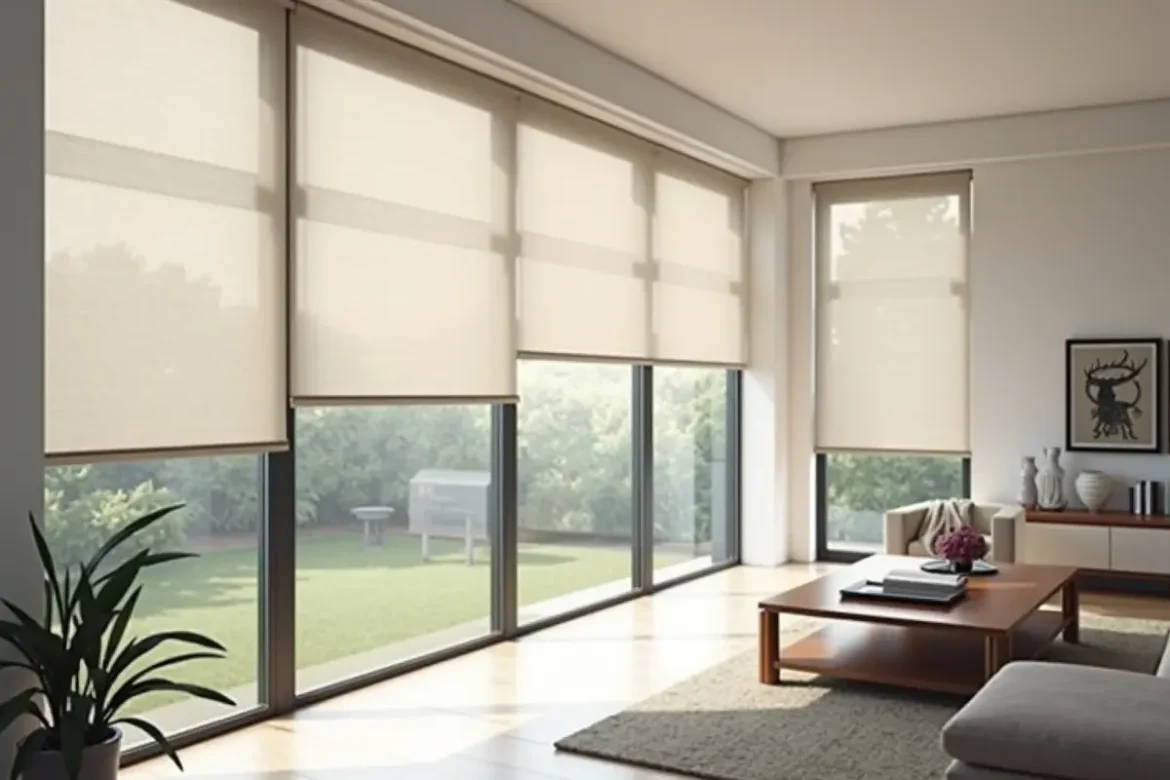
Sleek, refined window blind systems are making a mark in modern home design. The appeal of minimalism is reflected in new hardware designs, where thin frames and discreet operating mechanisms are favored over bulky or ornate alternatives. High-tech manufacturing with lightweight metals like aluminum and stainless steel has resulted in unobtrusive profiles that seamlessly blend into walls, leaving more room for expansive glass and panoramic views.
This minimal approach aligns well with open-concept layouts, as it avoids visual clutter and lets your interiors breathe. The result is an elegant look that doesn’t detract from furniture or architectural features, but instead enhances the sense of spaciousness and light so coveted in contemporary homes. When window blinds work quietly in the background, your carefully curated décor and outdoor vistas can take center stage.
Conclusion
Today’s most popular window blind trends highlight how homeowners can create inviting, functional, and forward-thinking living spaces with thoughtful choices. From embracing natural materials and calming earth tones to leveraging smart technology and sustainable designs, the options available can meet virtually any homeowner’s desires.
By staying on top of these emerging innovations, you ensure your home remains not only stylish and comfortable but also equipped for the practical realities and possibilities of modern living. Ultimately, choosing the right window blinds is an investment in both immediate comfort and the long-term value of your home—allowing you to live more beautifully every day.