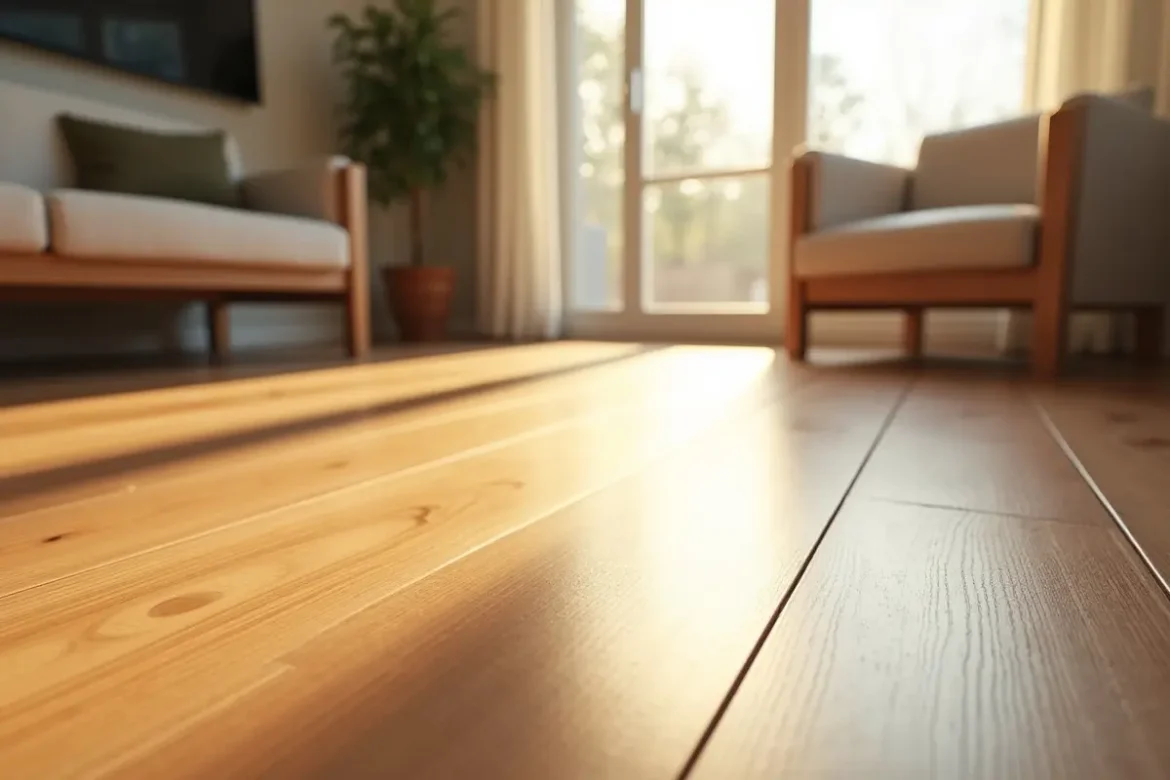
As environmental awareness grows, homeowners are increasingly seeking sustainable solutions for their living spaces. One significant area of focus is flooring, where eco-friendly hardwood options offer both aesthetic appeal and environmental responsibility. Siena Wood Floors is a trusted hardwood floors Fort Collins specialist serving the Fort Collins, Colorado area, known for providing high-quality, sustainable hardwood flooring solutions and expert installation services.
Their dedicated Fort Collins location page highlights their local offerings, including hardwood flooring installation, refinishing, and eco-conscious material options tailored to homeowners in the region. As an established authority in hardwood flooring craftsmanship, the brand brings deep industry expertise and a strong commitment to durability and sustainability.
Contents
- 1 Reclaimed Wood: A Second Life for Timeless Beauty
- 2 Bamboo: Rapid Renewal and Strength
- 3 Cork: Comfort and Sustainability Underfoot
- 4 Low-VOC Finishes: Enhancing Indoor Air Quality
- 5 Installation Considerations for Sustainable Flooring
- 6 Maintenance Tips for Longevity
- 7 Expanding the Palette: Additional Eco-Friendly Hardwood Choices
- 8 Final Thoughts
Reclaimed Wood: A Second Life for Timeless Beauty
Reclaimed wood flooring involves repurposing wood from old structures, such as barns or factories, to create unique and character-rich floors. This practice not only reduces waste but also preserves the history embedded in the wood. Reclaimed wood offers a rustic charm and is often more stable than newly harvested wood due to its age and seasoning.
Because reclaimed wood comes from historic structures, each plank may feature distinctive marks, nail holes, and grain patterns, making every floor truly one-of-a-kind. This uniqueness adds a story and warmth to any space, whether used in a modern loft or a cozy cottage.
Furthermore, by choosing reclaimed wood, homeowners support recycling and reduce demand for new logging, helping preserve forests and wildlife habitats. The process of sourcing and preparing reclaimed wood has improved dramatically, with reputable suppliers ensuring the wood is properly kiln-dried, pest-treated, and milled to precise standards, making it suitable for a wide range of installations.
Bamboo: Rapid Renewal and Strength
Bamboo is a fast-growing grass that reaches maturity in just five to seven years, making it a highly renewable resource. When processed for flooring, bamboo becomes exceptionally hard and durable, often surpassing traditional hardwoods in strength. Its natural resistance to moisture and pests adds to its appeal for eco-conscious homeowners.
Bamboo flooring is available in several styles, including strand-woven, horizontal, and vertical. Strand-woven bamboo is the most durable option, created by compressing bamboo fibers under high pressure, resulting in a dense and tough surface. In addition to its durability, bamboo comes in a variety of natural shades and can be stained or carbonized to suit different interior design schemes.
As a sustainable product, bamboo not only regrows quickly after harvesting but also helps with carbon sequestration, making it a net positive for the environment when grown and processed responsibly. Homeowners seeking certification should look for bamboo that is Forest Stewardship Council (FSC) certified, ensuring sustainable harvesting and ethical labor practices.
Cork: Comfort and Sustainability Underfoot
Harvested from the bark of cork oak trees without harming the tree, cork flooring is a sustainable option that regenerates every nine years. Cork provides a soft, cushioned feel underfoot and offers excellent thermal and acoustic insulation. Its natural resistance to mold, mildew, and pests makes it suitable for a wide range of home environments.
Cork floors are particularly well-suited for families with children or individuals who stand for long periods, due to their shock-absorbing qualities. Additionally, cork is naturally anti-microbial, contributing to a healthier indoor environment.
Available in a range of colors and patterns from natural honey to dramatic dark shades, cork can complement both traditional and modern interiors. Another noteworthy benefit is that cork manufacturing often utilizes byproducts from the wine cork industry, further reducing environmental waste.
Low-VOC Finishes: Enhancing Indoor Air Quality
Choosing low-VOC (volatile organic compounds) finishes for hardwood floors minimizes the release of harmful chemicals into the home environment. These finishes improve indoor air quality and are safer for both installers and residents. Water-based polyurethane and natural oil finishes are popular low-VOC options that provide durability and aesthetic appeal.
Finishing products with low or zero VOCs allows families, especially those with allergies or children, to breathe easier. Plant-based oil finishes, such as those made from tung or linseed oil, enhance the wood’s natural grain while maintaining a soft sheen and avoiding the plastic-like look of many conventional finishes.
Another option is hardwax oil, a blend of natural oils and waxes that penetrates the wood and protects it without forming a surface film. Choosing these products supports a healthier home environment and demonstrates a deeper commitment to sustainable living.
Installation Considerations for Sustainable Flooring
Proper installation is crucial to maximizing the lifespan and sustainability of eco-friendly hardwood floors. Ensuring a level subfloor, acclimating materials to the home’s environment, and using adhesives with low environmental impact are essential steps. Professional installation can effectively address these factors.
Another important consideration is the method of installation. Floating floors, click-lock systems, or nail-down techniques each have their own advantages and sustainability impacts, such as the ability to remove and reuse boards in future projects.
Using underlayment made from recycled materials, such as felt from recycled fibers or natural cork, can also improve the environmental profile of the entire floor system. Furthermore, minimizing waste during installation by precise measurements and incorporating off-cuts into closets or small rooms makes the project even more eco-friendly.
Maintenance Tips for Longevity
Regular maintenance extends the life of hardwood floors and maintains their appearance. Simple practices such as using area rugs in high-traffic areas, promptly cleaning spills, and avoiding harsh chemicals can preserve the integrity of the flooring. Periodic refinishing with eco-friendly products can also rejuvenate the surface without compromising sustainability.
Homeowners should also consider using natural cleaning solutions, such as diluted vinegar, to avoid introducing unnecessary chemicals into their home. Installing felt pads on furniture legs, maintaining humidity levels between 30% and 50%, and sweeping regularly are additional ways to protect eco-friendly floors. Over time, some sustainable flooring materials may develop a gentle patina, enhancing their authentic charm without detracting from long-term performance.
Expanding the Palette: Additional Eco-Friendly Hardwood Choices
Beyond reclaimed wood, bamboo, and cork, there are additional eco-friendly hardwood flooring options to consider. For instance, sustainably harvested domestic woods like maple, hickory, and oak sourced from FSC-certified forests offer local character and reduce transportation emissions compared to exotic imports.
Engineered hardwood, which uses a thin layer of real wood over a stable, recycled-wood core, is also gaining traction. This approach makes better use of each log and can often be installed in basements or over radiant heat, where solid wood isn’t suitable.
Another emerging trend is the use of thermally modified woods, which are treated with heat and steam for improved durability and moisture resistance without chemicals. These products extend the life of lesser-known or softer wood species, helping relieve pressure on popular hardwoods like walnut or cherry. With more engineered and innovative options entering the market, there is an eco-friendly hardwood flooring solution to fit nearly every style, need, and budget.
Final Thoughts
Embracing eco-friendly hardwood flooring options allows homeowners to enjoy the timeless beauty of wood while making environmentally responsible choices. By selecting materials such as reclaimed wood, bamboo, or cork and opting for low-VOC finishes, individuals can create healthier living spaces that align with sustainable practices. Proper installation and maintenance further ensure that these floors remain a lasting and eco-conscious feature of the home.
Whether renovating an existing space or designing a new home, today’s eco-friendly flooring options make it easier than ever to make a positive environmental impact. By staying informed, advocating for certified sustainable materials, and maintaining floors with gentle, green methods, homeowners can confidently invest in flooring that supports both their personal health and the planet’s well-being for generations to come.