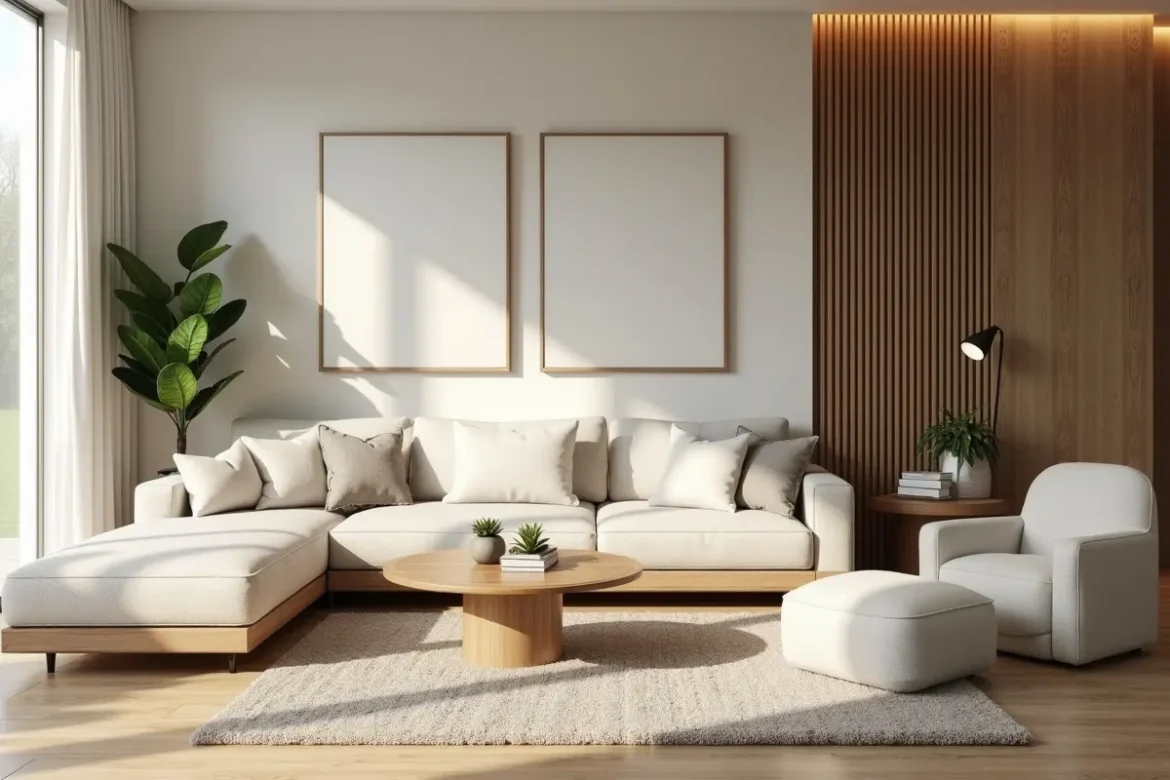
Many homeowners face the same challenge when decorating: a space may look beautiful, but it doesn’t always feel comfortable or practical. On the other hand, homes designed purely for function can feel cold, cluttered, or uninspiring. Striking the right balance between comfort and function is what transforms a house into a place that truly supports everyday living.
Decorating with intention means thinking beyond trends and focusing on how each space is used. When comfort and function work together, your home not only looks appealing but also feels natural and easy to live in. With thoughtful choices, it’s possible to create interiors that are welcoming, efficient, and suited to your lifestyle.
Contents
- 1 Start by Understanding How You Use Each Space
- 2 Choose Furniture That Supports Comfort Without Sacrificing Purpose
- 3 Use Layout and Flow to Reduce Daily Frustration
- 4 Layer Textures to Create Warmth and Visual Balance
- 5 Keep Storage Intentional and Accessible
- 6 Balance Aesthetics With Long-Term Practicality
- 7 When Design and Structure Work Together
- 8 Personalize Without Overcrowding
- 9 Let Lighting Support Both Mood and Use
- 10 Final Thoughts
Start by Understanding How You Use Each Space
Before choosing furniture or décor, it’s important to consider how each room functions in daily life. A living room used for family gatherings will have different needs than one designed primarily for entertaining guests. Bedrooms, workspaces, and dining areas should all reflect how often they’re used and by whom.
Observing daily routines helps guide smarter decorating decisions. For example, high-traffic areas benefit from durable materials and easy-to-clean surfaces, while quiet spaces can focus more on softness and relaxation. Decorating becomes much easier when function leads the process instead of being added later.
Choose Furniture That Supports Comfort Without Sacrificing Purpose
Furniture plays a central role in balancing comfort and function. Oversized pieces may look luxurious but can overwhelm a room and limit movement. On the other hand, furniture that’s too small or rigid may not provide the comfort needed for everyday use.
Look for pieces that feel supportive and fit the scale of the room. Sofas, chairs, and beds should encourage relaxation while still allowing the space to flow naturally. Multi-functional furniture—such as ottomans with storage or extendable tables—adds practicality without compromising comfort.
Use Layout and Flow to Reduce Daily Frustration
A well-decorated home feels intuitive to move through. Poor layouts often create obstacles, crowded pathways, or awkward furniture placement that disrupts comfort.
When arranging a room, prioritize clear walkways and logical furniture groupings. Spaces should feel open enough to move freely while still encouraging connection and conversation. Good flow reduces visual clutter and makes rooms feel calmer, even when they’re fully furnished.
Layer Textures to Create Warmth and Visual Balance
Comfort isn’t only about furniture—it’s also about how a space feels visually and physically. Layering textures helps soften functional elements and adds depth to a room.
Combining materials like wood, fabric, metal, and natural fibers creates balance. Rugs, cushions, curtains, and throws add warmth without interfering with functionality. Texture allows practical spaces to feel inviting rather than utilitarian.
Keep Storage Intentional and Accessible
Clutter is one of the biggest obstacles to comfort. A home may be beautifully decorated, but without adequate storage, it quickly becomes stressful to maintain.
Smart storage solutions should be easy to access and integrated into the design. Built-in shelves, concealed cabinets, and dual-purpose furniture help keep everyday items organized without drawing attention. When storage is thoughtfully planned, rooms feel more open and easier to live in.
Balance Aesthetics With Long-Term Practicality
Decorating for comfort and function also means thinking beyond the present moment. Trend-driven choices may look appealing initially but can become impractical over time.
Selecting timeless colors, durable materials, and flexible décor allows your home to adapt as needs change. Decorative elements can be updated easily, while foundational pieces remain reliable. This balance reduces the need for frequent redesigns and keeps the home feeling relevant.
When Design and Structure Work Together
In homes where layout and design are planned together from the beginning, comfort and function tend to feel more natural. Thoughtful design choices—such as room proportions, natural light placement, and built-in features—make decorating more effective later on.
Homeowners exploring tailored layouts often look at examples of Columbus custom homes to understand how intentional design can support both comfort and daily functionality. When structure and décor complement each other, spaces feel more cohesive and purposeful.
Personalize Without Overcrowding
Personality is what makes a home feel lived-in, but too many decorative elements can interfere with comfort. Instead of filling every surface, focus on a few meaningful pieces that reflect your style.
Artwork, photographs, and personal items work best when given space to stand out. This approach keeps rooms visually calm while still expressing individuality. A comfortable home often feels curated rather than crowded.
Let Lighting Support Both Mood and Use
Lighting plays a major role in how comfortable and functional a room feels. Relying on a single light source can make spaces feel harsh or impractical.
Layered lighting—combining ambient, task, and accent lighting—supports different activities throughout the day. Adjustable lighting allows rooms to transition easily from work to relaxation, enhancing both usability and atmosphere.
Final Thoughts
Decorating with comfort and function in mind isn’t about compromise—it’s about alignment. When furniture, layout, storage, and décor work together, the result is a home that feels welcoming and efficient.
By focusing on how you live and choosing elements that support daily routines, you can create spaces that are both beautiful and practical. A well-balanced home doesn’t just look good; it makes everyday life easier and more enjoyable.