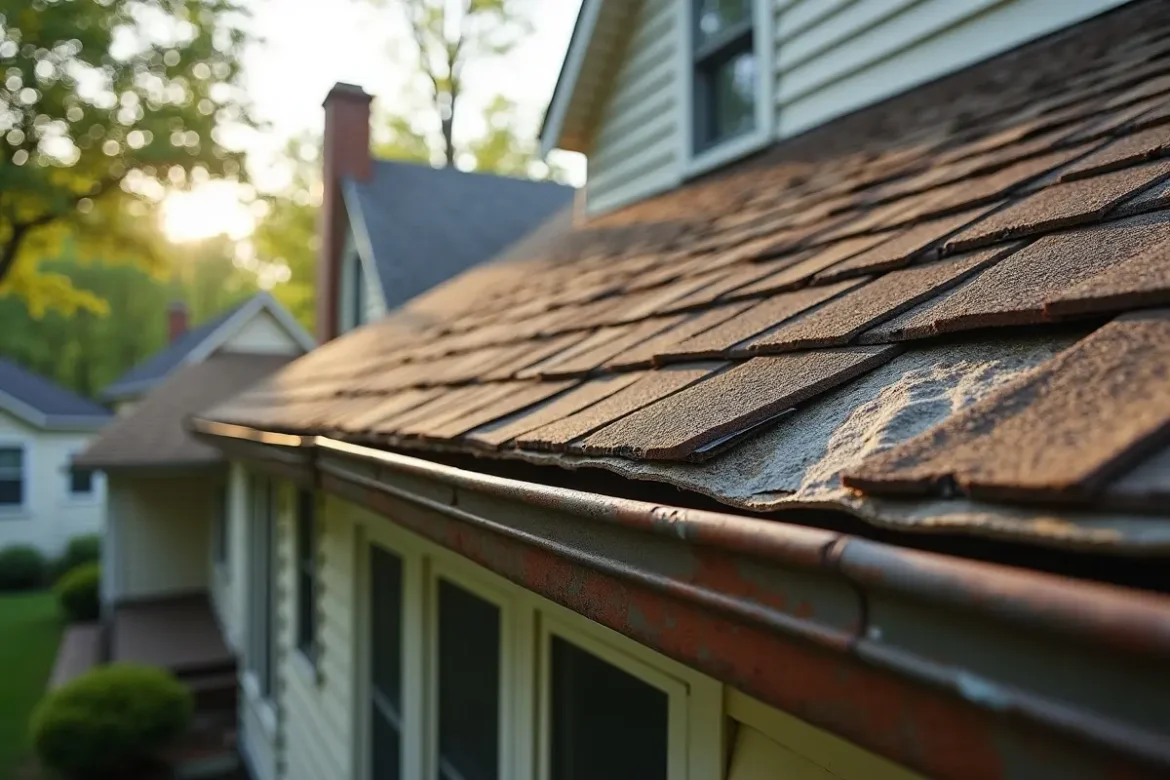
Homes in Grand Rapids face steady stress from changing seasons, heavy snow, rain, and strong winds. As a result, roof trouble often appears over time and can affect comfort, safety, and repair costs.
The most common roofing problems in Grand Rapids homes come from weather stress, material wear, moisture buildup, and storm impact. This article explains how local climate patterns and upkeep habits shape roof damage, and it shows why early awareness helps limit repairs and protect the home.
Contents
Ice dams cause water backup and roof leaks
Ice dams often affect Grand Rapids homes after heavy snow and cold nights. Heat from the house warms the upper roof, causing snow to melt and flow toward the eaves. However, the colder edge freezes that water, which creates a ridge of ice that blocks drainage.
As a result, water backs up under shingles and enters the roof deck. This moisture can stain ceilings, soak insulation, and weaken wood over time. In addition, repeated freeze and thaw cycles raise the risk of hidden damage.
Homeowners often seek roof repair in Grand Rapids after leaks appear indoors. However, early signs also include thick ice at roof edges and icicles near gutters. Therefore, quick action limits further damage.
Poor attic insulation and air leaks add to the problem. Warm air escapes upward, so snow melts faster above living spaces. Better sealing and prompt repairs reduce repeat leaks during long winters.
Shingle damage from heavy snow and wind
Grand Rapids homes face shingle damage from heavy snow and strong wind. Snow adds weight to the roof, while wind can lift or tear shingles loose. As a result, the roof surface loses its tight seal.
Wind often pulls at shingle edges and breaks the adhesive strip. Snow then packs into gaps and puts stress on fasteners. Therefore, shingles may crack, shift, or slide out of place.
Ice buildup also plays a role. Meltwater can slip under shingles and refreeze, which forces them upward. In addition, wind-driven snow can reach exposed nail areas and weaken them over time.
Homeowners often spot curled shingles, bare roof spots, or debris in the yard. These signs point to damage that can allow water into the attic. Quick repair helps limit leaks and wood rot.
This problem appears more often after major winter storms. Regular roof checks after heavy snow or high wind help catch damage early.
Roof leaks due to aging or poor maintenance
Roof leaks often start as materials age and lose strength. Shingles dry out, flashing cracks, and seals break down over time. As a result, water slips inside during rain or snow.
Poor maintenance also raises leak risk. Gutters that stay clogged force water to back up under shingles. In addition, small gaps around vents or chimneys let moisture enter with each storm.
Grand Rapids homes face freeze and thaw cycles that stress roofs each year. Ice dams can trap water near the eaves, which then finds weak points. Therefore, older roofs without routine checks tend to leak first.
Simple upkeep reduces these problems. Regular inspections spot cracked shingles, worn flashing, and soft roof areas early. Prompt repairs limit water damage and help the roof last longer.
Algae and moss growth on roof surfaces
Algae and moss often appear on roofs in Grand Rapids due to shade, moisture, and frequent rain. North-facing slopes and areas near trees see this problem more often. As a result, dark streaks or green patches show up over time.
Moss holds water against shingles, which lifts edges and shortens roof life. Algae spreads across surfaces and stains shingles, therefore reducing curb appeal. Both issues worsen on asphalt roofs, which collect debris and moisture more easily.
Homeowners often overlook this growth because it seems minor at first. However, moisture that stays on the roof raises the risk of rot and early wear. Small patches can spread fast without regular checks.
Routine roof cleaning and better sunlight exposure help limit future growth. In addition, proper attic airflow reduces surface moisture and slows return. These steps help roofs last longer in local weather conditions.
Storm damage, including broken or missing shingles
Storms often cause roof trouble in Grand Rapids homes. Strong wind can pull shingles loose or tear them off. Hail can also crack shingles or leave dents that weaken the surface.
Snow and ice add more stress to the roof. Ice buildup can force shingles out of place. As a result, small gaps may open and allow water to enter the home.
Broken or missing shingles expose the roof deck. Rain then moves under nearby shingles and reaches the attic or ceiling. Over time, this moisture can cause stains, wood rot, or mold.
Homeowners may spot loose shingles in the yard or bare patches on the roof. However, some damage is hard to see from the ground. Therefore, a roof check after severe weather can help catch problems early.
Conclusion
Grand Rapids homes face repeat roof problems from heavy snow, ice dams, strong wind, and freeze-thaw cycles. Therefore, shingles wear faster, flashing fails, and small leaks spread into the attic.
Regular checks after storms and quick repairs help cut repair costs and extend roof life. Clear signs such as stains, roof sag, or ice buildup signal the need for prompt action.