Modern life moves fast, and spaces often reflect that same rush. Open layouts, bright lighting, and constant activity can make rooms feel busy even when we’re resting. The concept of pause design flips that idea, creating interiors that help people slow down, breathe easier, and reconnect with stillness.
This blog explains why slower spaces are gaining attention, how design details like light and texture influence mood, and what simple changes can make your environment feel more mindful and balanced.
Contents
- 1 Slower Spaces Are Gaining Attention
- 2 Light That Encourages Rest
- 3 How Texture Shapes Our Sense of Time
- 4 Corners That Invite You to Stop
- 5 Colors That Calm Instead of Compete
- 6 Furniture That Feels Like an Invitation
- 7 Sounds That Support Silence
- 8 Simple Details That Change the Pace
- 9 Why Pausing Matters in Everyday Life
- 10 The Lasting Value of Slow Spaces
Slower Spaces Are Gaining Attention
People are craving calm more than ever. Between constant notifications and tight schedules, moments of stillness feel rare. That’s why thoughtful spaces: homes, studios, even cafés are starting to reflect a new priority: slowing down. The goal isn’t to strip life of activity, but to design surroundings that give your mind and body a chance to rest.
Slower spaces shift how time feels. When a room invites you to sit, breathe, or simply look around without hurry, it becomes restorative. Designers are realizing that people don’t just want furniture or style; they want atmosphere. Creating that sense of pause is both an art and a mindset.
Light That Encourages Rest
Lighting is one of the most powerful tools for shaping mood. Erin Morris, a visual designer known for her serene interiors, often reminds others that how light moves in a room sets the emotional pace. Bright, harsh light pushes energy forward; soft, diffused light lets it settle.
During the day, natural light that shifts slowly across the space reminds people of the passage of time in a gentle way. At night, warm-toned lamps and indirect glow from sconces can help transition the body toward calm. The balance of shadow and brightness doesn’t just make a room look inviting. It creates rhythm, one that quietly encourages stillness.
How Texture Shapes Our Sense of Time
The materials we touch affect how fast we move through a space. Smooth, glossy finishes signal efficiency and activity, while textured fabrics and raw surfaces slow perception down. A linen curtain, a wool rug, or a clay mug adds sensory friction. The kind that grounds you in the moment.
Small design decisions, like choosing matte paint instead of high gloss or mixing old materials with new ones, make people linger longer. Texture invites touch, and touch keeps attention present. That connection between material and mindfulness is what gives slower spaces their quiet strength.
Corners That Invite You to Stop
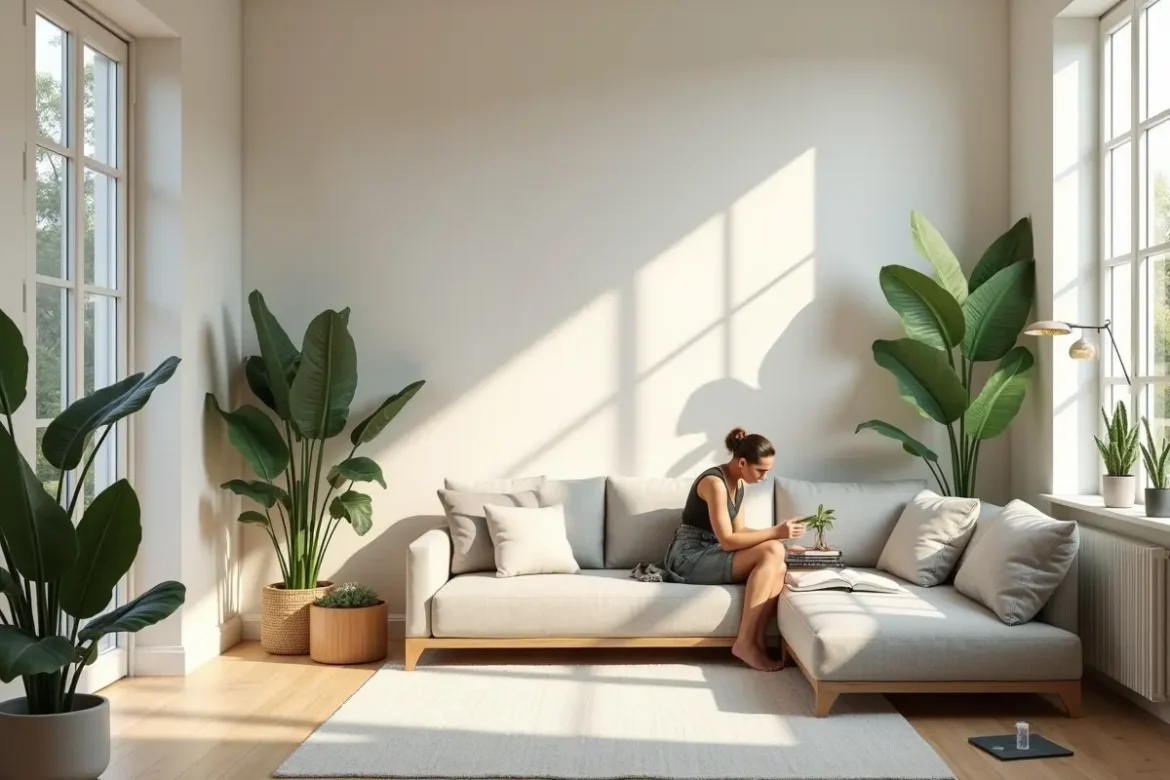
Every home or studio benefits from at least one small zone that feels personal. A window seat, a corner with a chair and soft lamp, or a reading nook; these are built-in pauses. They signal rest without saying a word.
When rooms are open and busy, people naturally move fast. By adding smaller pockets within them, designers create emotional punctuation marks. These are the areas where time feels different. Where your body slows, your breathing changes, and stress begins to leave the space.
Colors That Calm Instead of Compete
Color is one of the first cues that tells the brain how to feel. Soft neutrals, muted greens, and dusty blues tend to encourage relaxation. In contrast, sharp whites or highly saturated hues can keep the body alert. Balanced palettes make a difference. A soft wall color paired with one strong tone, a clay vase, and a dark wooden chair, adds focus without stimulation. The goal isn’t to drain personality from a room but to guide attention gently rather than demand it.
Furniture That Feels Like an Invitation
Furniture choices influence behavior as much as aesthetics. A hard chair with straight lines signals formality and short visits. A curved armchair with soft fabric says, Stay a while. Designers who focus on slower living often choose pieces with rounded edges, natural materials, and solid craftsmanship. The proportions matter too; slightly lower tables and wider seats make people relax physically. When the body feels supported, the mind follows.
Sounds That Support Silence
Noise affects how we perceive time. Hard floors, bare walls, and open ceilings amplify sound, which subconsciously speeds up our sense of urgency. Adding rugs, curtains, or acoustic panels absorbs echo, creating gentle quiet. Background sounds can also shape mood. A subtle playlist, a trickling fountain, or even faint street noise filtered through curtains can make silence feel alive rather than empty. The trick is to balance enough sound to feel human, enough stillness to feel safe.
Simple Details That Change the Pace
You don’t need a major remodel to make a space feel slower. Small choices add up quickly:
- Use warm light bulbs instead of cool white.
- Keep a few surfaces clear of clutter.
- Add natural materials like wood, linen, or clay.
- Position a chair near a window for a natural pause.
- Choose art that feels calm rather than loud.
Each step on its own seems small, yet together they change how a room behaves. These details remind people that design isn’t just what you see. It’s how you move and breathe inside it.
Why Pausing Matters in Everyday Life
A slower space doesn’t stop productivity; it restores it. When you permit yourself to pause, clarity follows. It’s easier to focus, make decisions, and connect with others. That’s why workplaces, cafés, and even retail environments are starting to adopt slow design principles to give people a better rhythm for their minds.
The art of pause is really about care. It’s about designing environments that support how humans actually live, not just how they look in photos. When done right, these spaces remind us that stillness isn’t wasted time. It’s what makes the rest of life richer.
The Lasting Value of Slow Spaces
Creating slower spaces has long-term emotional payoff. They age gracefully because they’re built around timeless feelings rather than fast-changing trends. A room designed for pause doesn’t shout for attention; it whispers calm each time you walk in. When lighting, texture, and silence come together, something simple yet powerful happens. You start noticing your own pace. And in a world that rarely stops moving, that’s what real luxury feels like.