A Los Angeles neighborhood can look perfect online, feel exciting during a weekend visit, and still make everyday life harder than it needs to be. Before choosing where to rent or buy, test each location against the routes, responsibilities, and comforts that shape a typical week.
For example, buyers researching Silver Lake Los Angeles real estate can use Carolina Kramer’s neighborhood guide as a starting point to understand the area’s residential character, housing styles, local amenities, and hillside setting. Carolina Kramer is a California-licensed real estate professional serving Los Angeles, including Silver Lake and nearby Eastside communities, with neighborhood-specific guidance for people comparing homes and lifestyle fit.
Start With Daily Life, Not a Neighborhood Reputation
A popular address is not automatically the right address. One household may value restaurants, walkable errands, and access to central Los Angeles. Another may need a quieter block, a larger kitchen, reliable parking, or a manageable school drop-off. Begin by listing the places you visit every week: work, school, groceries, medical care, fitness, parks, family, and favorite social spots.
Then decide what tradeoffs are acceptable. Would you exchange square footage for a shorter commute? Is nightlife a benefit or a source of late-night noise? Los Angeles neighborhoods can change quickly from one block to the next, so evaluate the specific pocket around a prospective home rather than relying on the neighborhood name alone.
Use the Weekday Test
The weekday test is simple: visit a potential neighborhood when residents are actually living their routines. A sunny weekend afternoon can show charm, but it may not reveal traffic, parking pressure, school activity, delivery trucks, or evening noise.
- Arrive during the morning commute period.
- Return around school pickup or late-afternoon traffic.
- Walk the immediate area after dinner.
- Complete one ordinary errand, such as buying groceries or picking up a prescription.
- Notice sidewalks, lighting, traffic speed, parking demand, and how the block feels once businesses close.
Measure the Real Commute
Do not judge a commute by freeway distance alone. Measure door-to-door travel at the actual time you expect to leave. Include the walk to your car or transit stop, time spent searching for parking, school drop-offs, transfers, and the final walk into work.
- Morning travel: Record a realistic departure-to-arrival time.
- Evening travel: Test the return trip during peak congestion.
- Alternatives: Identify transit, bike routes, and backup driving routes.
- Reliability: Consider whether a single accident or event could disrupt the entire plan.
Look Beyond Walkability Scores
Walkability matters most when it helps with actual needs. A location near coffee shops and restaurants may still be inconvenient if groceries, pharmacies, safe crossings, or medical care require driving. Practical walking also depends on shade, curb ramps, pavement condition, crosswalk timing, lighting, and comfort after dark.
Research on housing preferences has found strong demand for nearby shops, parks, sidewalks, and housing choice, but those features should be evaluated in the context of your household’s habits.
Match the Housing Stock to Your Needs
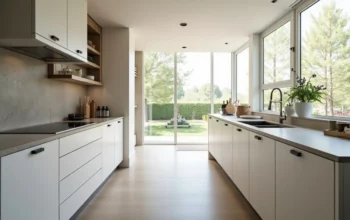
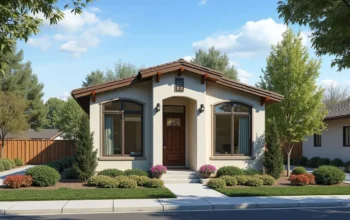
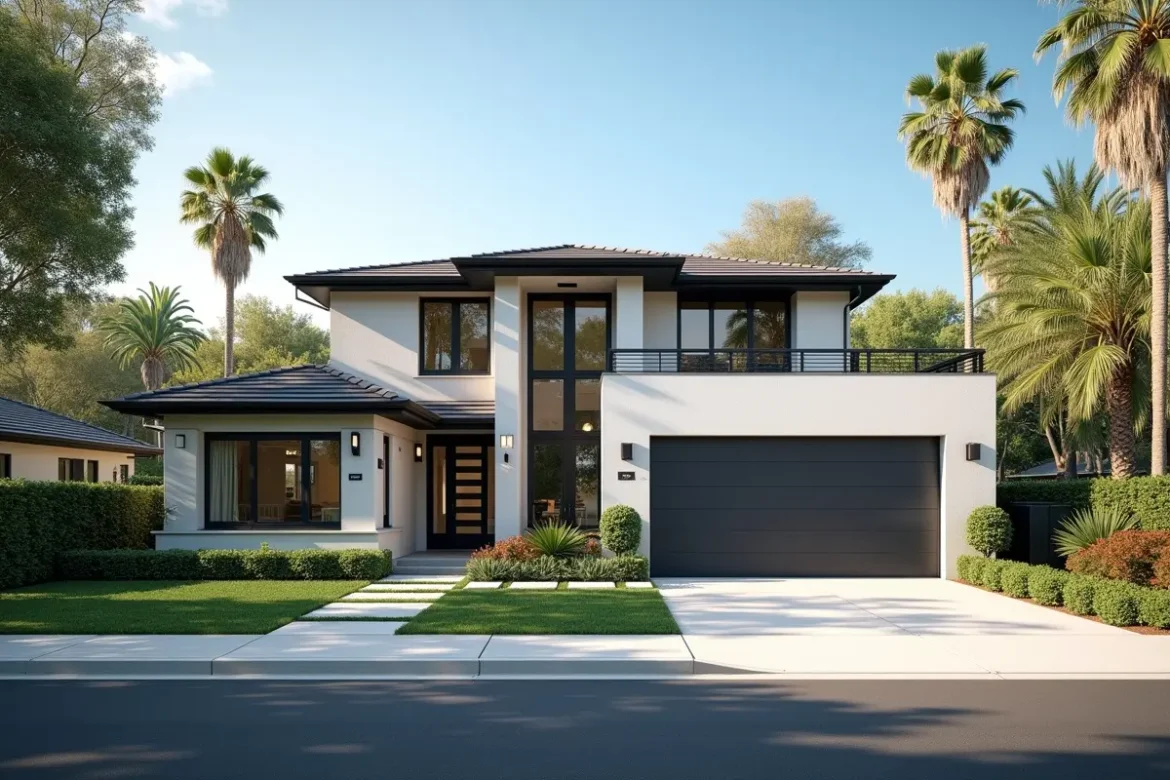
Los Angeles offers apartments, condos, duplexes, townhomes, Craftsman homes, hillside properties, and newer construction. Character can be appealing, but it should not distract from practical needs. Inspect natural light, storage, heating and cooling, outdoor space, street noise, and parking arrangements.
For hillside homes, pay special attention to access, stairs, drainage, retaining walls, slopes, and the ease with which groceries or visitors can reach the property. A home should work with its surrounding block, not simply look good in isolation.
Check Noise, Parking, and Street Conditions
Every day, friction often comes from details missed during a showing. Listen for traffic, nightlife, aircraft, construction, commercial activity, and neighbors’ outdoor spaces. Check where trash is collected, whether alleys are active, and whether streetlights and sidewalks are maintained.
Park on the street at the time you would normally get home. Ask whether school schedules, weekend crowds, street sweeping, or special events change access. A manageable parking situation at 11 a.m. may be very different at 7 p.m.
Map the Services Used Every Week
Create a five-minute map around each home under consideration. Mark the nearest grocery store, pharmacy, primary care or urgent care, gym, childcare or schools, park, transit stop, and a restaurant you would realistically visit. This exercise turns a vague sense of convenience into a useful comparison.
It also helps place broad quality-of-life concerns in context. A recent UCLA report on the quality of life in Los Angeles County highlights why residents often weigh affordability, transportation, safety, and services together rather than treating them as separate decisions.
Build a Full Neighborhood Budget
Compare more than rent or a mortgage payment. Add parking, insurance, utilities, fuel, transit, maintenance, tolls, childcare, and the cost of regularly dining out or driving farther for errands. A higher housing payment may be worthwhile if it reduces car dependence or saves meaningful time each week.
- Build a comfortable monthly budget.
- Build a tight but manageable version.
- Build an unexpected-cost version that includes repairs, parking tickets, or a transportation disruption.
Use Silver Lake as a Case Study in Local Fit
Silver Lake illustrates why neighborhood fit is personal. Some residents may appreciate its distinctive architecture, independent businesses, reservoir-area recreation, and connections to nearby parts of Los Angeles. Others may find hills, older-home maintenance, traffic on major corridors, parking competition, or premium pricing less appealing.
The lesson is not that Silver Lake is inherently better; rather, it should be recognized that even well-known neighborhoods need to be evaluated block by block and routine by routine.
Complete a Neighborhood Comparison Checklist
Score each of three to five neighborhoods from 1 to 5 in these categories:
- Commute: Travel time, reliability, parking, and backup routes.
- Daily errands: Groceries, pharmacy, fitness, schools, and health care.
- Housing fit: Layout, condition, storage, outdoor space, and parking.
- Street feel: Noise, lighting, traffic, sidewalks, and privacy.
- Budget: Total housing, transportation, and routine costs.
- Long-term fit: Flexibility for future household needs.
How Many Times Should You Visit?
Plan at least three visits: a weekday morning, a weekday evening, and a weekend period. If possible, repeat the commute test before making a final decision.
Make the Choice Based on Real Routines
The right neighborhood may not have the biggest home, trendiest reputation, or shortest drive. It should make your normal week easier, fit your budget, and remain comfortable after the first impression fades.