Modern homeowners are increasingly seeking ways to design outdoor spaces that are both visually stunning and environmentally responsible. Embracing eco-friendly landscaping not only enhances curb appeal but also promotes a healthier, more sustainable environment for families and wildlife.
By understanding the key principles of sustainable landscaping and implementing proven techniques, you can transform your yard into a thriving, low-maintenance retreat. Learn how expert services like Elias Landscaping Inc. can help bring these green visions to life through innovative, earth-conscious solutions.
Small changes in how you choose plants, water, and materials can lead to big benefits for your home and community. Adopting nature-friendly practices can directly lower water usage, reduce upkeep costs, and create an inviting space for family, friends, and local wildlife. These methods contribute to a self-sustaining landscape that flourishes year-round with minimal intervention.
Contents
Understanding Eco-Friendly Landscaping
Eco-friendly landscaping is all about designing and maintaining your yard to work in harmony with the local ecosystem. This involves making plant and material choices that require fewer resources, such as water and fertilizer, and support healthy biodiversity. Sustainable landscaping reduces your environmental footprint while still letting you enjoy a beautiful, inviting space.
Adopting these practices includes reducing synthetic chemical usage, preserving natural resources, and turning your landscape into a haven for beneficial organisms. Thoughtful landscape design can create resilience against drought, pests, and disease. As a result, eco-conscious lawns and gardens are easier to care for and help build a stronger sense of community and environmental stewardship. For inspiration on designing an earth-friendly landscape, check out examples from Architectural Digest.
Choosing Native and Drought-Tolerant Plants
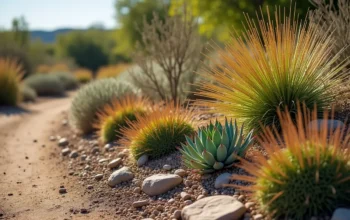
Selecting the right plants is essential for a sustainable yard. Native and drought-tolerant species are adapted to your local soil, rainfall, and climate, so they require less water and care once established. Some popular choices include purple cone flowers, black-eyed Susan, blanket flowers, a variety of ornamental grasses, succulents, and Mediterranean herbs. These plants are not only easy to maintain but also provide essential shelter and food for native pollinators and birds.
Integrating these plants means your landscape will naturally resist pests and tolerate periods of low rainfall. A thoughtful mix of perennials, shrubs, and groundcovers adds color, texture, and year-round interest while supporting local wildlife.
Implementing Water Conservation Techniques
Smart water use is a cornerstone of eco-friendly yards. By installing drip irrigation systems, water efficiently reaches plant roots with minimal waste. Collecting rainwater in barrels and reusing household greywater are also simple ways to lower your outdoor water footprint. Mulching garden beds helps retain soil moisture, suppresses weeds, and keeps soil temperatures stable, making your garden more resilient through heatwaves and dry spells.
Grouping plants with similar water needs together, known as hydrozoning, further boosts water efficiency. Many municipalities offer incentives or rebates for installing efficient irrigation technologies and drought-tolerant lawns.
Utilizing Sustainable Materials
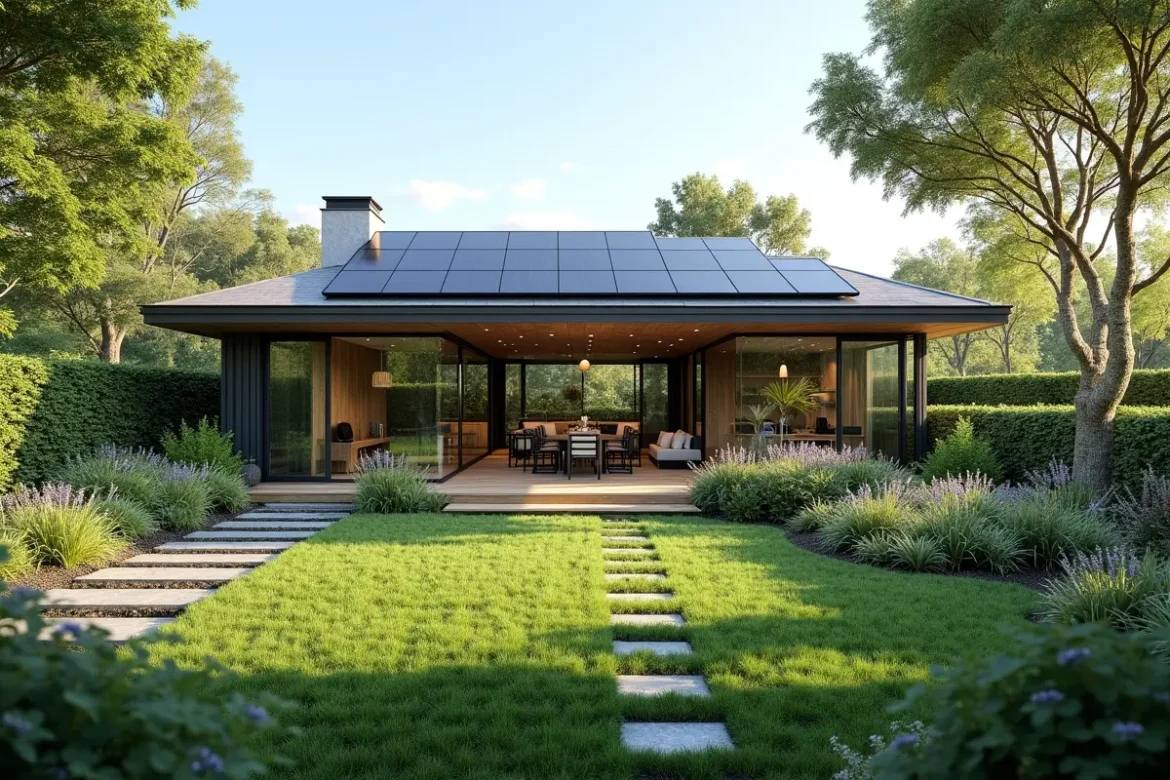
Eco-friendly hardscaping means using sustainable, recycled, or permeable materials for patios, pathways, and planters. Permeable pavers, for instance, let rainwater sink into the ground, reducing runoff and erosion. Reclaimed brick, gravel, or locally sourced natural stone often have a lower carbon footprint and blend beautifully with the natural environment. Bamboo and composite decking provide durable, renewable alternatives to traditional wood options.
Responsible sourcing and durability are key when selecting building materials. Choosing elements that last longer or can be repurposed at the end of their life ensures your garden remains green in both color and philosophy. These materials add a modern, stylish touch while making your outdoor living spaces resilient and eco-smart.
Incorporating Edible Landscaping
Edible landscaping merges the beauty of ornamental gardens with the practicality of food production. Planting herbs such as rosemary and thyme, dwarf fruit trees, or raised beds for vegetables transforms your garden into a productive space. Not only does this provide fresh, homegrown food, but it also cuts down on trips to the grocery store and reduces the carbon emissions from food transport.
Design ideas range from border plantings of berry bushes to vertical grow towers on patios for limited spaces. Edible gardens can be integrated artistically so they both look good and serve a purpose. Engaging children or neighbors in planting fruit and vegetable patches fosters a deeper connection to the land and strengthens community ties.
Creating Wildlife-Friendly Habitats
Inviting wildlife into your yard helps maintain a healthy local ecosystem. By adding flowering plants that attract native bees and butterflies or installing birdbaths and feeders, you offer food, water, and shelter to a range of species. Dense shrubs, brush piles, and water features provide safe havens for birds, beneficial insects, and amphibians.
Diverse plantings boost pollination and contribute to controlling pest populations naturally, reducing the need for intervention with chemicals. Building wildlife-friendly areas does not mean sacrificing design, as these enhancements can blend seamlessly and organically with your chosen garden style.
Maintaining Soil Health
Rich, healthy soil is the unseen secret behind every successful landscape. Using organic mulch and compost made from kitchen scraps and garden clippings returns essential nutrients to your garden beds. Avoiding synthetic fertilizers and opting for natural soil amendments improves soil structure, water retention, and microbial activity.
Healthy soils mean plant roots grow deeper and stronger, leading to more resilient and productive gardens. Techniques such as crop rotation and planting cover crops further enrich the earth and reduce erosion, ensuring your landscape can thrive for years to come.
Conclusion
Eco-friendly landscaping empowers homeowners to create outdoor spaces that are as sustainable as they are beautiful. With thoughtful plant choices, efficient water use, durable materials, and support for local wildlife, you can design a landscape that both enhances your property and contributes positively to the environment. Sustainable yards are not just a trend; they are an investment in a greener, healthier future for communities everywhere.