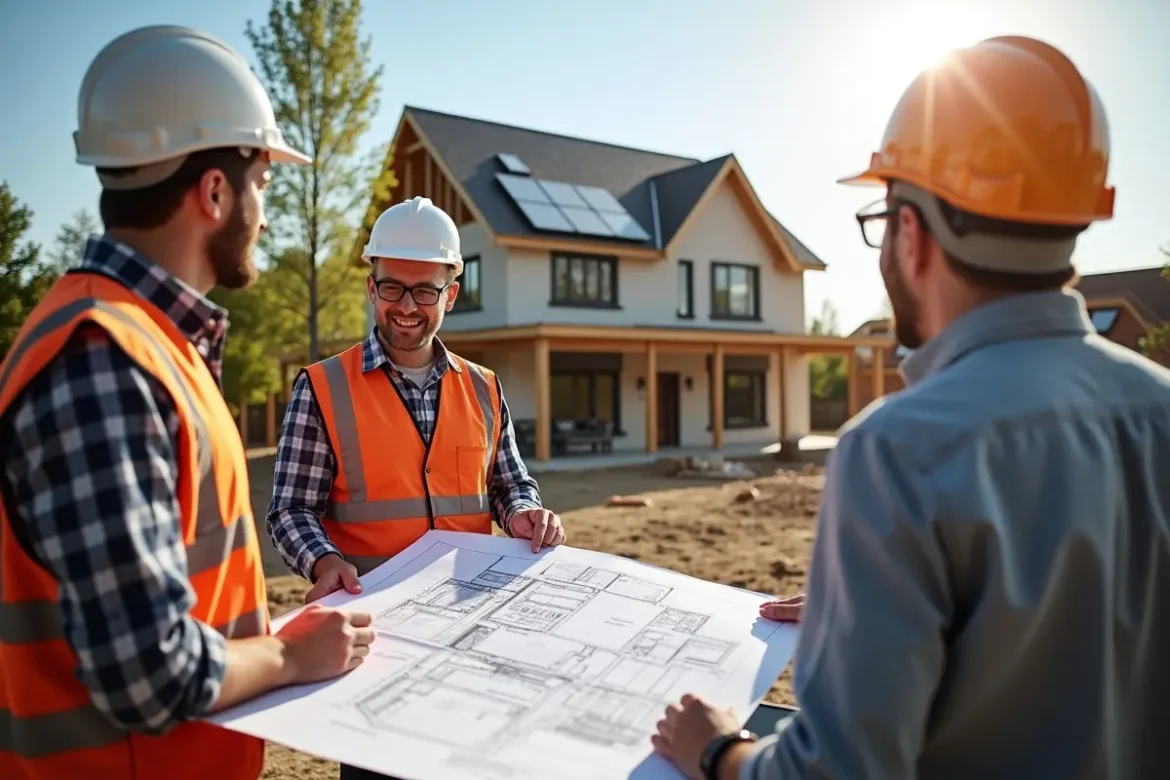
The residential construction landscape is experiencing a transformation as builders respond to the ever-changing needs of today’s homeowners. Innovations in smart technology, sustainability, and design flexibility are shaping newer, more functional living spaces. By prioritizing both comfort and efficiency, modern builders are redefining what it means to own a new home. Whether you are looking to invest in a new property or simply want to understand the latest trends, companies like Vatter Construction are at the forefront of these industry changes.
Homeowners now expect more than just four walls and a roof. The focus is shifting towards homes that are both adaptable to lifestyle needs and mindful of the environment. Builders are addressing these expectations through advanced construction methods and carefully curated design features. These practices not only improve the homeowner experience but also have long-lasting impacts on the environment and community.
Contents
Integration of Smart Home Technologies
The modern home is becoming increasingly connected thanks to the seamless integration of smart technologies. Features such as automated thermostats, smart lighting, and advanced security systems are now standard in new builds. Homeowners can control many aspects of their living environment remotely through smartphones or voice assistants, creating a home experience that is both convenient and energy efficient.
Many of these technologies can reduce energy costs by learning user habits and optimizing energy use. According to The New York Times, smart home gadgets are not only improving comfort but are also contributing to significant long-term savings.
Moreover, builders are now pre-wiring homes for future smart device compatibility, making it easier for homeowners to adapt to rapid technological advancements. In addition, integrated smart appliances, like refrigerators that monitor groceries or ovens that can be controlled by an app, are increasingly being offered as built-in options during the design phase.
This seamless connectivity not only caters to tech-savvy buyers but also adds value and convenience for all residents, offering new levels of home management and security. As voice assistants, such as Alexa and Google Home, expand their capabilities, the smart home is evolving into a central hub for automating daily routines, monitoring security, and tracking energy usage in unprecedented detail.
Embracing Sustainable Building Practices
Construction companies are under increasing pressure to reduce the environmental impact of new homes. Eco-friendly building practices are now a vital part of the process, driven by both consumer expectations and regulatory changes. Builders are using materials like low-VOC paints, recycled wood, and high-performance glass to reduce energy consumption and waste.
Solar panels, efficient heating and cooling systems, and innovative insulation options are some of the key elements being adopted to improve energy efficiency. According to Architectural Digest, these sustainable practices help reduce environmental footprints while making homes more resilient and cost-effective for homeowners.
Increasingly, sustainable practices also extend to water conservation, with features like rainwater harvesting systems, drought-resistant landscaping, and water-efficient fixtures becoming standard in many new builds. Construction waste is being managed more responsibly as builders seek out recycling and reuse opportunities and focus on sourcing local materials to cut transportation emissions.
Many companies are striving for certifications such as LEED or ENERGY STAR, which not only bolster marketability but also provide homeowners with the reassurance that their home meets rigorous sustainability standards. These green approaches are predicted to gain even more traction as energy costs rise and environmental awareness grows among buyers.
Flexible and Multi-Functional Spaces
The flexibility of living spaces is more important than ever, especially with the rise of remote work and multi-generational households. New home designs often feature open-concept layouts that can adapt to changing family needs.
Builders are incorporating rooms that serve multiple purposes, such as merging home offices with guest rooms or adding sliding partitions for customization as needed. The demand for spaces that can transition between living and working is shaping floor plans to become more dynamic and versatile, helping families adjust to new routines and lifestyles without needing costly renovations.
In addition to traditional adaptations, many homes now include dedicated “flex rooms”, spaces intentionally designed to have no single, fixed purpose. Homeowners can adapt these rooms as their lives change, turning a flex space into a nursery, gym, media center, or even a compact rental suite.
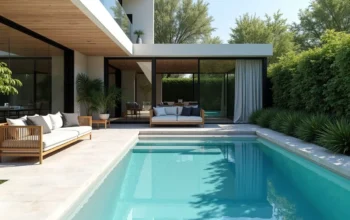
Outdoor areas are also being designed for greater use throughout the year, with features like covered patios, heaters, and retractable walls extending living spaces outdoors. This emphasis on flexibility recognizes that needs and preferences continue to evolve long after the initial purchase, ensuring that homes remain practical and enjoyable for the long term.
Trend Towards Smaller, More Efficient Homes
Smaller homes are emerging as a practical solution for buyers facing affordability challenges and those interested in reducing their ecological footprint. These efficiently designed homes do not sacrifice comfort; rather, they make the most out of every square foot. Builders are implementing open floor plans, built-in storage, and multi-functional furniture to maximize usability.
Downsizing is not only a cost-savvy decision but also a lifestyle choice for people prioritizing quality over quantity. This approach appeals to younger buyers and downsizers alike, reflecting a broader trend towards minimalist and intentional living.
In many regions, the popularity of accessory dwelling units (ADUs) and modular homes is growing alongside the trend toward smaller main residences. ADUs, often used as in-law units, rental apartments, or home offices, offer a way to boost property value and accommodate extended family without dramatically increasing the home’s footprint.
Meanwhile, modular and prefabricated homes allow for customization while speeding up the construction timeline and minimizing waste. These compact yet highly functional home models are attracting both urban dwellers and suburbanites seeking alternatives to traditional single-family dwellings, demonstrating a significant shift in how space is valued and utilized.
Adoption of Advanced Construction Technologies
Innovation is also reshaping the way homes are actually built. Builders are using digital tools and robotics to streamline workflow and ensure precision. Technologies like Building Information Modeling (BIM), 3D printing, and drones are enabling companies to plan and execute projects with greater accuracy and efficiency.
These advancements reduce human error, cut construction times, and enhance safety by reducing the need for manual labor in hazardous situations. Artificial intelligence-driven design programs are also helping builders deliver custom homes faster and more affordably.
Beyond efficiency, these advanced construction technologies enable new levels of creativity and customization. For example, 3D printing can produce bespoke architectural features and entire components that previously required lengthy fabrication, while drones allow for regular site monitoring and progress tracking from above.
Virtual and augmented reality are becoming routine tools, permitting prospective homeowners to experience detailed walkthroughs and make design choices before ground is even broken. This convergence of technology, creativity, and efficiency is transforming both the process and the end product, offering future homeowners the benefits of smart, safe, and beautifully crafted environments at unprecedented speeds.
Conclusion
New home construction is evolving rapidly to reflect the changing lifestyles, environmental concerns, and economic realities of today’s homeowners. By weaving smart technology, sustainability, flexibility, and efficiency into new homes, builders are not just meeting homeowner expectations but setting new standards for comfort, value, and quality. As the housing market continues to develop, homeowners and builders alike can expect even more innovative solutions dedicated to creating the homes of the future.
The crossover between innovation in design, sustainability, and digital tools provides fertile ground for creative solutions that might have been unimaginable only a few years ago. As new demands arise, we can expect customization, health, and wellness to become even more integral to home design, alongside advances in sustainable building materials.
Forward-thinking construction companies will continue to drive these changes, collaborating closely with homeowners, designers, and tech specialists to ensure that the next generation of homes is as future-proof and adaptable as possible. Ultimately, the shift being witnessed today sets the foundation for a more resourceful, connected, and homeowner-focused housing landscape—for today and tomorrow.