Building a new home is a transformative journey, filled with anticipation and opportunities. Whether you are seeking a family-friendly neighborhood, modern amenities, or a custom layout, building from the ground up can deliver all of these if you are prepared for the unique challenges as well as the rewards. If you are researching new construction homes Wesley Chapel, you have probably considered the benefits of personalizing every detail or ensuring your home meets the latest standards in energy efficiency. However, the process also demands time, patience, and a realistic budget.
Understanding the pros and cons of building a new home can help you make an informed decision and avoid surprises along the way. Weighing customization, energy savings, warranties, and the challenges of higher upfront investment or longer wait times is crucial for anyone embarking on this journey. The appeal of a fresh start is undeniable, but it is vital to know what to expect.
Contents
Advantages of Building a New Home
Customization to Fit Your Lifestyle
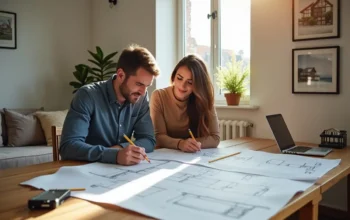
Perhaps the most compelling aspect of building new is customization. You dictate the home’s layout, finishes, fixtures, and even add unique features like smart technology, outdoor living spaces, or energy-efficient systems. This level of personalization is hard to match when buying a pre-owned home. Every space and detail, from kitchen cabinetry to flooring and lighting, can reflect your tastes and needs, creating a home that works for you and your family from day one.
For homeowners who know exactly what they want, this is an enticing option to ensure that their preferences are reflected in every aspect of the home. The ability to select everything from the color palettes to the style of doors and windows means you’re not only buying a home; you’re creating a personalized living experience. The level of involvement can extend as far as selecting lighting positions, storage solutions, and even landscaping features, enabling your vision to come to life in every square foot.
Enhanced Energy Efficiency
Building a new home allows for the integration of cutting-edge energy-efficient features. These might include high-performance insulation, advanced windows, tankless water heaters, energy-saving appliances, and smart thermostats. These upgrades can lower monthly utility bills and shrink your environmental footprint.
According to the U.S. Department of Energy, newly built homes typically outperform older homes in terms of energy usage, especially when it comes to heating and cooling. For further insight on trending energy-saving technologies in home construction, this resource from the National Association of Home Builders details the latest innovations and benefits.
Energy efficiency is not just about cost savings, but also about comfort and sustainability. New homes often feature better air sealing and insulation, leading to more consistent indoor temperatures year-round. Additionally, today’s builders have access to eco-friendly building materials and solar-ready designs, giving buyers the satisfaction of reducing their carbon footprint right from move-in. Over time, these enhancements can have a tangible effect on both your wallet and your quality of life.
Lower Maintenance Costs
With all systems, appliances, and materials being brand new, homeowners generally enjoy a period of reduced maintenance and repair costs. Most reputable builders offer structural and system warranties, protecting you from significant expenditures in the early years. Rather than worrying about replacing an aging roof or outdated HVAC unit, you can focus on making your new house feel like home.
Beyond immediate cost savings, the peace of mind that comes with knowing your home is protected under warranty is invaluable. This allows homeowners to spend their early years focusing on decorating, landscaping, or simply enjoying their new environment without being derailed by unexpected repairs. Many builders also use modern, durable materials that require less upkeep and help prolong the lifespan of your home’s exterior and interior elements.
Challenges of Building a New Home
Higher Upfront Costs
The financial commitment for new builds can be sizable. Expenses include the cost of purchasing land, construction materials, labor, permits, and unforeseen add-ons that often emerge during the build. While some costs are predictable, fluctuating supplier prices, changes to your plans, and market volatility can stretch your budget. Buyers should work closely with a reputable builder to establish a clear budget and contingency fund.
It’s essential to factor in expenses that may not be immediately obvious, such as landscaping, fencing, and window treatments, which are typically not included in a builder’s base package. As you progress through construction, you might also want to invest in high-end finishes or expanded outdoor living spaces, each of which will impact the overall budget. Planning for these possibilities upfront enables you to make smart, informed decisions and avoid financial surprises as your home takes shape.
Extended Timelines
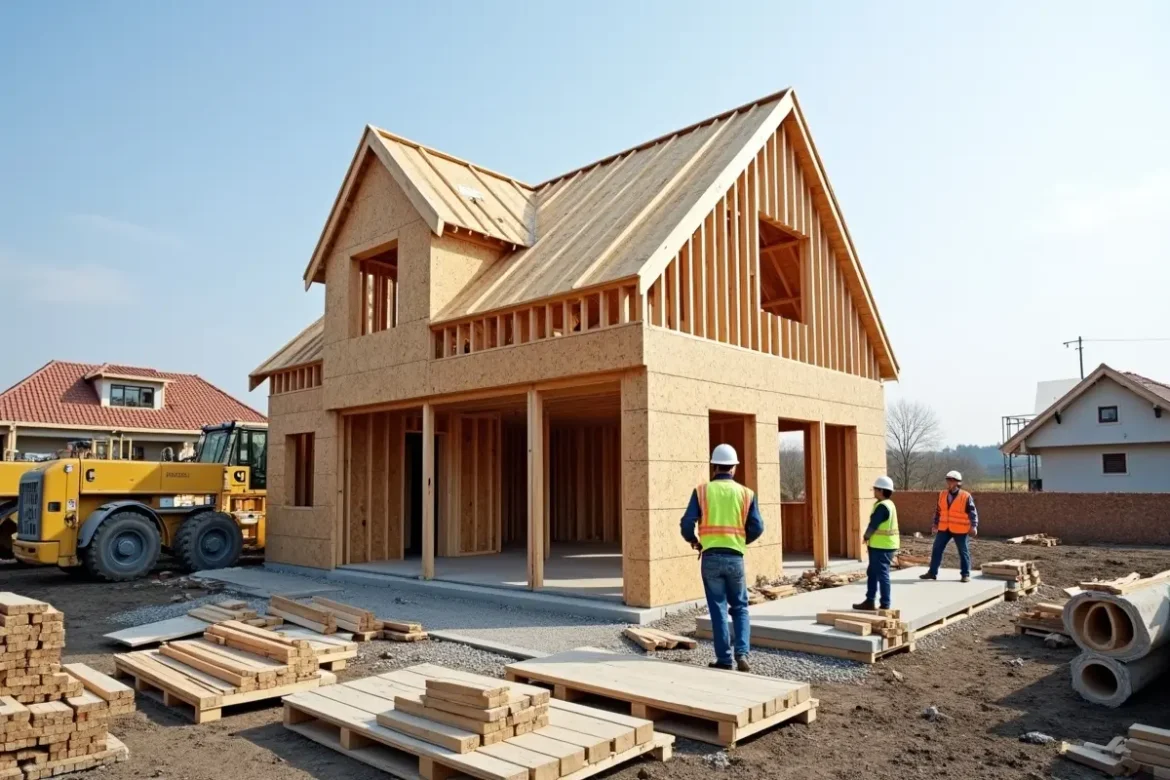
Building a home takes time, typically much longer than buying a move-in ready property. The full process can last from several months to well over a year, especially for custom designs or during periods of high demand. Many prospective homeowners must arrange temporary housing or extend rentals during this timeline, making flexibility and patience essential traits for those who choose to build.
The timeline may also be impacted by the complexity of your design or the need for specialized contractors. For those balancing family, work, and school schedules, timeline management can be stressful. Setting realistic expectations from the outset and staying adaptable as the process unfolds can safeguard your experience and minimize frustration should any unexpected setbacks occur.
Potential for Construction Delays
Even the best-laid plans can experience setbacks. Bad weather, delayed permits, labor shortages, or supply chain disruptions frequently cause scheduling changes. These delays may increase costs and require adjustments in your moving or financing plans. Proper planning and frequent communication with your builder are the best defenses against prolonged setbacks. The National Association of Home Builders provides helpful tips for anticipating and managing construction delays in its consumer resource section.
Planning regular check-ins with your builder, securing flexible lease agreements, and lining up contingencies for storage and temporary housing ensures you are prepared for the unexpected. By maintaining open lines of communication, you can quickly address issues, adapt to changes in the schedule, and help ensure your dream home is completed as smoothly as possible. It’s also a good idea to learn about the local regulations and seasonal weather patterns that could affect your particular build.
Is Building a New Home Right for You?
Building a new home is ultimately a personal decision that hinges on your preferences, patience, and resources. If designing a tailored space, enjoying modern amenities, and embracing energy-saving features outweigh the initial costs and time commitment for you, then constructing a new home can be tremendously fulfilling. On the other hand, if the prospect of a shorter move-in timeline, predictable pricing, and the ability to see exactly what you are buying is more appealing, purchasing an existing home may be a better fit.
No matter your decision, thorough research, careful vetting of builders, and a clear understanding of the process will set you up for success. Knowing your priorities and weighing both the advantages and challenges of building new can ensure your final choice supports your lifestyle and financial well-being for years to come.
Engage with homeowners who have recently built, read online forums, and attend open houses or builder events in your area to gather insight into current trends and builder reputations. This preparation helps set realistic expectations and creates a more enjoyable, empowering experience as you embark on your journey toward homeownership, whether you ultimately choose to build or buy an existing property.