Proper fireplace maintenance is essential for keeping your home safe and ensuring your fireplace works efficiently year after year. Regular attention can also help you avoid costly repairs, reduce the risk of fire, and give you peace of mind during the colder months. For those in the Southeast, professional chimney cleaning Atlanta, GA can be a valuable option for annual maintenance and chimney care.
Neglecting fireplace maintenance leads to increased creosote buildup, a higher risk of chimney fires, and the potential for toxic fumes to enter living spaces. By tackling a few maintenance tasks regularly, you can safeguard your home while enjoying the warmth and ambiance your fireplace provides.
From choosing the right firewood and keeping your chimney free of debris to managing ash and monitoring detectors, these tips will help you maintain a cozy and secure environment for your family. Investing time and care into fireplace maintenance means more worry-free nights around the hearth and a longer lifespan for your fireplace system.
Adopting a proactive approach also makes it easier to detect potential problems, such as damaged masonry or deteriorating components, before they become costly repairs or hazards. Consistent attention offers long-term benefits and greater comfort throughout the heating season.
1. Schedule Annual Inspections and Cleanings
Annual inspections and professional cleanings are essential for preventing hazardous conditions like creosote buildup and chimney blockages. According to the National Fire Protection Association, every fireplace and chimney should be checked by a professional at least once per year. Certified sweeps will remove soot and creosote, check for cracks or masonry issues, and ensure the damper and flue are operating properly. This step is the foundation of fireplace safety and efficiency.
2. Choose the Right Firewood
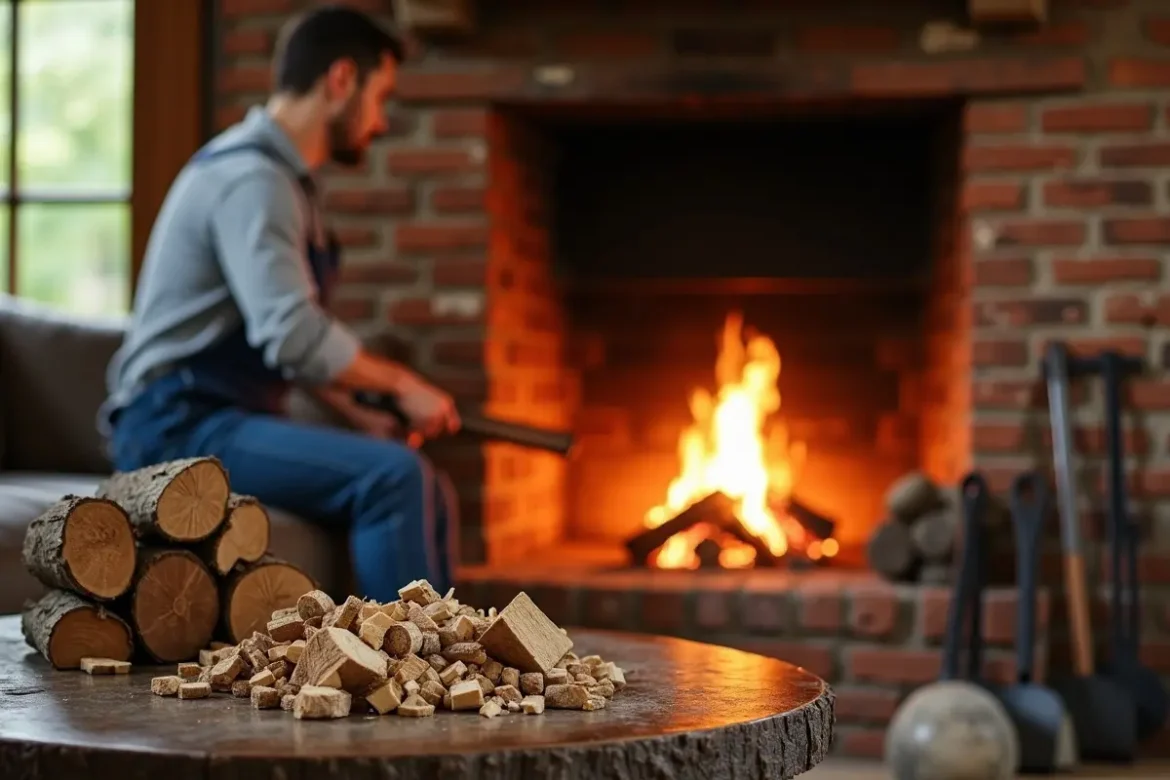
The quality of your firewood directly influences fireplace performance and safety. Always use seasoned hardwoods, such as oak, maple, or birch, that have been dried for at least 6 months. These woods burn steadily and produce less creosote than green, wet, or resinous woods like pine, which create excessive smoke and tar buildup. Proper wood selection not only keeps your fire burning cleaner but also protects your chimney from damage and clogs.
3. Practice Proper Ash Disposal
Too much ash inside the firebox impedes airflow, makes lighting fires more difficult, and can accelerate wear on your fireplace components. Wait at least three days after your last fire before disposing of ashes, as embers can remain dangerously hot for an extended period. Always use a metal container with a tight-fitting lid and store it away from any flammable materials. Never use plastic or paper containers, and keep your ash bin outdoors for added safety.
4. Manage the Damper Correctly
The fireplace damper is crucial for controlling airflow and optimizing both safety and energy efficiency. Keep the damper fully open whenever your fireplace is in use to allow smoke and fumes to escape freely. Closing the damper after the fire has completely cooled prevents warm air from entering your living space and prevents unwanted drafts and energy loss. Always check the damper’s condition during cleaning and inspection visits to maintain effective performance.
5. Install a Chimney Cap
A properly fitted chimney cap offers significant protection by keeping out rain, snow, debris, nesting animals, and leaves. By preventing moisture infiltration, it helps stave off costly masonry repairs and reduces the risk of chimney blockage or deterioration. Additionally, a cap with a spark guard also helps prevent stray embers from escaping onto the roof or lawn, further minimizing fire risks.
6. Monitor Smoke and Carbon Monoxide Detectors
Smoke and carbon monoxide detectors are a non-negotiable safety measure in every home with a fireplace. Test detectors monthly and replace batteries at least once per year, even if the device appears to be functioning. Immediate detection of rising smoke or CO levels is crucial in preventing serious health risks or property damage. Have extra detectors installed in sleeping areas and test their range to ensure full household coverage.
7. Clean Glass Doors Regularly
Dirty or clouded glass not only diminishes your enjoyment of the fire but can also result in permanent staining if left unattended. Wait until the glass is completely cool, then use a solution of dishwashing liquid and warm water, or a diluted household vinegar and water solution. Wipe the glass with a lint-free cloth or newspaper to restore clarity and let in more of the fireplace’s glow.
8. Adopt Safe Burning Practices
Responsibility is key for every fireplace user. Never leave an active fire unattended, and keep all flammable materials and home furnishings at a safe distance. Use a sturdy fireplace screen to catch flying embers or sparks, and never operate a fireplace with damaged components. Encourage household members to respect these practices as part of your family’s regular routine.
Proper fireplace maintenance prevents accidents, preserves your home investment, and ensures you can enjoy the warmth and beauty of your hearth for years to come. Take these proactive steps each year to promote a safer, more comfortable home environment.