Want to keep your heat pump or air conditioner running strong for years?
You’re not alone if you neglect your cooling system until something goes wrong. And by the time something goes wrong… well… it’s too late.
Don’t stress. With proper care and maintenance, it’s possible to add years onto any cooling system.
What You’ll Discover:
- How long you can expect your cooling system to last
- What DAMAGES cooling systems prematurely
- 6 Ways to make your cooling system LAST longer
- Signs you NEED to replace your cooling system
Let’s dive in!
How Long Should Your Cooling System Last?
Hold up. Before we teach you how to make your cooling system last longer… let’s talk about why it matters.
According to the U.S. Department of Energy, upgrading older HVAC systems to energy efficient models can save homeowners 20-50% on energy usage.
That’s a huge chunk of change if you ask me.
But…
You have to have a system that lasts long enough to take advantage of those savings. Each year your cooling system remains healthy and efficient is another year you’re saving money. Every time you have to replace that system prematurely, you’re throwing thousands of dollars away.
A heat pump can last about 14 years when properly maintained. Some can make it 20+ years. Others fall well short of that. How your cooling system is treated plays a giant role in how long it will last.
For curious homeowners wondering how much a heat pump costs, use a heat pump price calculator that can give you an idea on pricing for replacements. But really… you should do everything you can to keep that replacement as far in the future as possible.
What Kills Cooling Systems?
Just like anything in life, there are certain things that cause cooling systems to break down faster.
If you know what kills cooling systems, you can avoid those causes!
Will your cooling system last longer? Sure! Does this information guarantee your system will make it to sunlight’s revered 112 years? Of course not. But it’ll give you a better shot.
Here are the leading causes of cooling system fatalities:
- Dirty air filters
- Infrequent maintenance
- Improper installation
- Refrigerant leaks
- Thermostat troubles
You can practically say all of these are preventable with just a little awareness and effort.
Check out what the Air-Conditioning, Heating and Refrigeration Institute has to say:
“Heat pumps are designed to last about 14 years if recommended maintenance is performed annually.” Keep skipping those yearly maintenance appointments? You’ll see problems arise much sooner.
6 Ways To Make Your Cooling System Last Longer
Nice, now that we got the basics out of the way. Here are 6 ways to make your cooling system last longer.
These tips apply to heat pumps, central air conditioners, and most residential cooling systems.
Change Out Your Air Filter
It’s easy to overlook…but changing your air filters is one of the best ways to extend the life of your cooling system.
How come?
Simple. Clogged and dirty filters make it hard for your cooling system to push air through your home. When air can’t flow freely, your system has to work harder. The harder your system works, the faster it wears down.
Here’s what to do:
Check your air filters every month during peak seasons. Replace them every 1-3 months depending on your home’s environment. If you have pets, allergies, or constantly run your cooling system… you might need to replace them more often.
A clean filter equals free airflow and less strain on your compressor.
Schedule Regular Maintenance
Once a year? No way. Bi-annual maintenance is the sweet spot.
Why twice a year? Because you should have your cooling system serviced once before cooling season starts and once before the heating season starts.
During these maintenance visits your tech will:
- Check refrigerant levels
- Clean the coils
- Check electrical connections
- Test system performance
- Identify any potential problems
It’s like getting your cooling system a check-up at the doctor. Letting things go for too long will cause the system to break down.
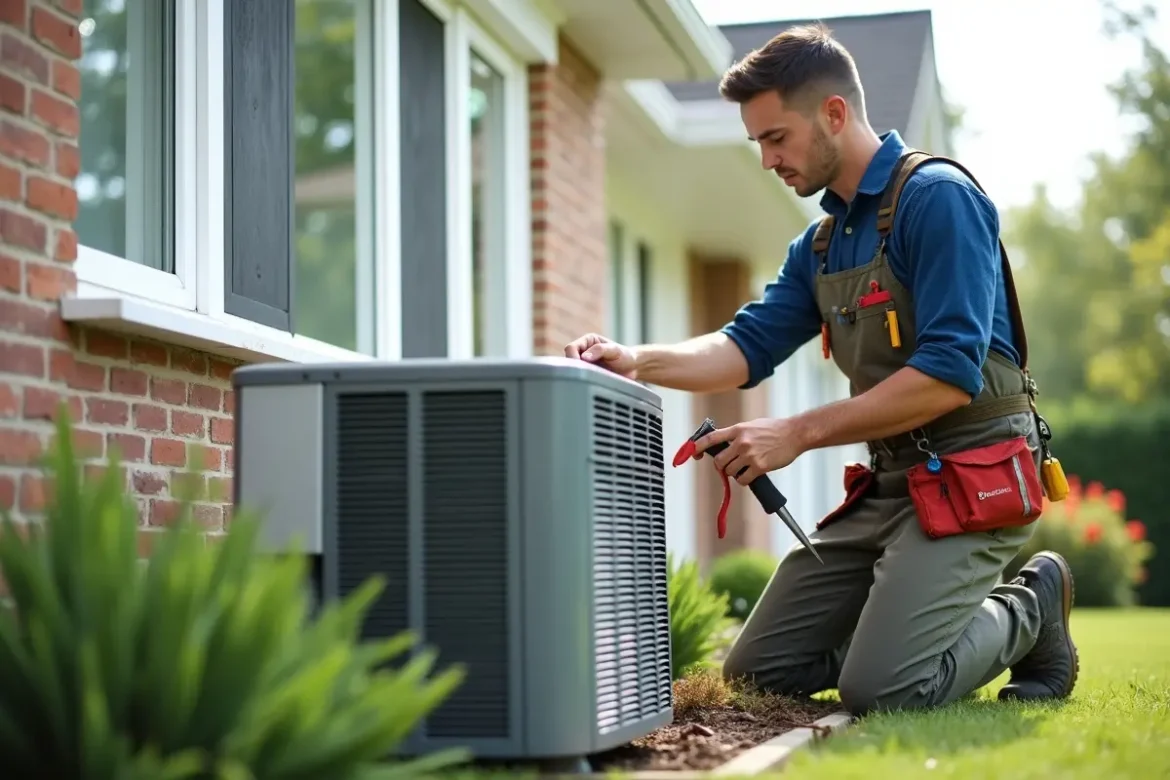
Clean Around Your Outside Unit
Your outside condenser unit requires some space to operate.
Weeds, grass, dirt, bugs, leaves, and general debris can all clog up your outdoor unit. Reduced airflow means your compressor must work harder to produce cool air.
Make sure you:
- Leave 2-3 feet of clearance around your unit.
- Trim back bushes/vegetation
- Rinse off the fins with water from a garden hose.
- Pick up debris after storms.
Taking 5 minutes to keep your outside unit clean can save you from future headaches and costly repairs.
Don’t Ignore Problems
Weird noises coming from the closet? Weak airflow? Spotty cooling? Increased utility bills?
These are all signs something’s not right with your cooling system.
DON’T IGNORE THESE SYMPTOMS!
Little issues turn into big problems. Fast.
That tiny refrigerant leak could cause your compressor to fail down the road. That minor electrical connection might cause your whole system to go up in smoke during the middle of summer.
You don’t want to be that guy who waits until his system breaks to call us. Trust me.
Upgrade Your Thermostat
Got a tired old thermostat controlling your new heating system?
It might be time for an upgrade.
Smart or programmable thermostats can help you avoid excess cooling system cycling and keep temperatures more consistent throughout your home.
Some benefits of a smart thermostat include:
- Decreased energy usage
- Less stress on your compressor
- Easier temperature management
- Decreased energy bills
Think about how long a thermostat lasts vs how long your actual cooling system lasts. If your thermostat is outdated, you could be slowing your cooling system down and costing yourself money on utilities.
Upgrade that thermostat and watch your savings grow.
Seal Those Ducts and Boost Your Insulation
Speaking of money, did you know leaky ducts and poor insulation can cost you money?
Heat rises people. If your cooling system is fighting to keep cool air from escaping every time it runs… it’s going to wear down faster.
Sealing those ducts and boosting your home’s insulation helps your cooling system do its job and doesn’t have to run as much.
Both of these things reduce the strain on your HVAC system which could lead to a longer lifespan.
Time To Replace Your Cooling System?
Like with anything in life, your cooling system will never make it to infinity and beyond.
Eventually, your cooling system will fail and need to be replaced. Here are a few telltale signs it’s time to start thinking about a replacement instead of another repair:
- Your cooling system is over 15 years old
- Repair costs will exceed the value of your cooling system
- Energy bills continue to rise month after month
- You have rooms that are always hot or cold
- Strange noises are frequent
- Your system uses an outdated refrigerant
You could probably keep throwing money into an aging cooling system, but will you really save that much? Of course not.
By the time your cooling system hits double digits, it’s probably not worth repairing anything over $500.
Think of how much you could save by upgrading to a newer, more energy-efficient model.
Throwing Money At A New Cooling System vs Saving
There you have it.
Steps you can take to make your cooling system last longer. Here’s a quick recap:
- Change your air filters every 1-3 months
- Schedule bi-annual maintenance
- Keep 2-3 feet of clearance around outside units
- Don’t ignore problems
- Upgrade your thermostat
- Seal ducts and improve insulation
Follow these tips and you can add years on to your cooling system. That means less emergency repairs, savings on monthly energy bills, and enjoyable temps when summer rolls around.
Don’t follow these tips. That means you’ll be stuck paying for an expensive, preventable replacement way sooner than you should.
Choose what’s best for you and your wallet.