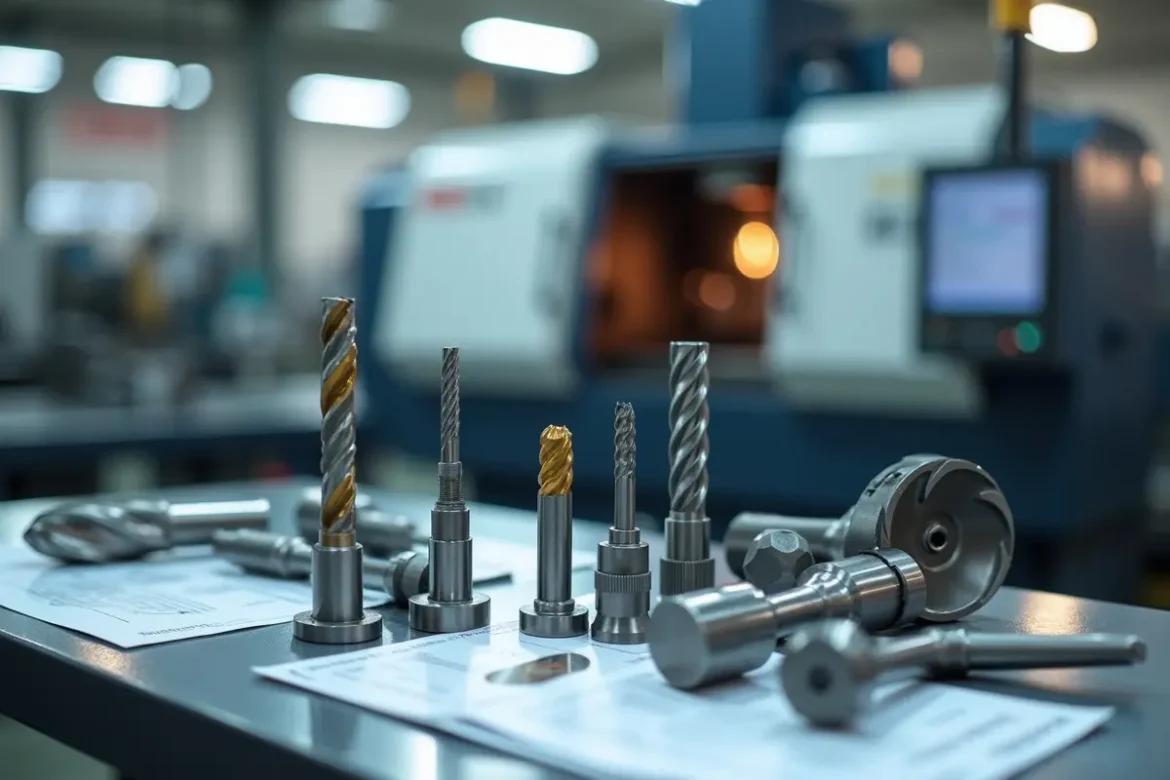
Choosing the right CNC cutting tools isn’t just a purchasing decision—it’s a performance and profitability decision. The tools you select directly affect cycle times, surface finish, scrap rates, and overall machine efficiency.
For shops balancing tight margins with increasing production demands, understanding how to evaluate tooling properly can prevent unnecessary costs and downtime. Working with a reliable source like cnc tools providers helps machinists compare options with confidence while focusing on long-term performance instead of short-term savings.
Many shops make the mistake of evaluating tools based on price alone. While upfront cost matters, it’s rarely the best indicator of overall value. A lower-cost tool that wears quickly or causes inconsistent results often costs more over time than a higher-quality alternative. Evaluating CNC tools correctly means looking beyond the sticker price and understanding how design, materials, and application affect performance.
Key Specifications That Matter When Comparing CNC Tools
When comparing CNC cutting tools, specifications tell a deeper story about how a tool will perform in real-world machining conditions. One of the most important factors is tool material. Carbide tools, for example, offer superior hardness and heat resistance compared to high-speed steel, making them better suited for high-speed and high-feed applications.
Coatings are another critical specification. Advanced coatings reduce friction, improve heat resistance, and extend tool life. The right coating can significantly improve performance when cutting abrasive materials or running longer production cycles. Ignoring coating options often leads to premature wear and inconsistent results.
Tool geometry also plays a major role. Flute count, helix angle, and cutting edge design all influence chip evacuation and surface finish. Tools with optimized geometry reduce cutting forces, which helps protect both the tool and the machine spindle. Proper geometry selection is especially important when machining harder materials or running aggressive toolpaths.
Tool holding is just as important as the cutting tool itself. Poor clamping can introduce runout, vibration, and inconsistent cutting depth. Choosing the right cnc collets helps ensure proper concentricity and stability, which directly impacts tool life and part accuracy.
Another often-overlooked specification is recommended cutting parameters. Feed rates, spindle speeds, and depth of cut guidelines are based on extensive testing. Tools that provide clear, reliable data make it easier to dial in optimal performance without excessive trial and error.
Material compatibility should always be considered. Tools designed for aluminum may perform poorly in steel or stainless applications. Matching the tool to the material prevents excessive wear and helps maintain predictable results across production runs.
Finding the Right Balance Between Price, Performance, and Tool Life
Finding the right CNC tool isn’t about choosing the cheapest or most expensive option—it’s about finding the best balance between cost, performance, and durability. This balance determines how efficiently a shop can operate over time.
Tool life is a major factor in total cost. A tool that lasts twice as long but costs slightly more often delivers better value by reducing tool changes, downtime, and scrap. Longer tool life also improves consistency, which is critical for maintaining tight tolerances and repeatability.
Performance impacts productivity directly. Tools that allow higher feed rates or deeper cuts reduce cycle times and increase throughput. Even small gains in performance can add up significantly across large production volumes.
Consistency is another key consideration. Predictable wear patterns make it easier to plan tool changes and avoid unexpected failures. Inconsistent tools increase the risk of part defects and machine damage, which can be costly to correct.
Application-specific tooling often provides the best balance. General-purpose tools may work across multiple materials, but specialized tools are designed to excel in specific conditions. For demanding operations, investing in high performance end mills often results in better finishes, longer life, and more stable cutting behavior.
Shops should also consider support and availability. Reliable tooling suppliers provide technical guidance, application recommendations, and consistent inventory. This support helps machinists make informed decisions and adapt tooling strategies as production needs change.
Ultimately, evaluating tools over time—not just at purchase—provides the clearest picture of value. Tracking tool life, performance metrics, and part quality helps identify which tools truly deliver return on investment.
Conclusion
Evaluating CNC cutting tools requires a balance of technical understanding and practical experience. By focusing on key specifications, application requirements, and long-term performance, shops can make smarter tooling decisions that improve efficiency and reduce costs. The right tools don’t just cut material—they support consistent quality, predictable production, and sustainable profitability. When performance and cost are evaluated together, CNC tooling becomes a strategic advantage rather than a recurring expense.