Designing a custom home is an exciting journey, but it can also feel overwhelming. With endless options for layouts, finishes, and features, many homeowners struggle to turn their ideas into a space that genuinely feels personal. Too often, homes end up looking polished but impersonal, as if they were designed for a catalog rather than real life.
A home that feels “truly yours” goes beyond style. It reflects how you live, what you value, and how you want to feel in your space every day. By approaching the design process with intention and clarity, you can avoid common pitfalls and create a home that feels comfortable, functional, and deeply personal from the moment you walk in.
Begin With Your Lifestyle, Not Trends
The most important design decisions should be guided by how you live, not what’s popular at the moment. Before choosing layouts or finishes, take time to think about your daily routines. Consider how you move through your home, where you spend the most time, and what currently feels inconvenient in your living space.
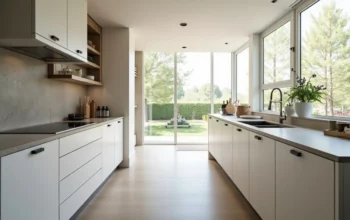
For example, someone who loves cooking may prioritize a kitchen designed for efficiency and connection, while someone who works from home may need quiet, flexible spaces. Designing around real habits ensures the home supports your lifestyle rather than forcing you to adapt to it.
Clarify What “Personal” Means to You
Personal design doesn’t mean filling a home with bold features or dramatic details. For some, it means calm, neutral spaces that feel peaceful. For others, it may involve expressive colors, unique textures, or meaningful design elements inspired by travel or memories.
Gather inspiration, but look for patterns instead of copying individual ideas. Notice which materials, layouts, or moods consistently resonate with you. This helps create a cohesive vision rather than a collection of unrelated design choices.
Focus on Layout Before Finishes
It’s tempting to dive straight into choosing countertops, flooring, or fixtures, but layout should always come first. A beautiful finish won’t compensate for a space that doesn’t function well.
Think carefully about room flow, storage placement, and how spaces connect. Consider sightlines, natural light, and privacy. A thoughtful layout creates comfort and ease, making the home feel intuitive rather than awkward. When the structure works, finishes naturally enhance the design instead of trying to fix it.
Design With Flexibility in Mind
A truly personal home isn’t static—it evolves with you. Families grow, work arrangements change, and priorities shift over time. Designing flexible spaces allows your home to adapt without major renovations.
Multi-purpose rooms, adaptable layouts, and neutral foundations provide long-term versatility. This approach not only supports future needs but also adds lasting value to the home. A flexible design ensures your home remains relevant and comfortable for years to come.
Balance Timeless Design With Individual Expression
One of the biggest challenges in custom home design is balancing personal expression with longevity. Highly trend-driven choices can feel dated quickly, while overly cautious designs may lack warmth or character.
A good strategy is to anchor the home with timeless elements—such as classic proportions, durable materials, and neutral backdrops—then layer in personality through details. Decorative lighting, finishes, and textures can be updated more easily, allowing your home to evolve without losing its core identity.
Where Thoughtful Guidance Makes a Difference
Translating personal ideas into a cohesive design often requires experience and perspective. Understanding structural limitations, local requirements, and construction realities can be challenging for homeowners navigating the process for the first time.
Many homeowners exploring Washington custom homes find that working with experienced professionals helps refine ideas, identify potential issues early, and ensure design choices align with both lifestyle goals and practical considerations. This collaborative approach can make the process smoother and more rewarding.
Stay Involved and Communicate Clearly
Even with expert support, homeowner involvement plays a key role in achieving a personal result. Regular communication, reviewing plans carefully, and asking questions help ensure your vision is accurately represented.
Design decisions often build on one another, so staying engaged helps prevent misunderstandings and last-minute changes. Clear communication also builds confidence, making the experience feel collaborative rather than stressful.
Don’t Overlook the Small Details
What makes a home feel truly personal is often found in the details. Storage placement, lighting control, outlet locations, and everyday functionality have a significant impact on comfort.
Thinking through these details early helps avoid frustration later. When a home supports daily routines seamlessly, it feels intentional rather than improvised. These subtle choices often make the biggest difference in how a home feels over time.
Final Thoughts
Designing a custom home that feels truly yours requires more than selecting finishes or following inspiration boards. It’s about aligning design choices with your lifestyle, values, and long-term needs.
By focusing on function, flexibility, and thoughtful personalization, you can create a home that feels authentic and comfortable—not just impressive. When design reflects who you are and how you live, the result is a space that feels welcoming, meaningful, and unmistakably yours.