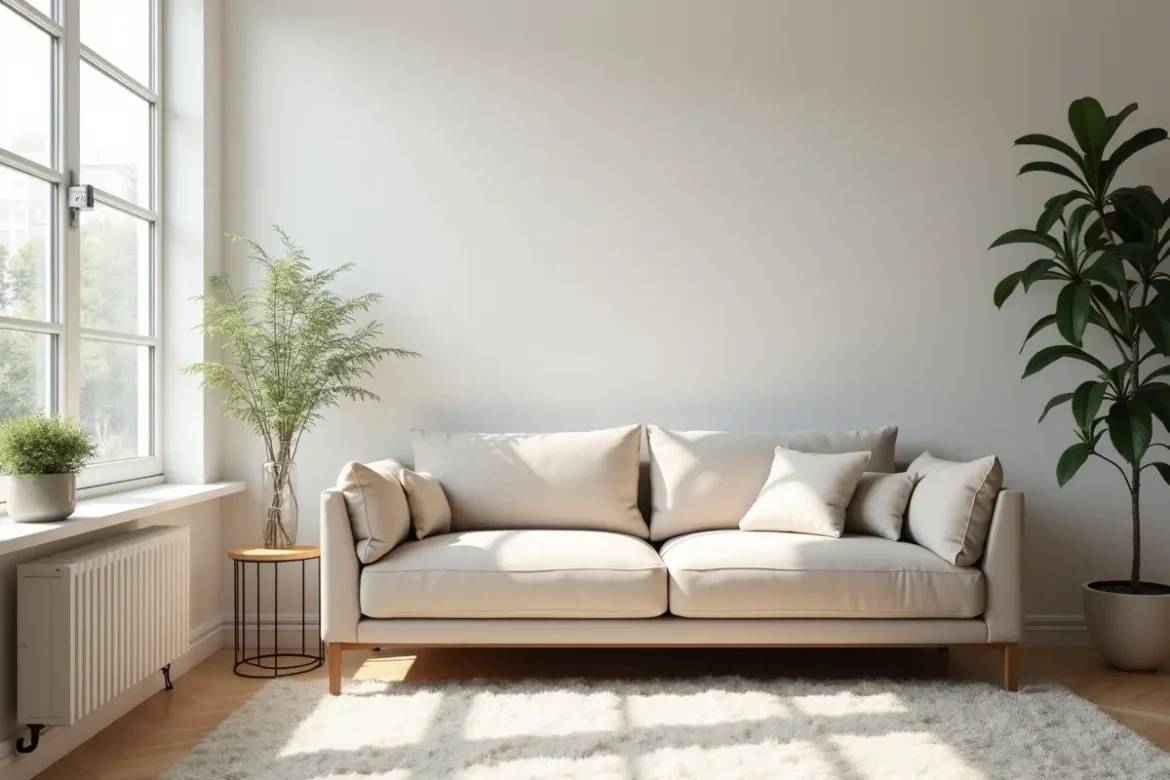
Finding furniture that fits in a limited living area, while still looking good and working well, is a challenge many apartment dwellers and homeowners face. Small spaces force you to be picky so you don’t end up with a room that feels crowded or uninviting.
The right sofa for your small space balances proper dimensions with comfort, durability, and aesthetic appeal to maximize your available square footage. More brands are rolling out compact designs built for smaller rooms – think modular sofas, sleepers, or clever storage built in.
If you know which features matter most for your layout, you’ll be able to make a smarter investment. Let’s check out a few specific sofa models tested for small spaces, plus some tried-and-true layout tips to help even the tiniest room feel more open.
Contents
1) DreamSofa Amsterdam Sofa Sleeper
The DreamSofa Amsterdam is a dual-purpose pick for compact living. By day, it’s a streamlined sofa; when you need it, it converts into a bed.
This design keeps things efficient. Narrow arms, a low back, and raised legs help the piece look lighter and less bulky in your space.
If you’re working with limited square footage, the slim profile is a lifesaver. You can tuck it into apartments, studios, or small rooms without blocking walkways or making things feel tight.
DreamSofa lets you customize this model. Choose your mattress type, and pick from twin, full, or queen sizes to fit your needs. The fabric is stain-resistant, and construction is solid – so it should last.
2) IKEA EKTORP Loveseat
The IKEA EKTORP Loveseat is a practical option for small spaces. Its compact design fits neatly in tight rooms and seats two people comfortably.
Removable, machine-washable covers make cleaning a breeze – something you’ll really appreciate if your furniture gets a lot of use. There’s a good range of colors and fabrics, so matching your decor or changing things up is easy.
Classic cushions and a supportive frame keep it comfy. The armrests are slim, saving space but not sacrificing comfort during long movie nights.
If you want to get creative, third-party slipcovers are everywhere. That extends the loveseat’s lifespan and lets you personalize it. Plus, since it’s a popular model, replacement parts and covers are easy to find.
IKEA’s warranty is a nice bonus, and the EKTORP’s reputation for durability is well earned. The dimensions work for studios, small living rooms, or even as extra seating in a bedroom. Its simple look won’t take over your space visually.
3) West Elm Andes Leather Sofa
The West Elm Andes Leather Sofa is compact but doesn’t skimp on style. At just over 76 inches, it fits into smaller living rooms but still has that signature Andes vibe.
Thin arms and cast metal legs give it a lighter, modern look. The sofa feels less bulky, so your room looks bigger. The seat is deep enough for lounging, even though the overall profile is streamlined.
Leather upholstery adds durability and a polished finish. It stands up to daily use and keeps looking sharp. The crisp tailoring helps it blend with different decor styles.
The frame is well built, and the metal legs keep things sturdy. You can pick from a few leather options to match your space.
If you want a statement piece that won’t eat up your living room, this is a solid choice. The balance of modern style and practical size makes it a good fit for apartments and smaller homes.
Key Considerations When Choosing Sofas for Small Spaces
Picking a sofa for a small room means weighing size, function, material, and how you’ll actually get it into your home. Each piece of the puzzle matters if you want your furniture to help – not hurt – your space.
Size and Scale
The size of your sofa will make or break how open your room feels. For most small living rooms, look for sofas under 74 inches wide so they don’t crowd the floor plan.
Depth counts, too. Shallower seats – about 30 to 36 inches – let people move around and make the room look bigger. Lower backrests also help the space feel more open.
Key measurements to check:
- Width: Under 74 inches for tight spaces
- Depth: 30-36 inches for optimal balance
- Arm style: Slim or track arms add seating space without bulk
- Leg height: Exposed legs create an airy feel beneath the frame
Light upholstery and clean lines help make your room feel larger. Steer clear of chunky cushions or big arms – they eat up space without adding much function.
Multi-Functionality
In small spaces, your furniture should work overtime. Sleeper sofas double as guest beds, so you don’t need a separate sleeping spot.
Some designs hide storage under the cushions or inside the frame, which is a lifesaver for stashing blankets or whatever else you need out of sight. Modular sofas are flexible – you can rearrange them as your needs change.
Look for ottomans that can be used as coffee tables or extra seats. Some sofas have reversible chaises, so you can switch up your layout. These tricks help you get more from every piece without cluttering things up.
Material and Durability
Small, busy spaces need tough upholstery. Microfiber and performance fabrics fight off stains and wear better than most traditional options.
Leather and faux leather are easy to wipe down and hold up well, especially if you have pets or kids. The frame matters, too – hardwood is sturdier and lasts longer than particleboard.
For cushions, high-density foam keeps its shape and stays comfortable longer. Cheap fill sags fast, which isn’t what you want in a small space where every seat counts.
Ease of Delivery and Assembly
Getting a sofa into a small apartment can be a headache. Always measure your doorways and hallways before you buy, just to be safe.
Modular or sectional sofas usually come in smaller boxes, making them easier to get through tight spaces. Some brands even package their sofas with city living in mind.
Assembly can be simple or a pain, depending on the brand. Some arrive ready to go; others need you to attach legs, connect pieces, or fluff cushions. Check if you’ll need tools or an extra set of hands – don’t forget to factor that in.
Space-Saving Sofa Layout Tips
How you set up your sofa can totally change the feel of a small room. The right placement keeps things functional and helps your space feel bigger than it is.
Maximizing Floor Space
Try putting your sofa against the longest wall. This opens up the middle of the room and keeps pathways clear.
If your room is narrow, sometimes “floating” the sofa away from the wall works. Leave 12 to 18 inches behind it for a bit of depth – it helps avoid that boxed-in vibe.
Pick a sofa with a shallower depth (like 28 to 32 inches) instead of the standard 36. You’ll save floor space without losing comfort.
In a square room, placing your sofa at a 45-degree angle in a corner can break up the boxy look and help separate zones.
Creating Visual Openness
Sofas with legs at least 4 inches off the ground let you see more floor, making the room feel lighter and airier.
Low-profile sofas with slim arms and backs won’t block sightlines. Even in a tiny room, these pieces keep things feeling open.
Curved shapes can soften up a boxy layout and make the space flow better. Rounded edges are easier on the eyes than sharp corners.
Light upholstery reflects more light and helps your sofa blend in. Neutrals and soft colors keep things from feeling crowded.
Arranging with Other Furniture
Try placing accent chairs at a right angle to your sofa, instead of straight across. This L-shaped setup makes the most of corners and helps keep the middle of the room nice and open.
Nesting tables or C-shaped side tables can be lifesavers. They slide under sofa arms when you don’t need them, so you get extra surface space without cluttering up the floor.
Consider mounting your TV on the wall. You might even skip the bulky media console, or just go for a slim wall-mounted shelf instead.
That way, you lose a big piece of furniture and suddenly have a bit more breathing room.
Try to leave at least 18 inches between your sofa and the coffee table so people can move around comfortably. If things are really tight, you could swap the coffee table for a pair of small ottomans – they tuck away under a console when you need the space.