Want to create the perfect outdoor living space on your patio?
Outdoor wicker furniture has been a homeowner staple for decades, and for a reason. It looks amazing, it’s super comfortable, and… if you know what to look for, it can last for years.
Here’s the issue:
Not all wicker outdoor furniture is created equal. Some pieces start falling apart after one season. Others will stay looking fresh and new for 15+ years. The difference? Knowing exactly what to look for.
In this guide, you’ll learn everything you need to know to choose the right wicker outdoor furniture that will actually stand the test of time.
Let’s dive in…
What You’ll Learn:
- Why wicker works so well for patios
- The critical difference between natural and synthetic wicker
- 5 quality indicators to check before buying
- How to make your wicker furniture last longer
Why Wicker Works So Well for Patios
The outdoor furniture market is booming.
In fact, according to Fortune Business Insights, the global market size hit USD 53.27 billion in 2024 and is expected to reach USD 81.44 billion by 2032.
That’s a lot of patio furniture.
And one style keeps dominating for home design lovers everywhere. Whether browsing modern collections or visiting in-person stores, wicker outdoor furniture consistently ranks in the top 5 choices for patios, decks, and outdoor entertaining areas.
Why is that?
Because wicker is strong on multiple fronts…
- Style versatility. Wicker furniture works with just about any style. Traditional gardens? Check. Sleek, contemporary patios? Absolutely. Coastal vibes? Perfect fit.
- Lightweight construction. Unlike heavy metals or concrete, wicker pieces are surprisingly easy to move. Rearranging for a party or gathering takes minutes, not hours.
- Natural comfort. The woven design has a slight give when you sit. Add some good cushions, and you have outdoor seating that rivals indoor couch comfort.
Kind of cool, right?
The Critical Difference Between Natural and Synthetic Wicker
Buyers make this mistake all the time. Natural wicker furniture uses plant materials like rattan, bamboo, or willow. It’s stunning and works really well… indoors. But put it outside? Rain, sun, and humidity? All the sudden issues crop up in a hurry.
Strands loosen, mould sets in, and the entire piece looks like it’s going to fall apart after just a couple of seasons.
Synthetic wicker changes the game.
Manufactured from materials like high-density polyethylene (HDPE), synthetic wicker laughs in the face of whatever the weather throws at it. Torrential rain, blistering sun, humidity? Doesn’t matter. These materials weather the extremes without the nasty side effects that destroy natural materials.
5 Quality Indicators to Check Before Buying
Struggling to know how to spot good quality wicker furniture? Five tell-tale indicators separate the winners from the wasters.
1. Frame Material Matters Most
The frame is the foundation of any wicker furniture piece. If the frame isn’t solid, even the best weaving quality won’t matter because eventually, everything falls apart.
Look for the following frame materials:
- Aluminium – Lighter than a feather, rust-proof, and ultra durable
- Powder-coated steel – Tough, but heavier and needs rust-proof coating
- Teak or hardwood – Gorgeous but needs a bit more maintenance
Steer clear of thin steel frames. They bend, they break. They’re cheaper in the short-term, but they always cost more in the long-run with replacements needed every few years.
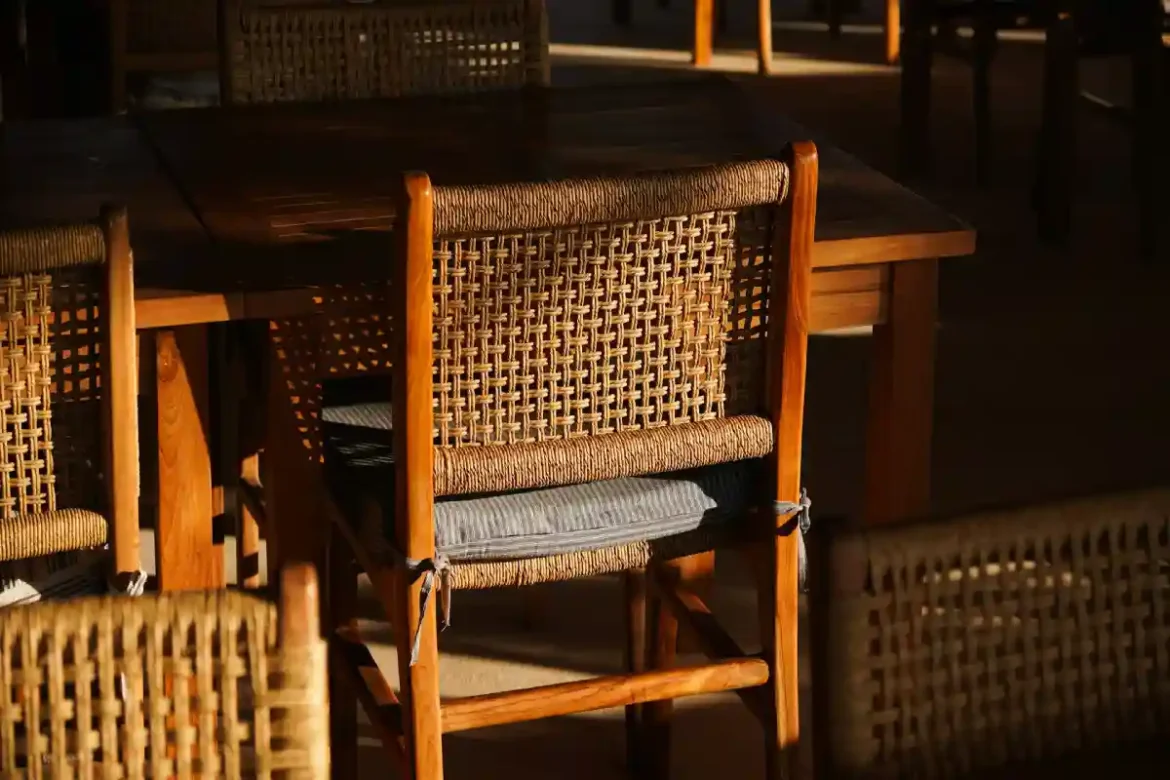
2. Weave Tightness and Uniformity
Grab the furniture piece and run your hand across the weave. Feel how it looks. Are there gaps or loose weaves? Loose weaving is the kiss of death.
Not only does it trap dirt and moisture, but the tight tension on quality weaves will hold their shape for years. The best pieces are handwoven. Yes, people actually hand-weave the furniture you see in-store.
3. UV Resistance Rating
The Australian sun is harsh on outdoor furniture. Without good UV protection, colours fade after a few months and materials start to become brittle.
Quality synthetic wicker has UV stabilisers built right into the material itself. This isn’t a coating that wears off. It’s part of the very structure. Don’t hesitate to ask specifically about UV resistance when purchasing.
4. Weight and Stability
This is one quick test anyone can do in-store…
Pick the furniture up off the floor. How much does it feel? Quality wicker has a bit of weight to it without being a herculean task to lift. If it feels flimsy or moves around a lot when you push against it, put it back.
You also want to check how furniture pieces settle on uneven ground. Good quality pieces maintain stability even on not-perfectly-level surfaces.
5. Warranty Length
If the manufacturer isn’t prepared to stand behind their product with a solid warranty, that’s a sign something’s not quite right. Look for warranties of at least 2 to 3 years on frames and weaving at a minimum.
Short warranties or no warranty at all? The manufacturer doesn’t expect it to last.
How to Make Wicker Furniture Last Longer
I’m going to let you in on a secret. Even top-quality wicker outdoor furniture requires a little maintenance. The good news? It takes minimal effort.
- Regular Cleaning. A mild soap and water wash every few weeks removes dirt and prevents buildup. Use a soft brush for the weave, not something too harsh.
- Cushion Care. Bring cushions indoors during heavy storms or if you know you won’t be using the furniture for a while. Most outdoor cushion fabrics are fine in the light rain but long periods of moisture cause mildew to form.
- Protective Covers. During off-seasons or if you know you’re not going to be using the furniture during a period of extreme weather, covers dramatically increase furniture life. They block UV rays and prevent debris accumulation.
- Avoid Direct Ground Contact. If possible, place furniture on paving, decking, or concrete instead of directly on grass. This reduces moisture exposure from below the furniture.
- Check Fasteners Annually. Bolts and screws can loosen over time. Once per year is a good rule of thumb. Tighten things up to prevent wobbling and structural issues.
Wrapping Things Up
Choosing long-lasting wicker outdoor furniture really isn’t as difficult as it seems.
Focus on synthetic wicker with high-quality frames. Check tightness of the weave and UV resistance. Insist on warranties that show confidence from the manufacturer.
Do these 3 things, and that patio furniture investment pays dividends for years.
So just to recap real quick:
- Synthetic wicker trumps natural wicker when used outdoors
- Aluminium frames offer the best strength-to-weight ratio
- Tight, even weaves indicate superior craftsmanship
- UV resistance is a must for Australian weather conditions
- Basic maintenance goes a long way to extend furniture life
Homeowners are flocking to the outdoor furniture market in record numbers because everyone recognises the value of quality outdoor living spaces. With the right wicker furniture, every patio becomes an extension of the home… comfortable, stylish, and built to last.