Keeping your home’s plumbing in peak condition is one of the most effective ways to avoid unexpected expenses and water emergencies. By taking a proactive approach to regular plumbing care, you’ll not only extend the lifespan of your system but also help conserve water and safeguard your home from damage. If you notice slow drains, frequent clogs, or strange odors in your pipes, consider professional drain cleaning services to maintain the integrity of your plumbing system.
Prevention is always better than costly repairs. Simple habits, such as monitoring your pipes, checking fixtures, and scheduling periodic inspections, can help detect minor issues before they escalate. Developing a routine plumbing maintenance plan significantly reduces the risk of severe leaks, expensive damage, and inconvenient disruptions to your daily life.
Additionally, maintaining thoughtful disposal habits, performing seasonal checks, and carefully managing water pressure help ensure that all parts of your system run efficiently. You’ll also create a safer home environment for your family, reduce water bills, and support sustainable water use over time.
When inspecting your plumbing, remember that professional support is invaluable for complex issues or detailed annual checkups. Licensed plumbers possess the expertise to identify hidden vulnerabilities and provide recommendations tailored to your specific property. For further tips and in-depth advice, reputable resources such as Family Handyman offer practical guidance on household plumbing care.
Conduct Regular Inspections
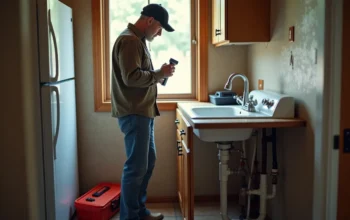
Spend a few minutes each season examining pipes, joints, and fittings, especially under sinks and around appliances. Inspect for any signs of leaks, rust, water stains, or moisture buildup. Even a small drip can waste significant amounts of water over time and escalate into major water damage. Pipes in basements and attics are particularly vulnerable—address any concerns early for peace of mind.
Practice Proper Disposal Habits
Keeping your home’s drains healthy is primarily shaped by what you put down them. Avoid flushing anything besides human waste and toilet paper. In kitchens, never pour cooking grease or food debris down the drain, since fats and solids can solidify and restrict water flow. Instead, collect the grease in a container for disposal. These best practices help reduce the risk of blockages and preserve your plumbing’s condition.
Implement Seasonal Maintenance
Each season brings its own set of plumbing challenges. In colder climates, freezing winter weather can burst pipes unless you insulate those that are exposed. Spring is a good opportunity to check for any leaks that may have developed, especially outdoors and in crawl spaces. During the summer, inspect hoses and irrigation heads, and ensure that children’s play equipment isn’t damaging outdoor faucets. This seasonal approach helps your plumbing perform well throughout the year.
Monitor Water Pressure
Proper water pressure ensures your fixtures function correctly without added stress on joints or pipes. A basic pressure gauge, found at any hardware store, can help you monitor this aspect. Ideally, your system’s pressure should stay between 60 and 80 psi. If you detect pressure that’s consistently too high, consider installing a pressure-reducing valve.
Overly high or low pressure both indicate potential underlying system issues, so early attention is advisable. For more information about water pressure and plumbing maintenance, visit this comprehensive resource from Better Homes & Gardens.
Locate and Test the Main Shut-Off Valve
In a plumbing emergency, shutting off your home’s water supply quickly is crucial to minimizing damage. Familiarize yourself with the location of the primary shut-off valve, which is often found in basements, crawlspaces, or near the water meter. Regularly test the valve to ensure it operates smoothly. Teach all household members how it works to ensure everyone can respond swiftly if a leak or burst occurs.
Maintain Your Water Heater
Your water heater requires regular maintenance to stay efficient and prevent breakdowns. Annually, flush the tank to remove sediment buildup, which can reduce heating performance and cause clogs. Check for any signs of rust or leaks. Maintain your heater at 120°F to maximize energy savings while preventing scalds. Lifespans are generally 10-15 years, so plan for timely replacement when needed.
Care for Your Drains
Preventive drain care keeps water flowing and avoids backups. Use mesh screens on all drains, especially in showers and sinks, to catch hair and debris. Avoid commercial chemical drain cleaners, as repeated use can weaken pipe linings. For minor clogs, a mixture of baking soda and vinegar, followed by hot water or a simple plunger, can often solve the problem.
Schedule Professional Inspections
DIY maintenance goes a long way, but annual professional inspections are an excellent investment. Plumbers possess diagnostic tools that can reveal hidden leaks, early corrosion, and sewer line issues. By partnering with an experienced professional, you ensure that no minor problems are overlooked, and you receive expert guidance on maintaining long-term plumbing health.
By following these essential plumbing maintenance tips, you can dramatically reduce the likelihood of costly repairs. Establishing good habits and maintaining vigilance ensures your plumbing remains reliable and efficient, protecting both your home and your wallet for years to come.