Outdoor pavers are a popular choice for patios, walkways, and driveways due to their durability and classic appearance. However, ongoing exposure to sunlight, rain, and foot traffic can gradually cause visible wear and impact both the function and beauty of your paved surfaces. By recognizing early warning signs and implementing proper maintenance strategies, you can extend the lifespan of your outdoor living areas and avoid expensive repairs. Exploring options such as regular cleaning and paver resealing can play a crucial role in maintaining both appearance and structural integrity.
Small issues with your pavers can quickly grow into larger concerns if left unaddressed. Sustainable care starts with observing changes and knowing what to look out for throughout the year. Not only does this preserve the charm of your outdoor spaces, but it also protects your investment and reduces the risk of accidents or slips on uneven surfaces.
As your pavers age, swift detection and action is key. By following a routine inspection schedule and making minor repairs early, you’ll enjoy a pristine look year-round. Maintaining your pavers is more than a matter of appearance; it is essential to the safety and usability of your hardscape.
For homeowners who wish to keep their paved areas inviting, approachable, and long-lasting, knowing the most common signs of trouble can save time and money. In addition, learning about preventive measures and current best practices—recognized by experts and landscape professionals will ensure your pavers stay attractive for years.
Contents
Common Signs Your Pavers Need Attention
1. Loose or Wobbly Pavers
If you notice that a paver shifts or wiggles beneath your feet, this is a signal that the underlayment or the sand base has been compromised. Over time, natural settling or the loss of joint material can allow pavers to move out of place, creating tripping hazards. This problem requires prompt repair to restore stability and prevent accidental injuries.
2. Staining and Discoloration
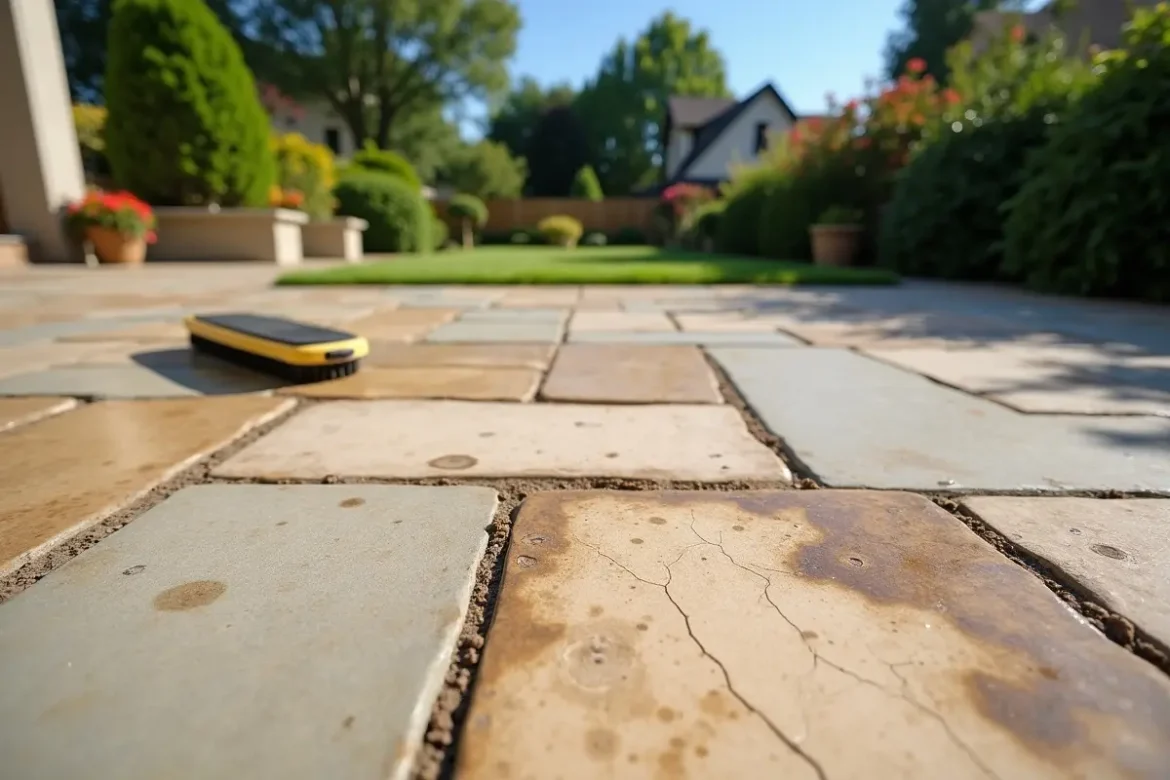
Stains, fading, and patchy color often indicate that your pavers are absorbing water or chemicals. Persistent stains can result from leaves, oil, rust, or algae, while fading may indicate the need to reapply sealant. A consistent, vibrant finish will be difficult to maintain without regular cleaning or sealing. Home maintenance experts note that this sign is as much about function as about form.
3. Loss of Joint Sand
Joints filled with polymeric sand provide crucial support, keeping pavers in place and resisting weed growth. If you begin to see sand gathering on top or notice deep gaps between pavers, joint sand has likely eroded due to rainfall or cleaning efforts. Worn or missing sand reduces stability, amplifying the risk of unevenness and further displacement.
4. Weed and Moss Growth
Fresh green shoots or moss clusters between pavers are a sign that water is being retained in the joint spaces, sometimes due to poor drainage or compacted joints. Not only do weeds create an unsightly appearance, but they can also push pavers apart as their roots grow. Removing weeds is only a temporary fix unless you also address the underlying issue of sand loss or drainage failure.
5. Pooling Water
Well-installed pavers should allow rainwater to seep through their joints and drain away. If you notice pooling or slow-draining areas after storms, it could be due to settling, improper slope, or compacted base layers. Persistent puddles increase wear, promote slippery algae, and threaten the underlying foundation. Early intervention is recommended to preserve the long-term function of your pavers.
Preventive Maintenance Tips
- Regular Cleaning: Keeping your pavers free of debris, leaves, and dirt is essential. Use a broom or leaf blower weekly and hose down the surface as needed. Pressure washing should be used sparingly and cautiously to avoid blowing away joint sand or damaging the surface. For tough stains or algae, a gentle cleaner recommended by leading home improvement sources is best.
- Sealing: A high-quality paver sealer helps prevent stains and reduces fading from UV exposure. Experts recommend reapplying sealant every 2 to 3 years, especially in climates with severe weather variations. Sealing also creates a protective barrier against water penetration, extending the lifespan of your hardscape.
- Joint Sand Maintenance: After cleaning or during regular inspection, reapply polymeric sand in any visible gaps. This helps retain the pavers’ structural integrity and reduces the risk of weed growth or insect nests between the stones. Effective sand maintenance ensures that your paved area remains both level and secure throughout the seasons.
Final Thoughts
Consistent inspection and routine care of your outdoor pavers ensures these surfaces remain safe, attractive, and durable. By monitoring for loose pavers, discoloration, sand erosion, and water pooling, you can address minor issues before they become costly repairs. Simple preventive measures such as cleaning, sealing, and refilling joint sand are invaluable for preserving the investment you have made in your property. Homeowners who adopt a proactive approach will enjoy a welcoming outdoor environment that stands the test of time, weather, and daily use.