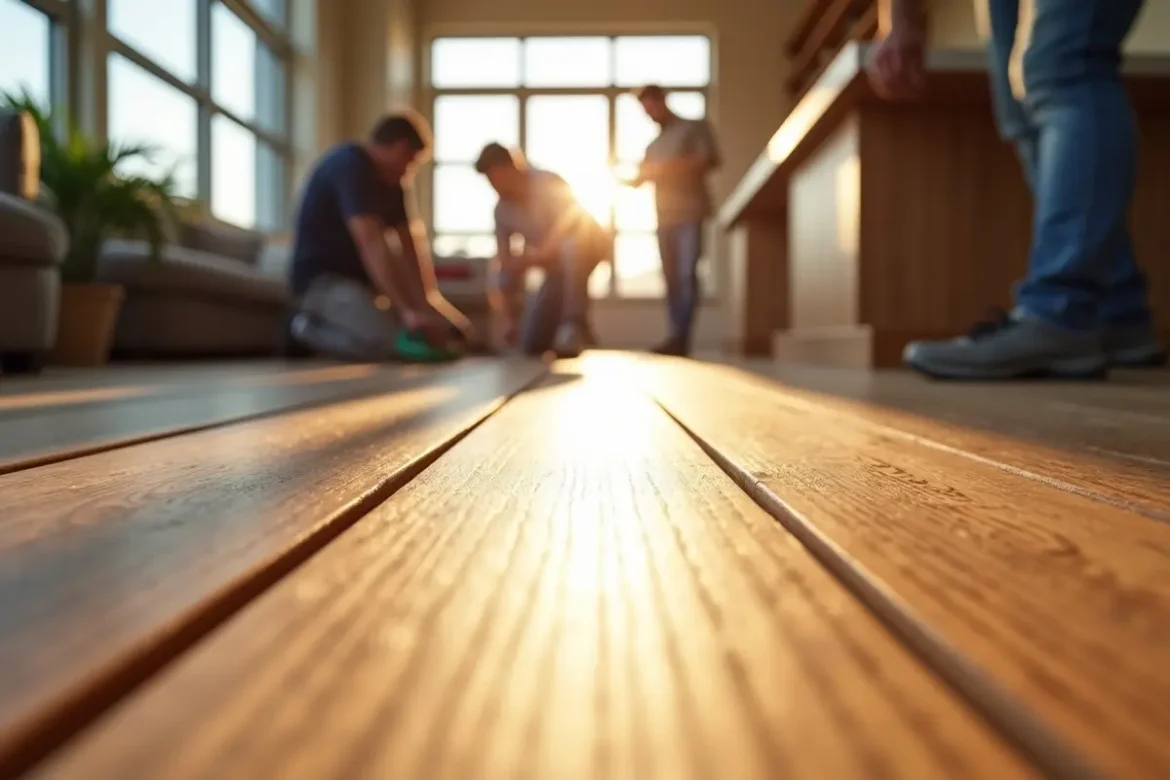
Hardwood flooring offers a timeless upgrade that not only enhances the atmosphere of your space but also boosts property value. While its appeal is undeniable, it is essential to recognize the variety of expenses involved in the installation process. Homeowners frequently overlook unexpected costs that can arise mid-project, underscoring the importance of thorough planning. For a comprehensive breakdown of the cost to install hardwood floors, it is wise to examine both visible and hidden costs before starting your renovation.
From the type of hardwood to the professional services required, each choice can influence the final price you pay, making it important to understand the overall cost to install hardwood floors before starting a project. This article guides you through the factors affecting the total investment, from material selection to potential returns, so you can budget wisely and make choices that align with your long-term goals.
When it comes to major home improvements like new flooring, arming yourself with transparent cost information ensures a smoother project and helps prevent financial surprises. Homeowners who take the time to research options, compare estimates, and plan for contingencies are far more likely to enjoy their beautiful new floors for many years to come.
Material Costs
The specific type of hardwood you select is one of the biggest factors affecting your total investment. Solid hardwood, made from full planks of natural wood, is known for its resilience and refined look. Prices usually range from $4 to $13 per square foot for materials alone, with premium species like maple or oak on the higher end. Engineered hardwood, featuring a real wood layer over a plywood base, offers similar aesthetics often at a lower cost, typically $3 to $11 per square foot.
If you are drawn to rare or exotic woods such as Brazilian cherry or teak, prepare for an even steeper price tag. These options, valued for their durability and unique appearance, often cost $8 to $14 per square foot for materials alone. This means that the wood itself can quickly become one of the most significant line items in your flooring budget.
Labor Expenses
The next substantial cost component is professional installation. Labor charges can vary widely by geographic region, installer expertise, and project complexity. On average, you can expect to spend between $3 and $6 per square foot for installation services. Wider planks may sometimes be less expensive to install as they cover more surface area, while intricate patterns or the use of especially dense woods could increase labor time and associated fees.
Homeowners planning to save by going the DIY route should be cautious, as improper installation can lead to costly repairs down the road, especially if the floor squeaks, buckles, or sustains moisture damage.
Additional Costs
Beyond basic materials and installation, several potential expenses must be considered for an accurate budget. Subfloor preparation is essential if there is existing damage, unevenness, or moisture issues. These repairs may add between $3 and $10 per square foot. If a moisture barrier or sound insulation is needed, underlayment materials will add $0.50 to $5.40 per square foot to the total.
Removing old flooring is another variable expense, commonly ranging from $1.50 to $3.50 per square foot for standard materials and $2 to $7 per square foot if you are removing tile. Additional costs such as furniture moving, stair installation, or custom transitions can also accrue rapidly during a renovation.
Budgeting Tips
Managing your hardwood flooring investment responsibly involves a few key strategies. First, always collect multiple estimates from licensed installers to ensure you are getting a fair price. Factor in the long-term advantages of durable, quality materials even if they cost more upfront; these often reduce lifetime maintenance and replacement expenses. Lastly, never forget to include line items for subfloor repairs or underlayment, missing these in your calculations can quickly throw your budget off track.
- Get several written quotes to compare costs and vendor reputations.
- Evaluate overall floor durability, manufacturer warranties, and finish quality alongside initial price.
- Prepare for incidental costs such as baseboard replacement or transitions between rooms.
Conclusion
Tackling a hardwood flooring project is a significant investment that requires detailed budgeting and planning. By understanding the cost variables, ranging from material selection to labor and necessary prep, you are empowered to make informed decisions that maximize both value and beauty. Researching flooring options, preparing for unplanned expenses, and investing in quality installation will help ensure your new floors offer lasting enjoyment and a sound return for years to come.