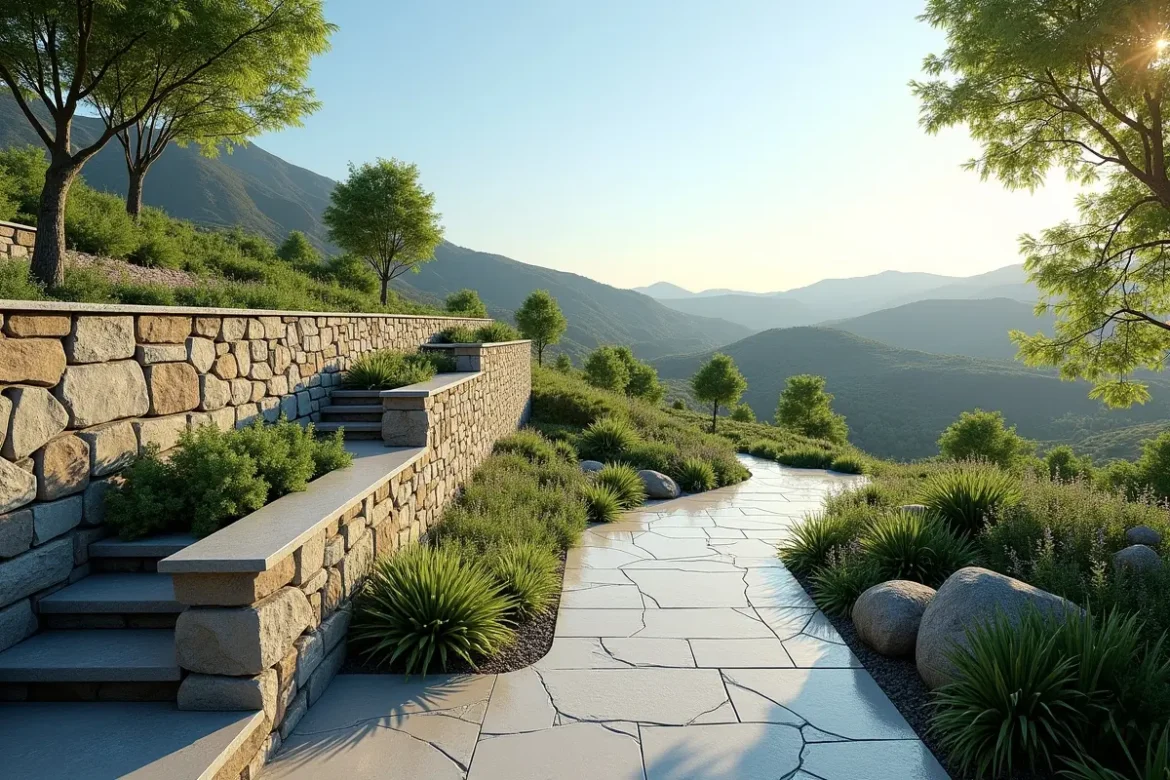
Modern landscapes often require robust support systems that can combat soil erosion, manage sloped gardens, and optimize outdoor living spaces. Retaining walls play a crucial role in achieving these goals while also enhancing the environment with thoughtful design. By embracing sustainable techniques and materials, such as those used in concrete retaining wall California projects, homeowners and professionals can create long-lasting structures that are equally beneficial for the planet and property aesthetics.
Adopting eco-friendly approaches for retaining walls not only helps reduce environmental impact but also contributes to the unique charm of outdoor areas. From recycled materials to natural stone and living walls, today’s sustainable options are both functional and striking. By working with local materials and environmentally conscious contractors, you can ensure your retaining wall project supports global sustainability goals and harmonizes with your surroundings.
Beyond materials, innovative engineering and design are making a significant difference. Many sustainable retaining walls now feature permeable surfaces and built-in vegetation, enhancing stormwater management and natural beauty. These modern solutions demonstrate that functionality and environmental consciousness can go hand in hand, creating spaces that support both people and local ecosystems.
In fact, sustainable retaining walls can be a smart investment for property owners. Not only do they deliver structural reliability, but these choices also tend to boost property value and curb future maintenance costs. Approaching retaining wall construction with sustainability in mind is an essential step for those interested in long-term savings and a positive environmental footprint.
Contents
Eco-Friendly Materials for Retaining Walls
Material selection forms the backbone of sustainable retaining wall construction. Modern options focus on minimizing environmental impact and maximizing durability. Among the most popular choices are recycled concrete blocks, which make practical use of discarded materials. According to research from the U.S. Environmental Protection Agency (EPA), using recycled concrete can cut carbon emissions by about half compared to new concrete.
Reclaimed wood is another eco-friendly solution, often sourced from dismantled buildings or industrial sites. Not only does this material help minimize deforestation, but it also adds character with its aged appearance. Local natural stone is favored for its minimal processing and ability to blend with existing landscapes. For those seeking advanced sustainability, rammed earth walls use compacted soil and small amounts of stabilizer, creating highly efficient walls with excellent insulation properties.
Innovative Sustainable Designs
Today’s sustainable retaining walls are not just about the materials, they are also about how those materials are used. Permeable walls, such as those made from gabion cages filled with recycled rocks, allow water to pass through, significantly reducing runoff and erosion. These structures are becoming a standard for environmentally focused landscape architects.
Living walls, or green walls, have gained popularity among forward-thinking landscapers. By incorporating live plants within the wall structure itself, these installations improve air quality and offer habitats for insects and birds. They can also reduce the wall surface temperature and mitigate heat in urban gardens, as reported by National Geographic.
Recycled composites and plastics are another category of sustainable materials that offer resistance to weathering, pests, and moisture. These materials are increasingly sought for their longevity and minimal maintenance requirements, making them a top pick for sustainable projects.
Benefits of Sustainable Retaining Walls
Sustainable retaining walls deliver more than just structural support, they provide measurable gains for the environment, property owners, and communities. Choosing materials and designs with a lower carbon footprint helps preserve natural ecosystems and resources. Structural longevity is another advantage, as many green materials perform better over time, requiring less frequent repair or replacement.
Cost considerations also favor sustainability. Although upfront expenses might be slightly higher, the lifecycle cost is generally lower due to reduced repair needs and increased energy efficiency from natural cooling or thermal mass. Retaining walls made with attractive, eco-conscious materials also tend to enhance curb appeal and, in turn, boost property values.
Implementing Sustainable Practices
Transforming your property with sustainable retaining walls starts with a thorough site assessment. By understanding local soil conditions, drainage, and sunlight exposure, you can make informed decisions about the best materials and configurations. Opting for locally sourced or recycled materials will naturally reduce the environmental burden associated with transportation and production.
Incorporating green design features, such as integrated planters for native vegetation or permeable surfaces that manage stormwater runoff, bolsters the sustainability profile of your wall. Partnering with professionals with a proven track record in eco-friendly construction ensures not only an attractive design but also a structurally sound, enduring solution.
Conclusion
As landscapes evolve to reflect growing environmental awareness, sustainable retaining walls are emerging as practical and eco-conscious solutions that blend form, function, and responsible design. Using recycled, reclaimed, or locally sourced materials helps reduce waste, conserve natural resources, and lower the environmental footprint of construction projects.
Thoughtful design can also improve drainage, support soil health, and integrate native plants that enhance biodiversity. For homeowners and developers alike, these walls provide reliable protection against erosion, shifting soil, and water damage while contributing to long-term landscape stability. Beyond their structural benefits, sustainable retaining walls add aesthetic appeal, durability, and lasting value to contemporary outdoor spaces.