Stained concrete stands out as a modern, visually compelling material for both interior and exterior design projects. Offering flexibility in color, pattern, and texture, stained concrete allows homeowners and designers to create refreshing environments that showcase individual style and creativity. Whether revitalizing a living room floor or designing a bold new patio, stained concrete merges lasting performance with aesthetic value. For expert guidance on your next project, visit SAT Stained Concrete for inspiration and professional insight.
Because of its adaptability, stained concrete is gaining popularity in various settings. It is a dynamic option for anyone seeking a cost-effective, low-maintenance, and attractive upgrade to their property. From seamless indoor transitions to stunning outdoor features, the application possibilities are vast, making it easy to tailor the look to any preference or space.
Contents
- 1 Transforming Interior Floors with Stained Concrete
- 2 Enhancing Outdoor Patios and Walkways
- 3 Incorporating Geometric Patterns and Textures
- 4 Creating Unique Concrete Furniture Pieces
- 5 Designing Eye-Catching Entryways
- 6 Refreshing Pool Decks with Stained Concrete
- 7 Implementing Stained Concrete in Garden Features
- 8 Conclusion
Transforming Interior Floors with Stained Concrete
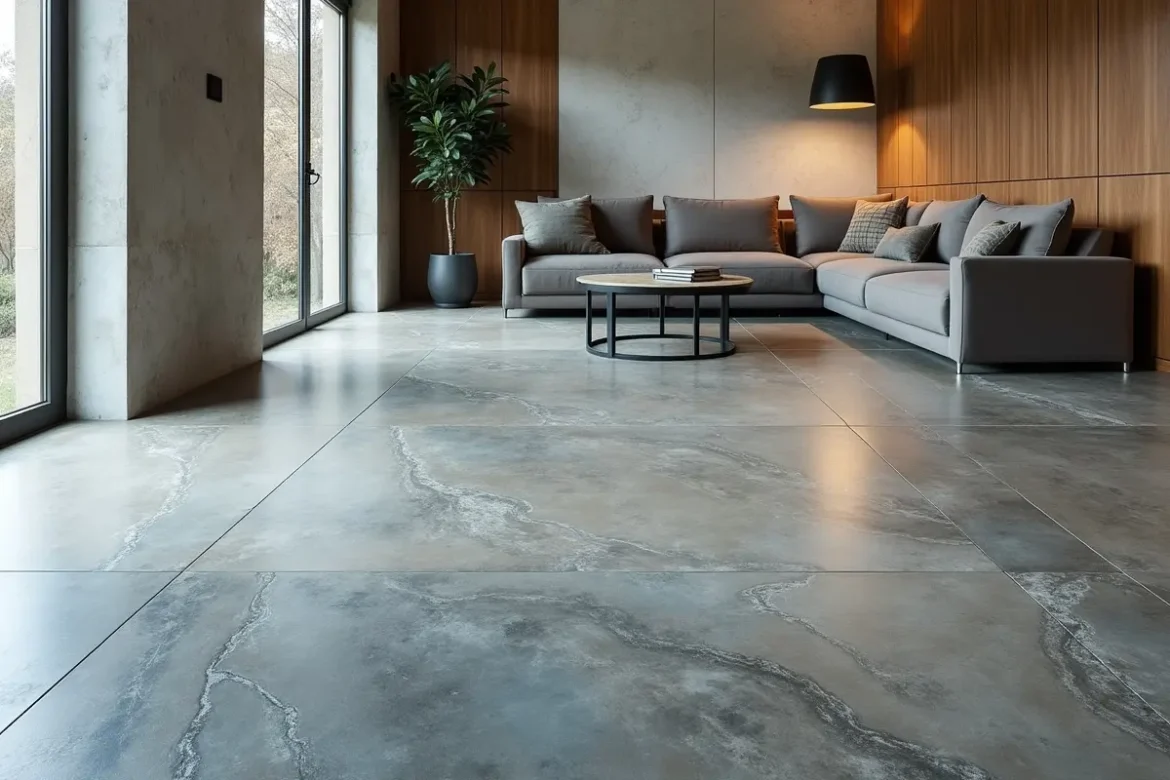
Enhancing the visual impact of interior floors is a central application for stained concrete. Acid-based stains chemically react with the concrete’s mineral content to produce deep, translucent hues and marbled effects, ideal for creating contemporary, rustic, or industrial looks. Water-based stains introduce a broader range of vibrant colors, delivering design options that harmonize with diverse decor themes. This flexibility allows stained concrete to blend seamlessly with style elements ranging from minimalist to eclectic.
Additionally, decorative saw cuts can be added to divide larger spaces into smaller sections, creating a tiled effect or even a faux rug design. Layering multiple stain colors can enhance depth and visual richness, further elevating the floor’s role as a focal point. As a bonus, sealed stained concrete resists allergens and moisture, making it a hypoallergenic and practical choice for high-traffic areas and families with allergies.
Enhancing Outdoor Patios and Walkways
Stained concrete can completely rejuvenate patios and walkways, offering a practical and attractive surface that mimics the look of more expensive materials like stone or slate. Techniques such as stamped concrete allow for sophisticated patterning, revitalizing outdoor gathering areas while remaining cost-effective. The result is a durable, all-weather surface that retains its beauty over time and requires minimal upkeep.
Outdoor spaces also benefit from the integration of custom borders, compass roses, or family crests, transforming standard patios into personalized retreats. Creative use of color transitions or gradients can highlight pathways and gathering zones, subtly guiding movement while elevating overall outdoor appeal. Maintenance is limited to periodic resealing and standard cleaning, ensuring lasting beauty through seasons of use.
Incorporating Geometric Patterns and Textures
When it comes to personalizing stained concrete, geometric patterns and textural enhancements can yield dramatic results. Scoring the concrete before staining introduces crisp lines, borders, or intricate motifs. Concrete can also be textured with stencils or stamping, imparting the appearance of tile, wood, or masonry.
The interplay between color and geometry gives each installation a unique identity, whether in high-traffic public spaces or private homes. Color layering within geometric panels further animates the surface, while texturing adds functional slip resistance, ideal for foyers and bathrooms. For commercial settings, custom company logos or thematic designs can be embedded directly into the concrete, effortlessly combining branding with durable design.
Creating Unique Concrete Furniture Pieces
Creative applications of stained concrete are not limited to floors and hardscape. Custom-made furniture, such as tables, benches, and countertops, stained in complementary colors, extends this trend throughout the home or garden. These pieces combine durability with contemporary design, often becoming focal points in both indoor and outdoor spaces. Stained concrete furniture also holds up well to changing weather conditions, making it ideal for kitchens, patios, or poolside entertaining areas.
Designers enjoy using subtle color washes or stained inlay details to highlight architectural features and legs of tables and benches, mimicking the beauty of natural stone or precious metals. The ability to mold concrete into virtually any shape enables the creation of both functional and sculptural pieces that harmoniously blend art and practicality.
Designing Eye-Catching Entryways
An entryway serves as the introduction to a home, setting the tone for all who enter. Stained concrete in this area can make a bold statement, particularly when unique medallions, borders, or custom motifs are included. The ability to integrate personalized elements means homeowners can reflect their tastes, boost curb appeal, and create a lasting impression.
Integrated lighting along stained concrete paths or thresholds enhances safety and adds visual drama to the entrance, welcoming guests even after dark. Not only is stained concrete a more sustainable choice for entryways, but it also provides a seamless transition between indoor and outdoor areas, strengthening the overall design coherence of the property.
Refreshing Pool Decks with Stained Concrete
Pool decks are another area where stained concrete excels. Visual appeal, safety, and comfort converge in this application. Finishes like exposed aggregate or broom finishes introduce non-slip textures, enhancing guest safety, while cool-touch concrete mixtures keep surfaces walkable even in direct sunlight. For larger projects, resorts and recreational facilities benefit from stained concrete’s commercial-grade durability and customizable style. Important insights into pool surfaces can be found on HGTV.
By incorporating color accents or blending stains, pool decks can complement landscaping and water features, unifying the entire space. Stained concrete resists fading from sun and pool chemicals, preserving its striking effect and reducing ongoing maintenance costs. With endless color options, homeowners can achieve everything from bold, tropical-inspired palettes to soft, natural tones that blend seamlessly into backyard landscapes.
Implementing Stained Concrete in Garden Features
Garden enhancements such as stepping stones, decorative planters, and sculptural elements gain longevity and charisma when made from stained concrete. These features can be customized in form, color, and finish to harmonize with plants, pathways, and other landscape architecture. By incorporating these touches, outdoor environments become cohesive and visually dynamic, tailoring each landscape to its owner’s tastes.
Water features, birdbaths, and custom seating nooks crafted from stained concrete add both functionality and a touch of luxury to garden retreats. These decorative items coordinate effortlessly with hardscaping and planting beds, helping articulate defined themes, color cues, and natural transitions throughout the landscape.
Conclusion
Stained concrete offers limitless creative options for elevating the interior and exterior of any property. Its adaptability, enduring surface, and aesthetic potential make it the perfect solution for homeowners and designers seeking original, low-maintenance improvements. By utilizing the many staining techniques and design options discussed above, it is possible to create personalized, visually impressive spaces that remain beautiful and functional for years to come.