
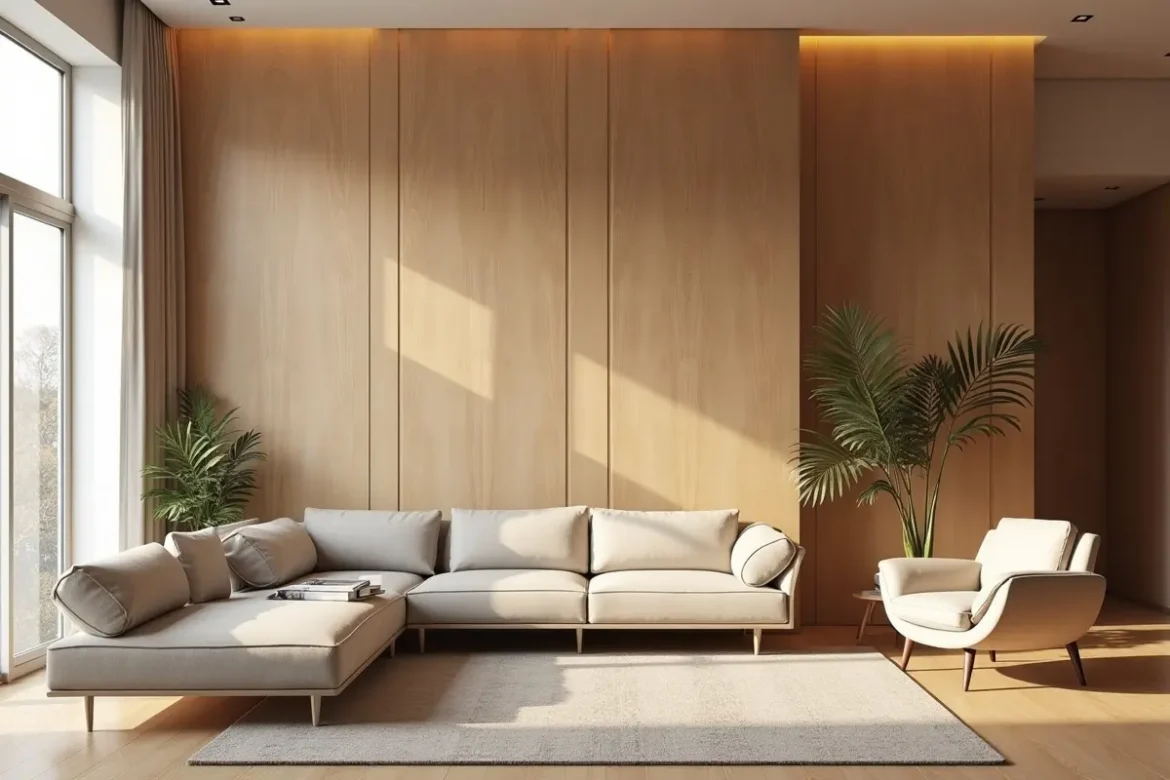
Living in a city often means trading square footage for location, convenience, and energy — but that doesn’t mean you have to sacrifice comfort or style. Small apartments can feel surprisingly spacious when designed with intention.
With the right approach, even a studio or micro-loft can become a calming, functional home that reflects your personality and daily needs. Whether you’re trying to maximize a tight living room, carve out extra storage, or make a tiny bedroom feel luxurious, the secret lies in using every inch wisely and creatively.
This is also where personalization can make a big difference. Thoughtful décor, multi-purpose furniture, and clever visual tricks can transform limited layouts into beautiful, highly efficient spaces. Even small details — like custom wall art or a bold pop of color — can shift a room’s entire atmosphere. Many renters turn to online screen printing as a convenient way to create custom designs that fit their space without overwhelming it. The key is striking that balance between form and function.
Contents
- 1 1. Start With a Purpose for Every Space
- 2 2. Use Vertical Space Like It’s Real Estate Gold
- 3 3. Choose Multifunctional Furniture (Your New Best Friend)
- 4 4. Mirrors, Light, and Color: The Triple Illusion of Space
- 5 5. Declutter With a System (Not Just a Saturday Donation Pile)
- 6 6. Add Personality Without Overwhelming the Space
- 7 7. Let Natural Light Do the Heavy Lifting
- 8 Conclusion
1. Start With a Purpose for Every Space
In a small apartment, it helps to define zones clearly, even if everything is technically within one room. That might mean creating a reading corner with a single armchair and a lamp, marking off an office nook with a compact desk, or designating a dining spot with a simple bistro table.
Instead of asking, “Where can I fit this?” shift your mindset to: “What function do I need this area to serve?” This perspective helps eliminate clutter and guides you toward intentional design decisions. It also ensures that every object has a job — which is essential when space is precious.
2. Use Vertical Space Like It’s Real Estate Gold
Walls are your best asset in small apartments. Consider floating shelves, mounted cabinets, tall bookcases, hanging planters, pegboards, or even vertical magnetic strips for kitchen tools.
A helpful mindset is to think upward. The more you can lift items off the floor, the airier the room feels. For example:
- Use tall storage units instead of wide ones.
- Install wall-mounted nightstands to free up bedroom space.
- Hang curtains closer to the ceiling to stretch the perception of height.
The goal isn’t to overcrowd your walls, but to make them work for you.
3. Choose Multifunctional Furniture (Your New Best Friend)
If you live in a smaller home, multifunctional furniture isn’t just smart — it’s transformative. Pieces like sofa beds, nesting tables, ottomans with storage, expandable dining tables, or desks that fold into the wall can change your lifestyle dramatically.
Real-life example: A small apartment dweller in Brooklyn swapped their bulky coffee table for a lift-top version. The result? A place to eat, work, and store blankets — all in one piece. Little upgrades like this free up space without sacrificing comfort.
4. Mirrors, Light, and Color: The Triple Illusion of Space
Strategic lighting and color decisions can visually expand a room.
Mirrors
Mirrors bounce light around and create the illusion of depth. A large mirror opposite a window works wonders, making a small living room feel twice as open.
Lighting
Avoid relying solely on harsh overhead fixtures. Instead, mix in:
- Floor lamps
- Soft table lamps
- LED strip lighting under shelves
Layered lighting makes spaces feel warm, intentional, and far more spacious.
Color Choices
Light, neutral tones tend to brighten a room, but don’t be afraid of contrast. A dark accent wall can add depth and visual separation — a trick many designers use in small spaces to make them feel more dimensional.
5. Declutter With a System (Not Just a Saturday Donation Pile)
Small spaces amplify clutter. To stay ahead of it, implement simple, sustainable systems:
- Keep a donation box tucked in a closet at all times.
- Adopt the “one in, one out” rule for décor and clothing.
- Give everything in your home a designated spot.
The goal isn’t minimalism — it’s intentional living. You want a space that feels curated, not crowded.
6. Add Personality Without Overwhelming the Space
Small doesn’t mean boring. Personal touches make your apartment feel like home. But in tight quarters, the trick is to choose meaningful pieces rather than many pieces.
A few ideas:
- Rotate artwork seasonally to keep things fresh without adding clutter.
- Display collections in one concentrated area instead of scattering them.
- Use textiles — throw blankets, pillows, rugs — to add color and character without taking up physical space.
Personality is essential, but balance keeps the space feeling serene and functional.
7. Let Natural Light Do the Heavy Lifting
If you’re lucky enough to have good natural light, maximize it. Avoid heavy drapes and opt for sheer curtains or blinds that can be easily drawn. Keep windowsills clear so light can pour in unobstructed. Natural light not only opens up a room visually but also boosts mood and energy — a major win for city living.
Conclusion
Designing a small city apartment is all about strategy, creativity, and intention. When you focus on purpose, efficiency, and personal touches, even the smallest home can feel open, stylish, and uniquely yours. With the right balance of smart storage, multifunctional pieces, and warm design elements, you can transform compact living into a beautifully curated space that supports your lifestyle — not limits it.
If you’d like to refine this article, adjust tone, or create visuals to go with it, just let me know!


