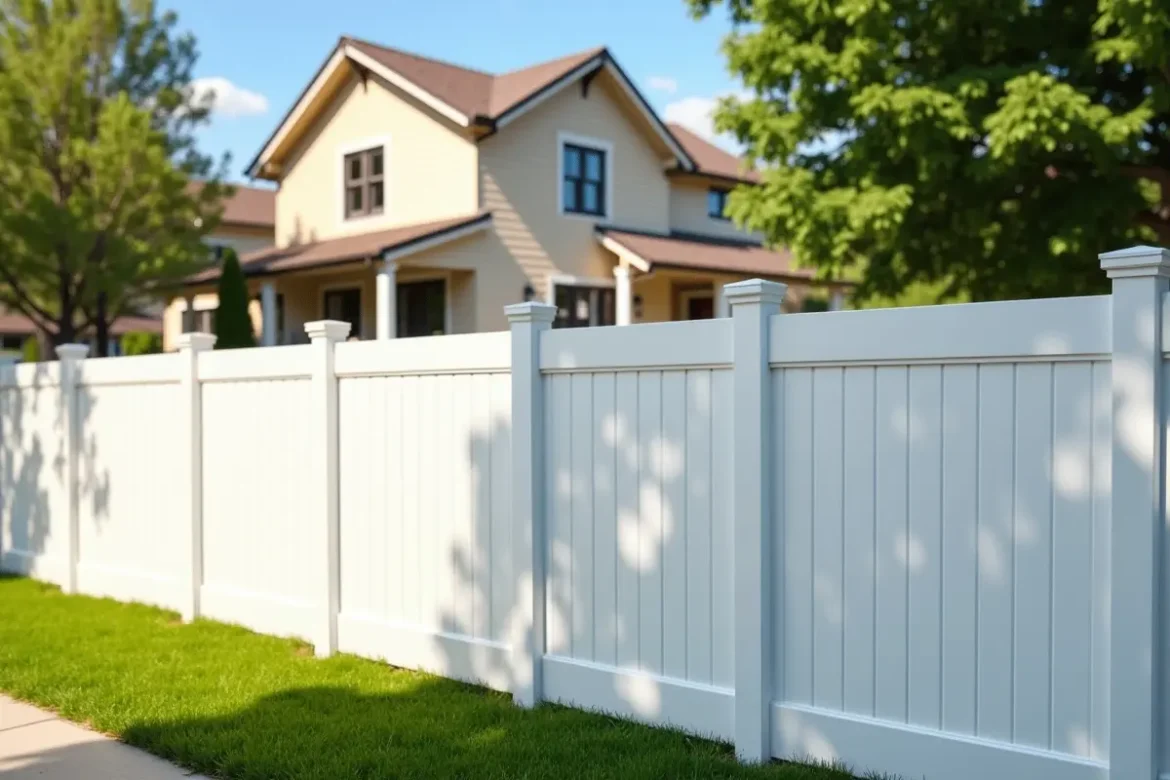
Choosing the right fence for your home begins with defining its main function. Do you primarily want to boost privacy, establish property boundaries, contain pets, enhance security, or simply elevate curb appeal? Each goal calls for a different approach and, often, a different type of fence. For example, privacy seekers often turn to solid options, while those needing basic boundaries might opt for see-through designs. If you live in Texas, EverFence of Dallas & Ft Worth offers a wide selection tailored to specific needs and preferences.
Matching the right fence to your primary goal will not only save you money but also ensure lasting satisfaction from your investment. Solid wood and vinyl privacy fences block out neighbors, while open or shorter fences work well for decorative purposes or pet containment. Security concerns may make sturdy metal or tall fences the smarter choice.
Sometimes, homeowners look for fencing that satisfies more than one need. For instance, you may want to keep pets safe while preserving your home’s visibility and style. Assess all your goals before making other decisions, as they will guide every step of the process.
Once you establish your main reason for installing a fence, you can focus on material choices, durability, cost, and how each option meets your requirements both now and in the future.
Contents
Evaluate Material Options
The material you choose will determine the fence’s longevity, appearance, and ongoing care needs. Here are the most common options:
- Wood: Wood fencing is prized for its classic look and customization options. Cedar and redwood are favorites for their resistance to insects, but all wood fences need regular sealing, painting, or staining to prevent weather and pest damage.
- Vinyl: Vinyl fences are durable and require less upkeep than wood. They come in various colors and mimic the look of painted wood, but may be pricier upfront.
- Metal (Aluminum or Wrought Iron): Metal fences, including wrought iron, provide strength, security, and an elegant appearance. Aluminum resists rust, making it suitable for wet climates. Wrought iron requires periodic treatment to stay rust-free.
- Chain Link: Known for affordability and straightforward installation, chain link fences offer little privacy but work efficiently for pet or child containment.
Compare options carefully to find the one that best matches your functional goals, neighborhood standards, and maintenance preferences.
Consider Climate and Environmental Factors
Your local climate and environment can affect the longevity and performance of your fence. In rainy or humid regions, some woods can warp or rot more quickly unless treated. Vinyl and metal tend to withstand harsh weather better, making them smart choices in areas prone to moisture or extreme temperatures. For homes in high-wind zones, sturdy materials such as steel or reinforced panels are preferable to withstand storms and strong gusts.
Climate considerations extend to sun exposure as well. Some vibrant finishes can fade under intense sunlight, while metals may heat up and become uncomfortable to touch. Make sure to pick a material that suits your region’s unique weather patterns.
Assess Maintenance Requirements
Different fencing materials require varying levels of care. Wood needs consistent attention, including sealing, painting, or staining every few years to deter decay and insects. Vinyl, on the other hand, is virtually maintenance-free and can be kept clean with occasional rinsing. Metal fences need occasional treatments to prevent rust, especially if you choose wrought iron or steel. Aluminum requires very little care because it does not corrode as easily.
Think about how much time and effort you are willing to dedicate to maintenance. If you want a “set it and forget it” solution, vinyl or aluminum is an excellent choice, especially for busy homeowners. On the other hand, those who do not mind infrequent weekend projects may find the classic charm of wood worth the effort.
Align with Home Aesthetics
A fence should not only serve a functional purpose but also complement your home’s architectural style and landscaping. While modern residences tend to favor minimalist metal or horizontal slat fences, traditional homes are often paired with white picket or classic wooden designs. The right fence adds harmony and curb appeal, increasing your property’s value and enhancing its first impression.
Consider landscaping as well. Will flowering vines climb up the fence, or do you want a design that highlights decorative shrubs? Matching your fence to your home’s exterior finish and garden style can help create a seamless look throughout the property.
Understand Local Regulations
Before installing a fence, check your neighborhood’s zoning laws, building codes, and homeowners’ association (HOA) guidelines. Most communities have rules about acceptable heights, locations, and materials. Neglecting to verify these can lead to costly fixes and potential disputes with neighbors. Obtain necessary permits first and consult your HOA or city planning office for approval if required. This due diligence will help you avoid legal complications and ensure a smooth installation process.
Set a Budget
Budget is always a consideration when upgrading your property. Factor in the upfront costs for materials and installation, as well as ongoing maintenance and repair expenses. While wood fences may cost less initially, their maintenance over time can add up. Vinyl and aluminum have higher installation costs, but they usually require less maintenance. Be realistic about your needs and expectations for your investment to avoid surprises down the road.
Plan for Installation
Deciding whether to hire professional installers or take the DIY approach is the final step. Professionals offer guaranteed workmanship, knowledge of local building codes, and efficient installation. If you have carpentry skills and the right tools, a DIY project may save you money, but it can also be more demanding than anticipated. Factor in your timeline, tool availability, and expertise before starting the project yourself.
Final Thoughts
By thoughtfully considering your primary needs, material options, climate, maintenance, aesthetics, regulations, budget, and installation preferences, you can select a fence that meets your practical and design requirements. The right fence boosts privacy, security, and curb appeal, making your home both safer and more inviting for years to come.