Water damage isn’t only expensive to repair, but it can also affect a property during every sale, appraisal, and insurance request for many years to come. Knowing how that cycle operates is key to defending your equity or losing it without realizing it.
How water weakens the structure buyers are actually buying
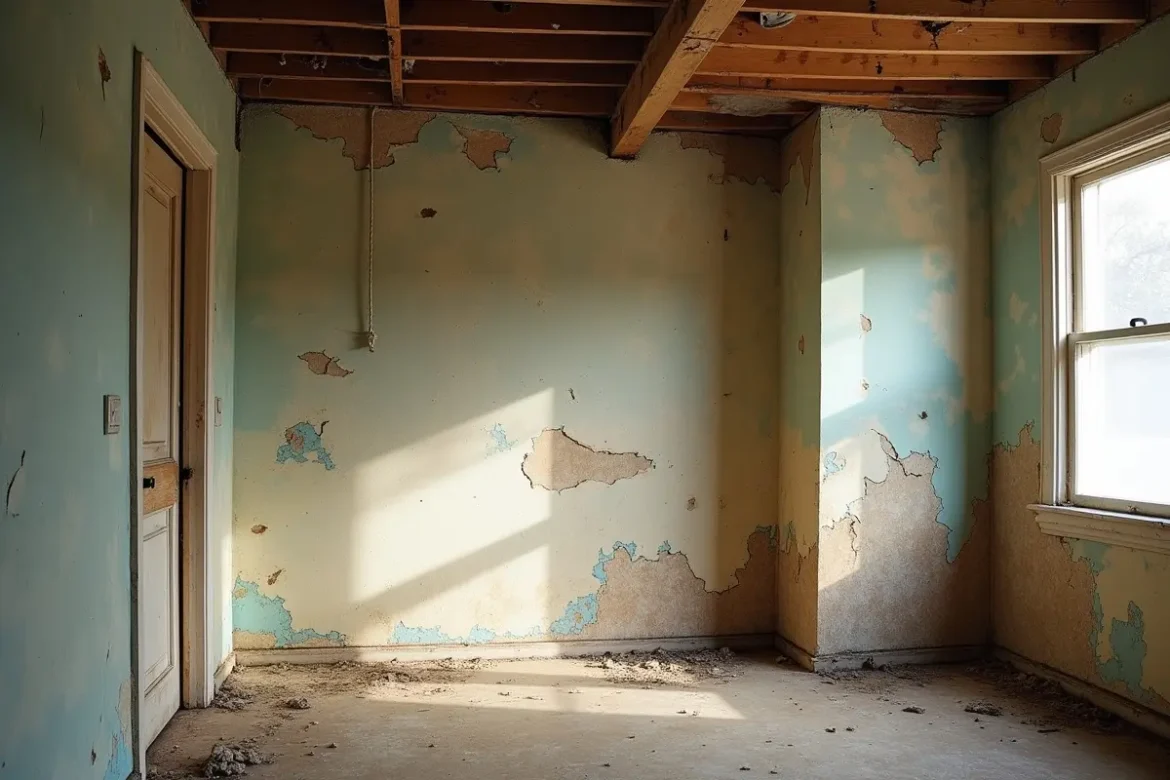
If there is water damage in the house, it goes beyond what is immediately visible or what you can repair yourself. If wood has been exposed to excessive moisture, such as insulating a wet timber within a wall, it can lead to rot and compromise the home’s structural integrity.
Concrete foundations also suffer from water damage. The worst part is damage or deterioration caused by seeping water over time may never be covered by insurance. In insurance terms, an insurable event is sudden and accidental. The long-term leaking roof or the water backing up in a foundation aren’t sudden.
Finally, if you think you need to hide or mask the problem with paint or new carpet – think again, for the next owner of your home will discover the deception and any home inspector worth their pay will mark you down for it. Fix it now or evacuate the premises.
What sellers are legally required to disclose
Seller’s disclosure requirements are present in most jurisdictions, and they’re mandatory. Homeowners are typically obliged to disclose any known water intrusion issues – whether in the past or currently. The financial risk of not doing so is substantial. Buyers who uncover undisclosed water damage post-closing have won lawsuits, and courts have little patience for sellers who knew of a problem and didn’t speak up.
Even when sellers do everything by the book, if previous water damage has been insufficiently repaired the result will be a lower price. Buyers will deduct for the uncertainty, and their agents will guide them to do so. Properties with disclosed but inadequately repaired water issues typically fetch 10% to 20% less than the comparables, and the percentage varies on a case by case basis of course, as well on the verifiable info angle.
This is a discussion best supported by documents, not excuses.
The CLUE report problem buyers and their agents already know about
Smart consumers are not dependent on only the information provided by the seller. The Comprehensive Loss Underwriting Exchange (CLUE) report is an insurance industry database that tracks prior homeowners insurance claims. Any past water damage claim filed on the property is included, whether it was filed by the current seller or a previous owner.
Buyers’ agents commonly request CLUE reports as part of their due diligence. And, insurance underwriters pull them automatically. So, a burst pipe from three owners ago can still bubble up and impact both the buyer’s ability to secure coverage and their view of the property’s insurability.
There is no way to “scrub” a claim from that database. The only play is to prove – with paperwork – that the damage was professionally mitigated and settled in full.
Mold: the damage that keeps escalating
A small leak behind drywall doesn’t appear to be an emergency, and in terms of pouring water or forcing debris in through a burst entrance, it isn’t. However, because it goes unnoticed for weeks or months, the relative humidity within wall cavities has the opportunity to remain elevated. When that happens, mold starts to grow, and the more dangerous spores gladly take up residence. Black mold – Stachybotrys chartarum – is the outcome buyers fear most, and frequently with good reason. It produces toxic compounds known as mycotoxins, and having those in your living environment poses real health risks. Real estate agents will, and should, stop a sale cold until a certified mold remediator has completed every step of the procedure.
Less aggressive molds are just as ruinous of your home’s value. The soft, discolored wallboard synonymous with active moisture is an obvious flag that buyers and inspectors instantly notice. Humidity levels rise ever higher when this kind of seepage is not promptly addressed. This is exacerbated by regions where persistent humidity is regularly high and persistent storm activity or seasonal flooding guarantee reduced dry out time.
Each homeowner in Florida that overlooks the fact that professional drying needs to happen in the first 24 to 48 hours after a water event is taking a serious gamble. This is because, especially if you have spotted drywall deterioration, the mold is already there. It’s for conditions exactly like these that you should be researching Water Damage restoration, Tampa, FL and at least obtaining a certified estimate.
The only protection that actually holds up: documentation
Professional restoration serves two main purposes. Firstly, it repairs the actual damage caused. Secondly, it provides documentation to prove that repairs were done by professionals.
A certified dry-out log indicates the moisture levels that were measured and recorded regularly, providing evidence that the building was dried out correctly. Repair receipts from restoration professionals show that trained experts completed the work. Certificates for mold remediation indicate that clearance tests were performed and passed.
Based on FEMA estimates, $25,000 or more in physical damage can result from one inch of water entering a property. That figure only refers to the cost of making physical repairs. It doesn’t consider the cost of an appraisal reduction, the possible strengthening of a buyer’s bargaining position, or the expenditures associated with a failed sale that must be relisted.
The appraisal of a dwelling that reveals active or inadequately addressed water damage isn’t simply slashed by the expense of necessary repairs. It also serves as a warning to the appraiser and, more importantly, to the lender that the property is high risk. The lender then adjusts its granting of financing accordingly.
What this means when you’re preparing to sell
Consider professional mitigation documentation similar to a roof certification or an HVAC service record. It serves as proof that the property has been taken care of. Buyers incorporate risk into their offers, and restoration documentation eliminates a substantial risk from their consideration.
The properties that suffer the most depreciation in resale value are not necessarily those that sustained the most severe initial damage. They are the properties where the damage was most quietly or incompletely handled, or the properties where no documentation exists to prove that a qualified professional took part in the restoration effort.