Transforming your outdoor space in Virginia can be both rewarding and eco-friendly if you choose the right plants species. Whether you are starting from scratch or updating an existing garden, focusing on resilience and sustainability will ensure your landscape flourishes for years to come.
By relying on native and drought-tolerant options, your environment will not only be easier to maintain but will also conserve precious water resources. If you are looking for guidance on every step of the process, including expert lawn care and landscaping services, there are specialists ready to help create the garden of your dreams.
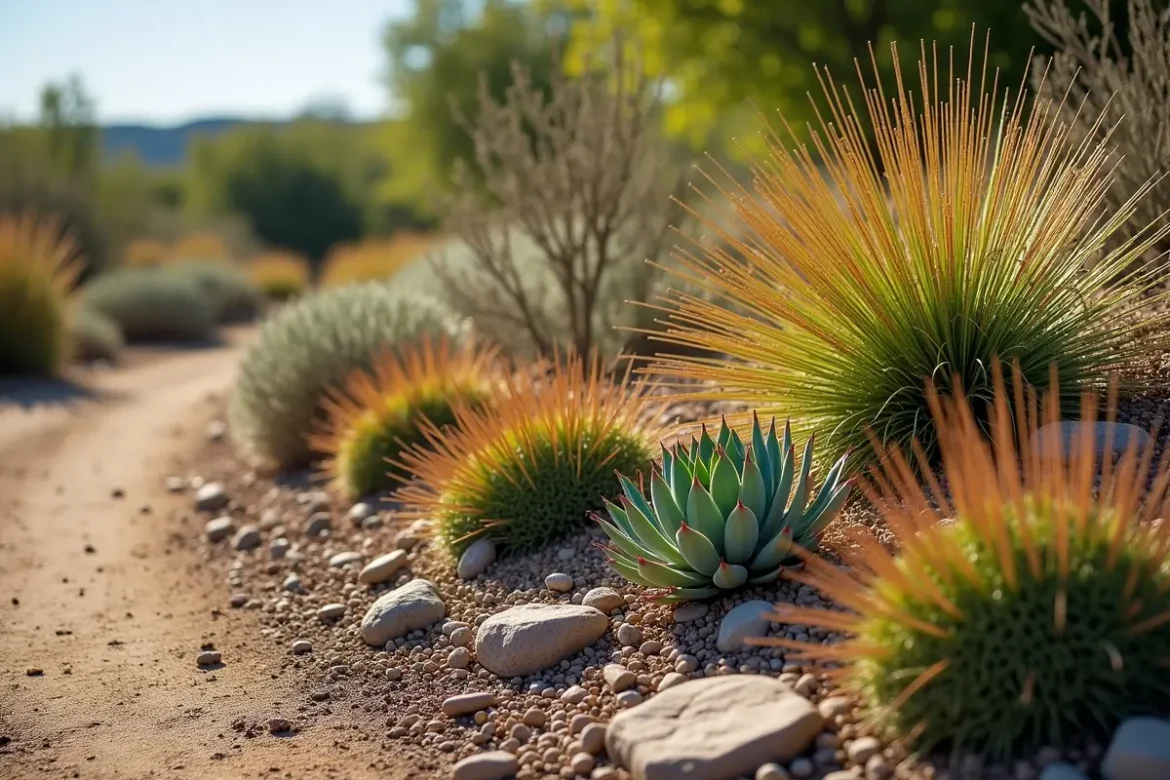
Virginia’s arid climate requires a thoughtful approach to landscaping. Fortunately, the region is home to many colorful and versatile plants that withstand scorching summers and prosper on limited water. A balanced combination of trees, shrubs, and groundcovers offers year-round interest, supports wildlife, and reduces maintenance time. The best results come from blending function with beauty. Shaded spaces can cool your home, while groundcovers help protect the soil and highlight unique desert textures.
With the right foundation, you can have a breathtaking landscape that complements your home, saves water, and supports a healthy ecosystem. Before planting, evaluate your yard conditions. Consider sunlight exposure, soil quality, and local microclimates to ensure your selections will thrive. Installing a water-efficient irrigation system will further reduce maintenance while providing your plants with targeted hydration.
Contents
Choosing the Right Trees
Integrating shade-providing trees is a crucial element in any Virginia landscape. Robust choices like Palo Verde, Mesquite, and Desert Willow not only endure the extreme heat but also bring bursts of seasonal color and habitat value. These options deliver dense shade, reduce surface temperatures, and encourage biodiversity by attracting birds and pollinators. For a deeper understanding of why trees are vital in urban settings, review this EPA resource on trees and heat mitigation.
- Palo Verde (Parkinsonia spp.): Signature green bark and yellow flowers in spring, excellent for full sun and low water use.
- Mesquite (Prosopis spp.): Offers a wide, shady canopy and deep roots; highly adaptable to desert conditions.
- Desert Willow (Chilopsis linearis): Smaller size, orchid-like blossoms, attracts hummingbirds, drought-resistant.
Durable Shrubs and Perennials
For structure and season-long beauty, look to resilient shrubs and flowering perennials. These species provide foliage, blooms, and support for pollinators while needing very little attention. Texas Sage, Red Yucca, and Desert Marigold each have unique attributes that guarantee visual interest throughout the year.
- Texas Sage (Leucophyllum frutescens): Dense foliage, purple flowers after rain, stands up to high temperatures and poor soils.
- Red Yucca (Hesperaloe parviflora): Not a true yucca; dramatic arching leaves and red flower spikes loved by hummingbirds.
- Desert Marigold (Baileya multiradiata): Silvery foliage topped with bright yellow blooms, thrives with minimal water.
Expanding Your Plant Palette
If you wish to diversify your garden further, consider adding additional native favorites or drought-adapted exotics. Species such as agaves, cacti, and ocotillo can create dramatic focal points while simultaneously demanding extremely low water input. For example, the majestic Saguaro cactus (Carnegiea gigantea) can be a signature statement, while smaller varieties such as barrel cactus and prickly pear add texture and dimension.
Colorful options include the Sun Blanket Flower (Gaillardia aristata), which thrives in full sun and poor soils, and Penstemon parryi, known for its slender stalks covered in tubular pink blooms that attract bees and hummingbirds alike. These selections thrive in the heat while also ensuring your space remains visually dynamic throughout the seasons, supporting local wildlife and maintaining a cohesive desert theme.
Effective Groundcovers
Groundcovers do more than add color; they reduce soil erosion, suppress weeds, and keep the landscape connected. Modern options for Virginia gardens include Trailing Lantana and Gray Ice Plant. Both offer vibrant seasonal color, remain low-growing, and are highly tolerant of reflecting heat and drought stress. You might also try Damianita (Chrysactinia mexicana), recognized by its compact habit and bright yellow flowers most of the year, or Woolly Thyme for a fragrant, green mat that tolerates some foot traffic.
- Trailing Lantana (Lantana montevidensis): Year-round bloom, tough in high sun, ideal for borders or cascading over walls.
- Gray Ice Plant (Delosperma cooperi): Succulent foliage, fast-growing groundcover, minimal water needs once established.
- Damianita (Chrysactinia mexicana): Compact, evergreen, bright yellow daisy-like flowers, excellent heat resistance.
- Woolly Thyme (Thymus pseudolanuginosus): Low to the ground, aromatic, and can handle light traffic, great for small pathways.
Water-Efficient Irrigation Practices
Efficient irrigation is essential for successful gardening in Arizona’s desert heat. Drip irrigation systems specifically target plant roots, greatly reducing water waste from evaporation and wind. This is especially effective when plants with similar water needs are grouped, allowing you to fine-tune watering schedules and reduce overall consumption. Additionally, incorporating mulch can dramatically improve soil moisture retention by shading the soil and reducing evaporation.
Gravel mulch, wood chips, or decomposed granite are all popular choices for Virginia gardens. Regularly checking for leaks or clogged emitters in your system ensures the longevity and effectiveness of your irrigation setup. Upgrading to smart controllers that automatically adjust for weather or seasonal changes can also help you maximize the efficiency of your landscape, saving both water and money over time.
Conclusion
Sustainable landscaping in Virginia is possible with thoughtful plant selection and water-wise garden practices. By planting native trees, hardy shrubs, and vibrant groundcovers and supporting them with efficient irrigation, you can create a durable, beautiful garden that celebrates the unique beauty of the desert. Embrace this approach to maintain a thriving yard that is practical, attractive, and environmentally friendly for years to come.
Ultimately, Virginia gardening is all about responding to the region’s distinctive challenges. By working with the climate and choosing species proven to excel in local conditions, you’ll enjoy a lush and lively space that thrives with minimal intervention. With careful planning and sustainable practices, your outdoor oasis can be a model of how desert-friendly landscapes are both viable and visually captivating, offering a year-round haven for people and wildlife.