The dream of homeownership is alive and well, but the landscape has shifted significantly. If you are entering the market today, you likely already know that it isn’t the same world your parents—or even your older siblings—bought into. In 2026, the process of buying a home is a blend of high-tech convenience, complex financial maneuvers, and a renewed focus on long-term property resilience.
Whether you are a first-time buyer or looking to upgrade, understanding the current climate is the difference between a smooth transition and a stressful financial burden. From the “hidden” costs of closing to the vital importance of maintaining your investment, here is a comprehensive guide on what to expect when you decide to sign on the dotted line.
1. The Financial Reality Check: Beyond the Down Payment
For decades, the “20% down” rule was the gold standard. In 2026, while 20% remains a great way to avoid Private Mortgage Insurance (PMI), it is no longer the barrier to entry it once was. However, the financial expectations have shifted toward liquidity and debt-to-income (DTI) ratios.
Mortgage Rates and Pre-Approval
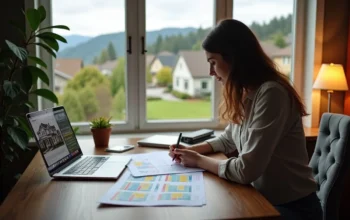
As of early 2026, mortgage rates have stabilized in the 6% range. While this is a far cry from the historic lows of 2020, it represents a “new normal” that is more sustainable for the broader economy. When you begin your journey, expect lenders to look deeper than just your credit score. They will scrutinize your employment stability and your “reserve funds”—the cash you have left over after the down payment and closing costs are paid.
The Closing Cost Surprise
Many buyers forget that the purchase price isn’t the total cost. You should expect to pay between 2% and 5% of the home’s purchase price in closing costs. This covers everything from loan origination fees and appraisals to title insurance and government recording fees. On a $500,000 home, that means having an extra $10,000 to $25,000 ready to go.
2. The Inspection Phase: Look Closer Than Ever
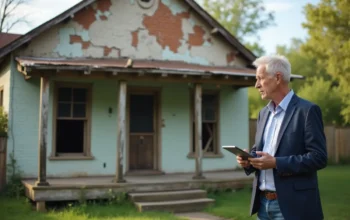
In a competitive market, it is tempting to waive inspections to make your offer stand out. Don’t. In 2026, with the rising costs of labor and materials, a “small” repair can quickly become a five-figure nightmare.
Structural and Mechanical Integrity
When touring a house, you aren’t just looking at the paint colors. You are looking for the “bones.”
- The Roof: A roof nearing the end of its 20-30 year lifespan is a massive negotiation point.
- The HVAC System: Replacing a furnace or AC unit is significantly more expensive than it was three years ago. If you are looking at a home in the Salt Lake Valley, ensure the systems are up to date. If they aren’t, you may eventually need to find reliable heating repair in Murray or surrounding areas to keep the home habitable during Utah’s biting winters.
- The Foundation: Look for horizontal cracks or doors that don’t latch, which could indicate settling.
Safety and Compliance
One aspect often overlooked by out-of-state buyers or first-timers is local compliance. For example, in many municipalities, ensuring your water system is protected from contamination is a legal requirement. You might find that a home needs a specific backflow repair in Salt Lake City to meet health department standards before the title can even be cleanly transferred or shortly after move-in.
3. The “Hidden” First-Year Expenses
Once the keys are in your hand, the spending doesn’t stop. Statistically, the first year of homeownership is the costliest. You are no longer calling a landlord when a pipe leaks; you are the facility manager.
Curb Appeal and Property Value
One of the most exciting parts of buying a home is making it your own. However, landscaping is often the most underestimated cost. Whether you are xeriscaping to save on water or building a lush backyard retreat, the cost of soil, mulch, and decorative stone adds up. For those in the Intermountain West, sourcing quality landscape materials in Utah is a primary task for the first spring in a new home.
The 1% Rule
A good rule of thumb is to expect to spend 1% of your home’s value annually on maintenance. If your home is worth $600,000, set aside $6,000 a year. This covers the “boring” stuff: gutter cleaning, filter changes, and the occasional plumbing hiccup.
The market today is characterized by “Intentional Buying.” Gone are the days of the 24-hour bidding war with fifty offers. Instead, buyers are taking more time to evaluate the long-term viability of a property.
Sustainability and Efficiency
Buyers are now prioritizing energy efficiency. Expect to see homes with solar readiness, high-grade insulation, and smart home ecosystems. These features might drive the sticker price up, but they significantly lower the monthly “cost of living” in the home.
Inventory and New Construction
While existing home inventory remains tight, new construction has stepped in to fill the gap. If you are buying a new build, expect a different set of hurdles: construction delays, “builder-grade” finishes that you might want to upgrade immediately, and the lack of established landscaping.
5. Comparison: Buying vs. Renting in 2026
To help you visualize the transition from tenant to homeowner, it is essential to consider how your daily responsibilities and financial commitments will shift. In 2026, the contrast between renting and buying is more pronounced than ever, particularly regarding long-term stability versus upfront flexibility.
When you rent, your monthly payment is generally fixed for the duration of your lease, and your upfront costs are relatively low, typically requiring only a security deposit and the first month’s rent. Maintenance is entirely the landlord’s burden, but this convenience comes at the cost of equity; you earn no return on your monthly payments, and your ability to customize the space is very limited.
In contrast, buying a home in today’s market involves a much higher initial investment, including a down payment and an additional 2% to 5% in closing costs. While your mortgage’s principal and interest (P&I) stay fixed, you must account for the fact that property taxes and insurance premiums can—and often do—rise over time. You gain 100% responsibility for all maintenance and repairs, yet this trade-off grants you the freedom to fully customize your property (within HOA or zoning laws) and allows you to build significant wealth as your equity grows through both principal paydown and market appreciation.
6. The Emotional Rollercoaster
Finally, expect to feel a wide range of emotions. Buying a home is a milestone, but it is also a massive debt obligation.
- The Search: You will likely fall in love with a house and lose it. This is normal.
- The Underwriting: This is the “quiet” period where your lender asks for what feels like every bank statement you’ve ever generated. It can be nerve-wracking, but it’s just the process working.
- The “Buyer’s Remorse”: Almost everyone feels a slight pang of “What have I done?” the night after the closing. This usually fades the moment you start hanging your first pictures on the wall.
Why Location Still Matters
While remote work has changed where people can live, your location’s infrastructure still dictates your quality of life. Access to reliable utilities, schools, and even local services like the National Association of Realtors (which provides excellent tools for tracking market value) will influence your home’s resale value a decade from now.
Conclusion: Is It Worth It?
Buying a home in 2026 requires more preparation than it did a decade ago. You need a solid budget, a stomach for some volatility, and a team of experts—from your Realtor to your local contractors—to guide you. However, despite the hurdles, the ability to build equity and create a space that is truly yours remains one of the best paths to long-term financial stability.
By knowing what to expect, you can move from a place of anxiety to a place of empowerment. You aren’t just buying a house; you are investing in your future.