In recent years, energy costs in the United States have been rising faster than the rate of inflation, making it difficult for many Americans to afford necessary utilities, including heating. This is partly because the furnaces in most homes are plagued with various minor inefficiencies that, collectively, can cause systems to operate at suboptimal levels.
Not only can an inefficient furnace lead to a higher monthly energy bill, but it can also cause the HVAC system to fail to heat the home effectively. During the cold winter months, this can leave your home both uncomfortable and potentially unsafe.
Below, we’ve offered a few of our best tips for improving furnace efficiency. By maximizing the output of your equipment relative to its energy input, you’ll be able to reduce your heating costs while also enhancing overall performance.
Change Filters Regularly
Each furnace has a built-in filtration system that is designed to collect dust, soot, and other contaminants from the system before they enter your indoor atmosphere. Furnace filters are made from a porous, permeable material such as paper or fiberglass. They trap airborne particles while still allowing air molecules to flow through the system. This ensures that the air in your home remains clean and safe while your furnace is in operation. HEPA filters are the highest quality option and can trap particles as small as 0.3 microns.
Even the best filters don’t last forever, however. Over time, the pollutants stopped by the filter accumulate in the material, ultimately restricting the flow of air and reducing the efficiency of the system.
To ensure your furnace continues to operate at maximum efficiency, you should replace the filters at least once every 90 days or so. To do so, shut the power to the system off and remove the panel on the back of the unit to access the filtration system. Swap out the filters to allow the air to once again flow unimpeded through your home.
Ensure your replacement filters are correctly sized for your particular furnace. The old filter will have a label listing its size in inches to use as a guide.
Optimize Airflow
A key factor in optimizing furnace efficiency is ensuring that the heated air has a clear path throughout your home, free of obstructions that may block its flow and force your machinery to work harder to maintain consistent temperature levels. A piece of furniture located in front of a vent, for example, will not only block airflow, but also absorb heat energy from the furnace, preventing it from reaching the rest of the home (not to mention also potentially damaging the furniture).
To allow the heated air from your HVAC system to flow freely throughout your home, make sure there is nothing blocking your vents, doorways, or other avenues of airflow. Move furniture and other obstructions as needed. You should also make sure that all vents are kept open in areas that require heating.
Seal Air Leaks
A great deal of heat energy in homes is lost due to air leaks. When warm air can escape to the outside and cold air can seep in, the furnace is forced to work double time to counteract the cooling effect this has on your home. To prevent the dramatic increase in energy costs that will result from this overtaxing of your HVAC system, make sure you seal any potential air leaks you encounter.
Regularly check windows and doors for drafts or other signs of cold air entering the home. Plug any leaks with store-bought materials such as foam rubber tape. If possible, check the insulation in your attic as well. Since heat rises, poor insulation there can allow heat energy to radiate out through the roof of the home.
Upgrade Your Thermostat
The thermostat is the brain of your HVAC system and a major contributor to its overall efficiency. It’s the element that relays the desired temperature settings of the homeowner to the system itself, and it determines when the furnace turns on and off. A faulty thermostat practically guarantees your furnace won’t operate efficiently. However, even a fully operational one that is outdated and obsolete will fail to provide maximum energy efficiency.
If it’s within your budget, consider upgrading to an energy-efficient smart thermostat. These devices have a variety of modern features that can reduce the overall energy usage of your system. For example, they have the ability to “learn” your habits and schedule so they can regularly lower the heat output at times when you need it less, such as after bedtime. This feature, combined with others, contributes a great deal to energy savings for homeowners.
Schedule a Professional Inspection
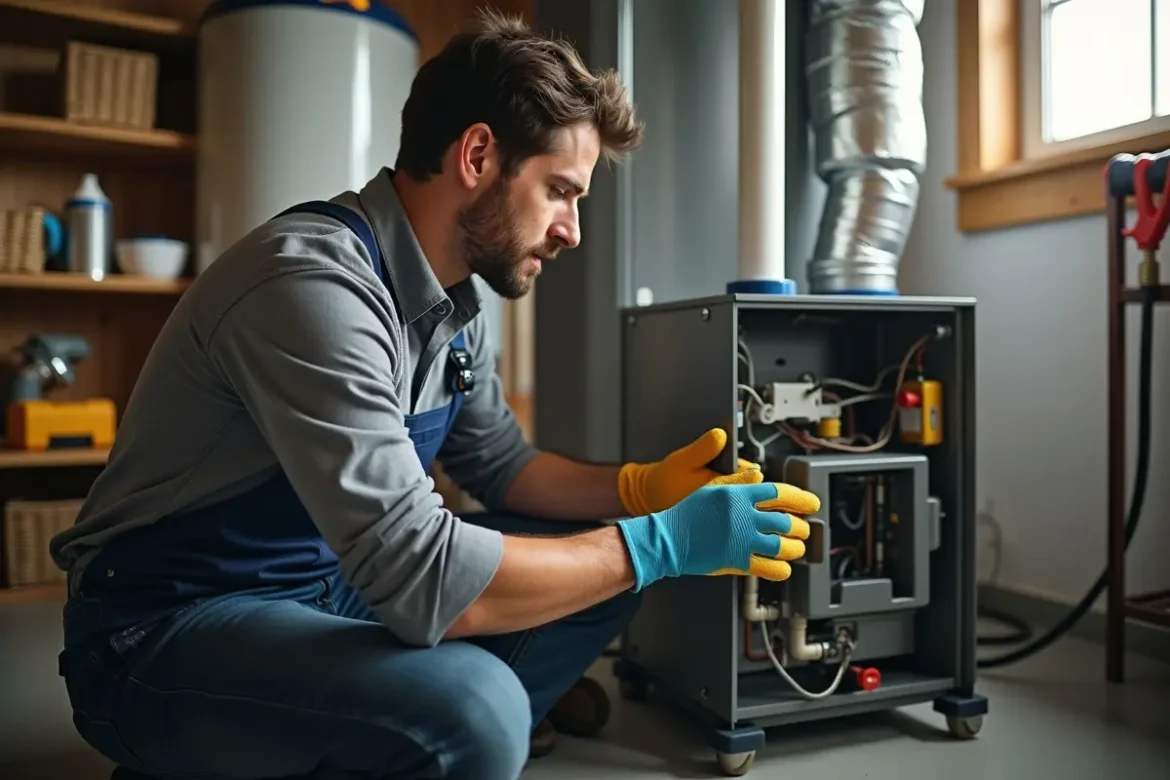
Many of the inefficiencies common to the various types of furnaces are only diagnosable and repairable by an HVAC professional who specializes in that specific type of equipment. Many factors, such as loose wires, rusted fan blades, and dirty fuel lines, require a trained eye to discover. For this reason, your furnace is unlikely to realize its full potential without occasional professional intervention.
Start with an inspection. When you contact an HVAC professional from a reputable company, they will work their way down a checklist to make sure each element of your furnace is working correctly. If they notice any problems, they will make repair recommendations.
Eventually, your HVAC system will require a little more care. That’s why you should invest in regular maintenance to prevent more catastrophic issues. Look for companies that carry the parts your HVAC system needs and whose contractors are NATE certified, such as All Weather Heating & Cooling in Ohio. Ask your contractor to make repairs as needed to ensure your furnace operates at its safest and most efficient level.