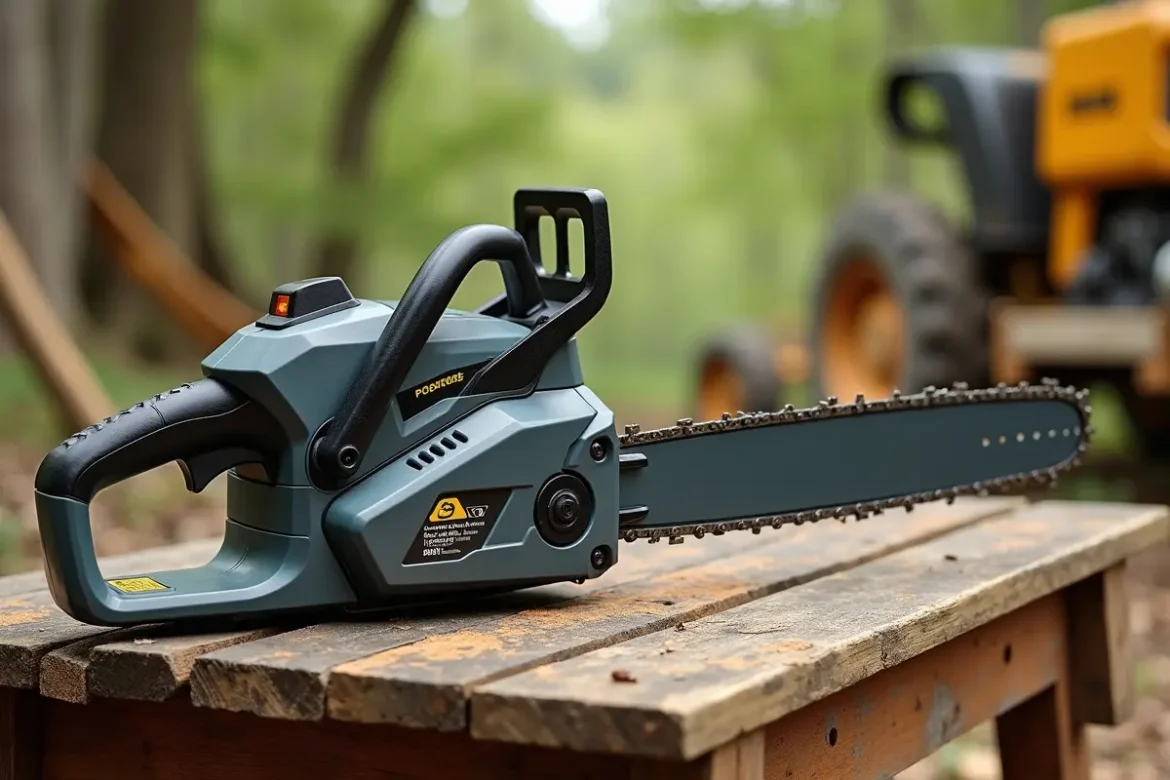
A battery chainsaw offers the ease of cordless power and quick setup, but many wonder how long it can keep cutting before the battery runs flat. Most battery chainsaws run between 20 minutes and 2 hours on a single charge, depending on the battery size, cutting load, and wood type. That’s enough time for most yard projects or trimming sessions, but several factors decide which end of that range you’ll experience.
Battery capacity, voltage, and motor efficiency all play a role, yet how someone uses the tool makes an equal difference. Cutting thick, dense logs drains power faster than pruning soft branches. Clean maintenance habits, such as keeping the chain sharp and the bar oiled, help each charge last longer and extend the tool’s life overall.
Understanding what affects runtime allows anyone to plan work sessions better and avoid unexpected stops. The next sections explain these factors and how simple habits can keep a battery chainsaw performing efficiently for years.
Key Factors That Determine Battery Chainsaw Runtime
Battery chainsaw runtime depends on several specific factors, such as battery size, voltage, type of wood cut, motor design, and outdoor temperature. These details influence not only how long the saw operates per charge but also how efficiently it performs each cut.
Battery Capacity and Ah Ratings
Battery capacity, measured in amp-hours (Ah), directly affects runtime. A higher Ah rating means the battery can store more power and supply it for a longer period. For example, a 5Ah battery typically runs longer than a 2.5Ah one under the same workload. Most modern cordless chainsaws use lithium-ion batteries, which maintain steady voltage output until nearly empty.
Users who often cut thick branches or hardwood benefit from higher Ah ratings. A larger battery adds some weight, but it reduces downtime and the need for frequent recharging. To explore different models that match various power needs, users can find battery chainsaws here suited for home or farm use.
Battery Type and Voltage
Battery voltage affects cutting strength and duration. Lower-voltage units, such as 18V or 20V, work well for pruning or trimming tasks. In contrast, 40V and 60V systems support longer run times and greater torque, suitable for cutting hardwood or larger logs. Higher voltage allows the motor to run stronger and longer per charge.
However, more voltage also means larger, heavier batteries. That may add hand fatigue during long use, so balancing power and comfort matters. Consistent brand-quality cells last longer and charge faster, which helps maintain good performance over several years. In general, a balanced mid-range voltage offers enough power for most yard work without heavy strain on the user.
Cutting Task Intensity and Wood Type
Runtime also depends on what the chainsaw cuts. Softer woods like pine or cedar require less power, allowing the battery to last longer. Hardwoods such as oak or eucalyptus demand more force and drain charge faster. Frequent full-depth cuts or wide-diameter logs shorten total use time between charges.
Keeping the chain sharp plays a major part in preserving runtime. A dull chain makes the motor work harder, which uses more current and heats the system. Light, steady pressure during cutting helps too. Overforcing the saw increases load and depletes the battery faster than measured, even with strokes through the wood.
Motor Technology and Efficiency
Motor design affects how well the chainsaw converts battery power into usable cutting energy. Brushless motors, now common in many cordless machines, waste less electricity as heat and move more energy directly into cutting. This design lowers friction inside the motor and extends both runtime and overall lifespan.
A well-engineered control system also helps by adjusting power use during lighter cuts. That allows the tool to run longer without sacrificing pace or reliability. Regular cleaning around the air vents prevents overheating, which can cause the battery to lose performance faster. Efficiency across the drivetrain often makes the difference between brief and extended work periods.
Environmental Conditions and Temperatures
Ambient temperature influences battery performance more than many users realise. Lithium-ion batteries work best between roughly 10°C and 30°C. Cold conditions reduce the chemical efficiency inside the cells, which can lower runtime by up to half. High heat can also damage cells, shortening long-term capacity.
Storing batteries in a dry, shaded place helps preserve charge cycles. Allowing a hot pack to cool before charging maintains cell life and prevents premature wear. Moisture exposure may corrode contacts, so keeping both the tool and the battery clean after use is important. Stable, moderate conditions help every charge last closer to its rated potential.
Maximising and Maintaining Battery Chainsaw Performance
Battery-powered chainsaws can deliver stable results for many years if the user follows proper care habits. Battery life, charging routine, and storage all influence how long the saw performs at full power. Chain upkeep and tool maintenance also prevent strain on the motor and battery.
Impact of Charging Habits and Maintenance
Good charging habits decide how well a battery lasts over time. Users should use the charger that matches the model’s voltage and capacity. Fast chargers save time but create more heat, which can shorten battery lifespan. It helps to let the battery cool before charging again after long cutting sessions.
Avoid leaving the battery connected after it reaches full charge. Overcharging stresses lithium-ion cells and causes them to degrade early. A partial charge between 40% and 80% is ideal for most modern battery packs.
Regular battery maintenance also matters. Keeping the battery contacts clean helps maintain a good electrical connection. Users should inspect the charger cable, power source, and connection ports for dirt or corrosion. A well-maintained setup helps the chainsaw perform efficiently during each use.
Proper Storage and Battery Longevity
Correct storage prevents premature wear on both the battery and the saw. Batteries should stay in a cool, dry area away from direct sunlight or moisture. Extreme heat or cold damages internal cells and reduces overall charge capacity.
It is best to store a battery with a partial charge of about half its total capacity. Long-term storage at full or empty charge can weaken performance. Users should remove the battery from the chainsaw before storing to prevent slow power drain.
Chain maintenance also affects battery health. A dull or poorly tensioned chain forces the motor to draw more current. Keeping the chain sharp, properly tensioned, and lubricated reduces workload and extends runtime. Simple habits like cleaning sawdust off vents and bar oil pathways further help protect internal parts.
Comparing Battery Chainsaw Runtime to Petrol Models
Battery chainsaws differ from petrol models in both runtime and upkeep. A petrol chainsaw generally cuts longer in continuous use, but it requires fuel, oil changes, and regular engine care. In contrast, a cordless model provides shorter operation per charge yet far less maintenance.
Modern high-capacity batteries and efficient brushless motors allow advanced cordless models to perform well for typical yard or farm tasks. For instance, some higher-end units with larger batteries can offer up to two hours of cutting under moderate load.
Battery-operated tools also produce no direct emissions and create less noise than petrol types. Users avoid dealing with fumes, fuel mixing, and engine tuning. This makes battery-powered chainsaws convenient for residential work and short to medium cutting sessions where mobility and clean operation matter most.
Conclusion
Battery chainsaws provide practical power for short and medium tasks. Most models deliver around 30 to 90 minutes per charge, depending on the battery size, wood thickness, and how hard the tool works. Larger batteries often give longer use, while cold or heavy conditions shorten runtimes.
A well-kept chain and proper storage habits help maintain consistent performance. Users who clean, sharpen, and charge correctly often notice better results and fewer mid-job pauses.
For more freedom, some users keep a spare battery ready. This simple step allows steady progress without long waits between charges.
In the end, battery chainsaws suit anyone who values quiet operation, easy start-up, and low upkeep. With smart care and the right setup, they can handle most home or garden cutting jobs with dependable results.