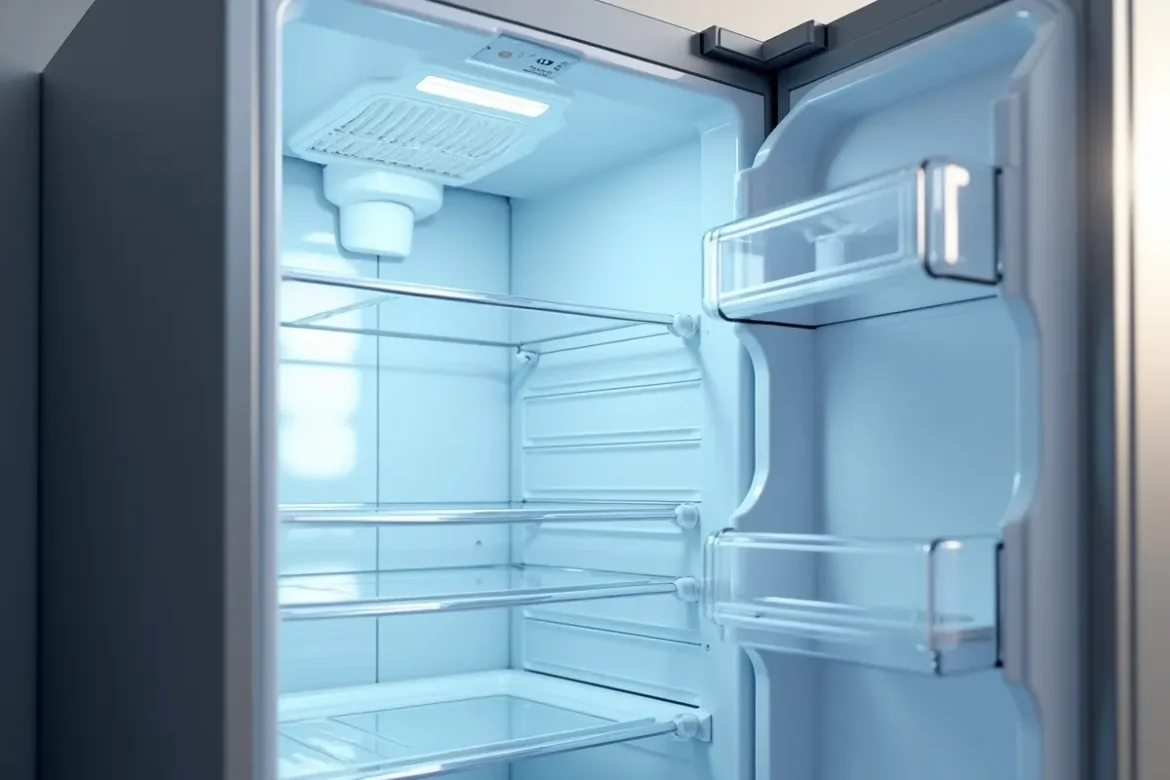
When people compare fridges, power is often the first thing they think about. Bigger compressors. Stronger cooling. Faster chill times. It’s an easy assumption to make: more power must mean better performance.
In reality, cooling performance has far less to do with raw power than most people realise. Some fridges work harder than they need to, while others maintain stable temperatures with surprisingly little effort. The difference usually comes down to design, not strength — which is why many households end up happier long term with premium quality fridges that prioritise control and consistency over brute force.
Cooling well isn’t about doing more. It’s about doing things properly.
Power Without Control Creates Inconsistency
A powerful cooling system can lower temperatures quickly, but speed alone doesn’t equal good performance. In fact, aggressive cooling often creates temperature swings that stress both food and the appliance itself.
When a fridge blasts cold air unevenly, some areas overcool while others struggle to stay cold. Sensors detect these fluctuations and trigger more frequent cycles, which increases energy use and wear.
True cooling performance is measured by stability — not how fast the temperature drops, but how reliably it stays where it should.
Even Cooling Matters More Than Cold Air
Food doesn’t need extreme cold. It needs consistent conditions.
Uneven cooling leads to common frustrations: vegetables freezing in drawers, dairy spoiling early, condensation forming on shelves. These issues aren’t signs of weak cooling — they’re signs of poor air distribution.
Well-designed fridges guide cold air gently and evenly across compartments. This prevents hot spots and reduces the need for constant adjustments, allowing the system to work less while achieving better results.
Insulation Does More Than Most People Think
Insulation plays a bigger role in cooling performance than power ever will. A fridge with excellent insulation doesn’t need to fight incoming heat constantly.
Thick, high-quality insulation slows heat transfer from the surrounding room. That means fewer compressor cycles, steadier temperatures, and quieter operation over time.
When insulation is weak, the cooling system compensates by working harder. This masks the problem initially, but it shows up later as higher energy use and inconsistent performance.
Airflow Design Shapes Everyday Performance
Airflow isn’t just about vents — it’s about how cold air moves once it leaves them.
Thoughtful internal layouts allow air to circulate freely around shelves, drawers, and stored items. Poor layouts trap cold air in some areas and starve others.
Over time, inefficient airflow forces the fridge to correct itself constantly. Each correction costs energy and adds strain, reducing long-term performance.
Good airflow design makes cooling feel effortless because it is.
Sensors and Controls Matter More Than Muscle
Cooling systems rely on sensors to decide when to turn on and off. If those sensors are inaccurate or poorly positioned, even a powerful system will behave inefficiently.
Responsive controls paired with accurate sensors allow the fridge to make small, precise adjustments instead of large corrections. This keeps temperatures stable and reduces unnecessary cycling.
In many cases, smarter control systems outperform stronger hardware simply by avoiding waste.
Door Seals Are Silent Contributors
A fridge can have an excellent cooling system and still perform poorly if cold air escapes.
Door seals are one of the most overlooked components in cooling performance. Over time, low-quality seals harden, warp, or loosen, allowing warm air to creep in.
This triggers more frequent cooling cycles, even though nothing inside the fridge has changed. Good seals maintain pressure and flexibility for years, protecting cooling efficiency quietly and continuously.
Real Homes Aren’t Ideal Conditions
Cooling performance isn’t tested in perfect environments. It’s tested in busy kitchens with frequent door openings, warm groceries being added, and uneven loading.
Fridges designed with real-world behaviour in mind recover more efficiently after disruptions. They stabilise quickly without overcompensating.
Systems that rely on power alone struggle under these conditions, cycling aggressively and wearing down faster as a result.
Power Can Increase Wear If Poorly Matched
More power isn’t automatically bad — but mismatched power is.
When compressors are oversized relative to insulation and airflow design, they tend to short-cycle. Frequent starts and stops increase mechanical wear and reduce efficiency over time.
Balanced systems match cooling capacity to the appliance’s ability to retain and distribute cold. This balance is what allows some fridges to perform consistently for many years without feeling strained.
Why Quieter Fridges Often Perform Better
Noise is often a clue. Fridges that are constantly audible are usually working harder than necessary.
Quiet operation often indicates longer, smoother cooling cycles and better thermal control. These systems don’t need to rush or correct aggressively because conditions remain stable.
Over time, quieter fridges tend to maintain performance better because their components experience less stress.
Long-Term Cooling Is About Consistency
Cooling performance isn’t proven in the first week. It’s proven after years of daily use.
Fridges that age well maintain even temperatures, predictable behaviour, and low energy use long after installation. Those that rely on power alone often show signs of fatigue early — louder operation, uneven cooling, and rising costs.
Design decisions made at the start determine which path an appliance follows.
What to Look for Beyond Power
When assessing cooling performance, consider:
- How evenly the fridge cools across compartments
- How often it cycles during normal use
- How quickly it recovers after door openings
- Whether temperature remains stable over time
These indicators matter far more than raw power ratings.
Cooling Well Is About Working Smarter
The best cooling systems don’t feel impressive. They feel invisible.
They quietly maintain the right conditions without demanding attention or effort. They rely on insulation, airflow, control, and balance rather than force.
In the end, cooling performance isn’t about how strong a fridge is. It’s about how intelligently it’s designed to do less — and still get it right.